Walmart warehouse monitoring tied to injuries, anxiety and debt
A recent brief found intense tech monitoring and quota pressure in Walmart warehouses, contributing to injuries, anxiety and financial strain for workers.
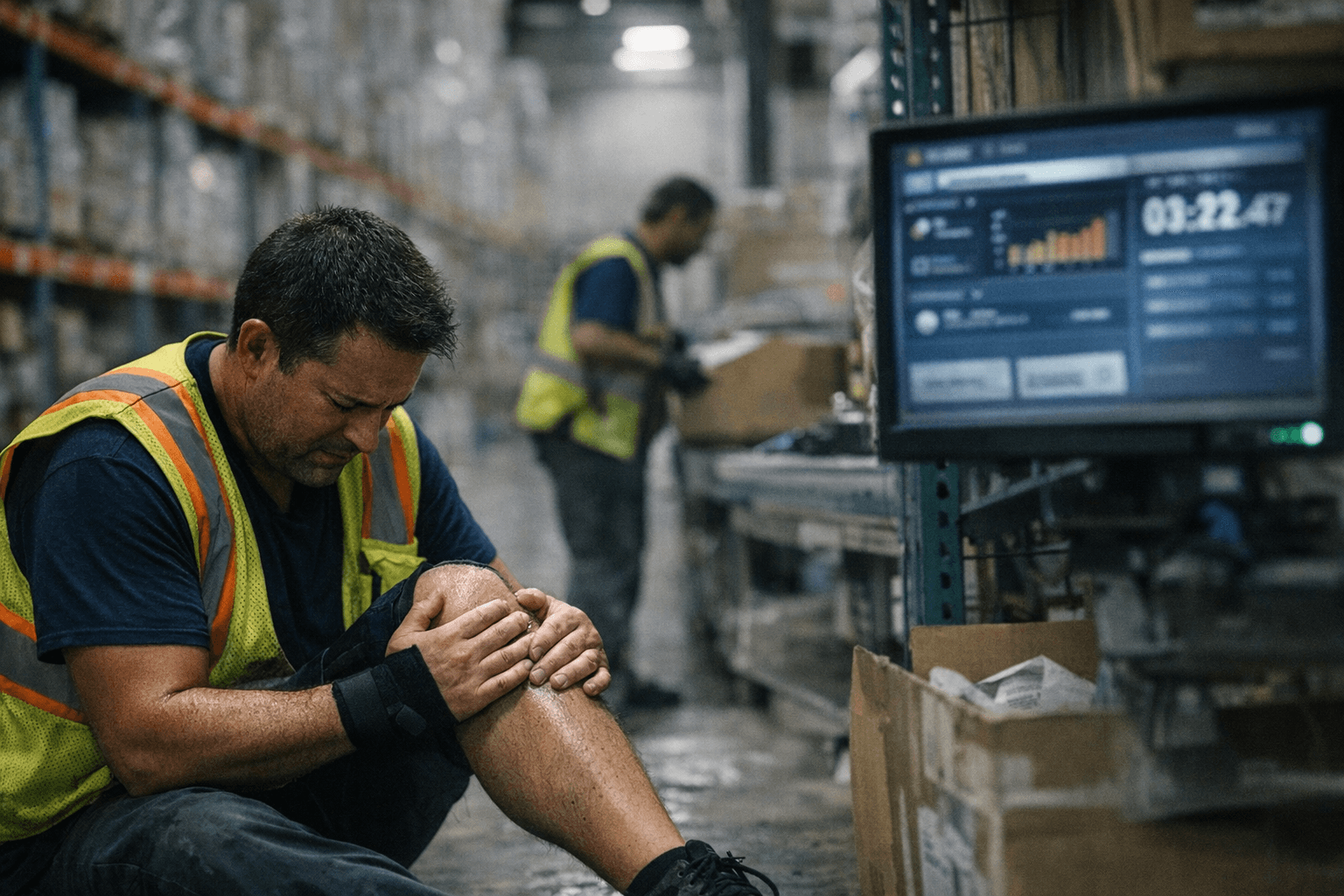
A new brief drawing on surveys by the Center for Urban Economic Development found high levels of productivity monitoring and quota pressure inside large distribution operations, with sharp consequences for worker safety, mental health and finances. The analysis highlights how technology-driven measurement and comparisons on the warehouse floor are shaping daily life for Walmart warehouse staff.
Among Walmart warehouse workers surveyed, roughly two-thirds (67%) said their work was measured in detail by technology “always or most of the time.” About half reported that their pace is compared with coworkers, and approximately two-thirds said they at least sometimes felt anxious about hitting quotas. Workers also reported material harms tied to the monitoring regime: injuries they attributed to the pace of work, restrictions on taking breaks, and broader mental-health and economic stresses. Nearly 48% of those surveyed said they had difficulty paying bills.
The survey data were supplemented with interviews in which warehouse staff described pervasive surveillance, limits on breaks and incidents of dehydration. Those qualitative accounts paint a picture of a production-line tempo translated into warehousing: constant tracking of pick rates and movement, supervisors and systems enforcing relentless pacing, and workers pressed to prioritize productivity targets over basic needs on shift.
Advocacy groups used the findings to press for greater transparency around quotas and for legal protections such as the Warehouse Worker Protection Act. Those calls aim to make measurement systems more visible to workers and regulators, to set guardrails around how quotas are set and enforced, and to protect basic break and safety practices on the floor.
For Walmart employees, the combination of continuous measurement and peer comparisons can affect workplace dynamics as much as individual well-being. Monitoring that ranks or compares workers can undermine teamwork, intensify competition on the floor, and shift supervisory attention toward metrics rather than safety. The strain of meeting algorithmically managed quotas can also drive higher turnover and absenteeism, and raises potential legal and reputational risks for employers if injuries and break denials persist.
The brief’s findings add momentum to an ongoing debate over how companies deploy tracking technology in distribution centers and what responsibilities follow. For workers, the immediate implications are practical: scrutiny of quota-setting, pressure to keep pace, and financial pressure that compounds health and safety concerns. For policymakers and firms, the report fuels calls for clearer rules on quota transparency and enforceable protections that keep pace with the growing use of workplace surveillance.
This article was produced by Prism’s automated news system from verified source data, official records, and press releases, then run through automated quality and moderation checks before publishing. The system is built and supervised by the people who set the standards it runs under. Read our full AI policy.
Know something we missed? Have a correction or additional information?
Submit a Tip