War Drives U.S. Inflation Higher as Gas Prices Surge Above $4.50
Gasoline topped $4.50 a gallon and April inflation hit 3.8%, showing the Iran war has moved from oil markets into household budgets.
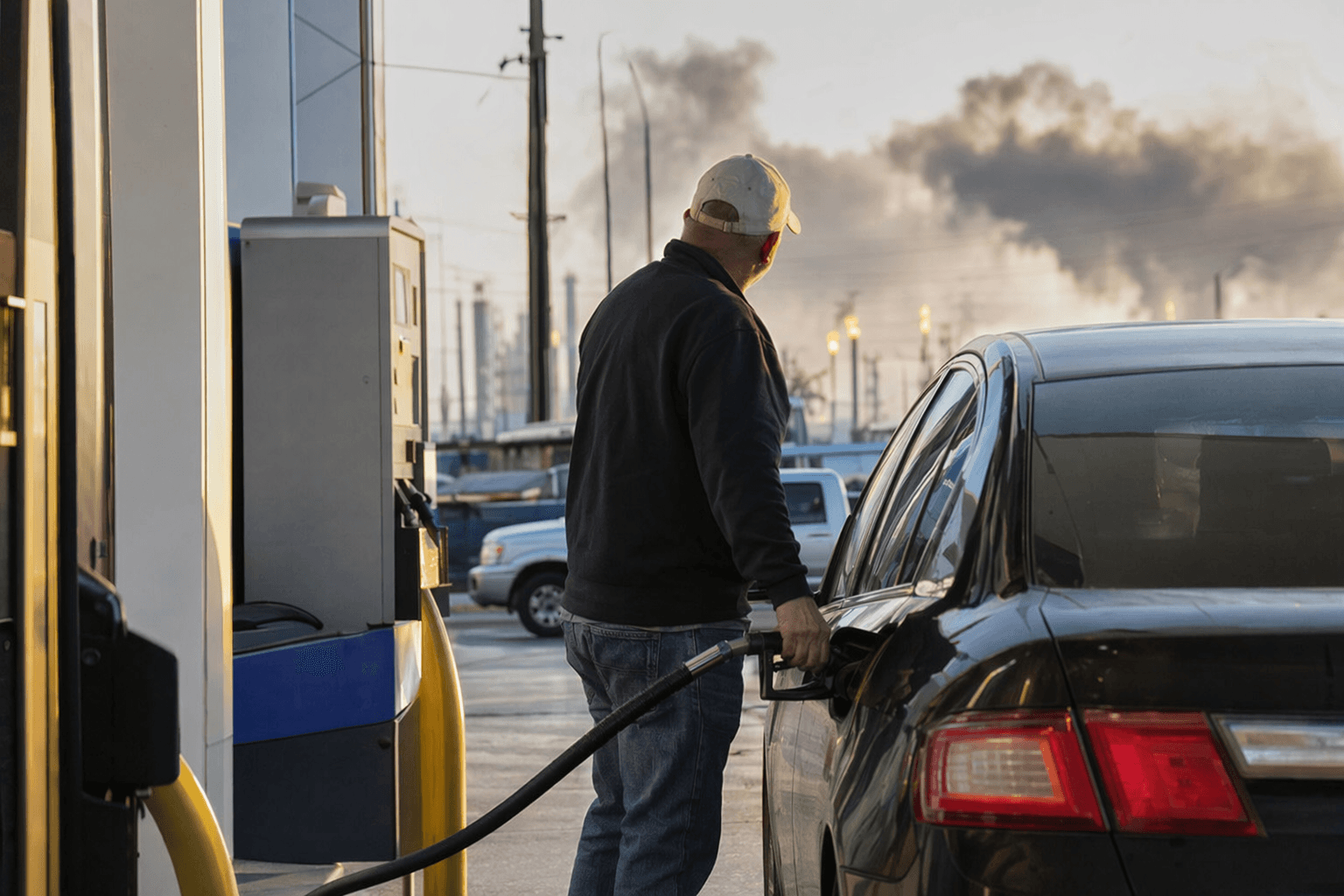
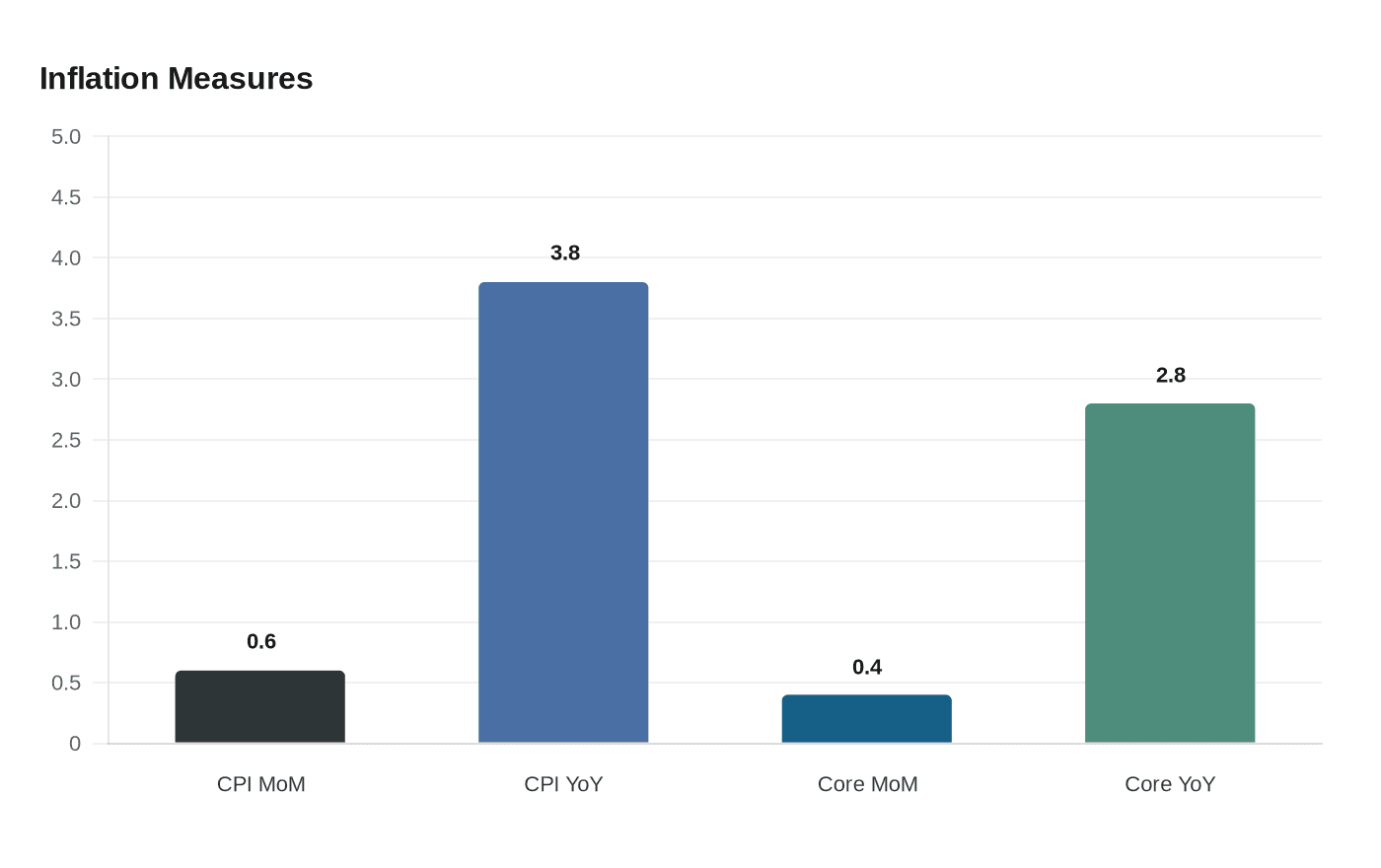
The most immediate cost of the U.S.-Iran standoff is now showing up at the pump, where gasoline climbed above $4.50 a gallon in early May and turned the conflict into a direct hit on household budgets. That surge in fuel costs has begun to feed broader inflation, with the Consumer Price Index rising 0.6% in April and 3.8% over the past 12 months, the fastest annual pace since May 2023.
The April reading came in slightly hotter than economists expected, reinforcing the sense that the war’s energy shock is not just a Wall Street problem. Core CPI, which strips out food and energy, rose 0.4% in April and 2.8% from a year earlier, a sign that the inflation impulse has not yet spread through the entire economy but is moving beyond crude oil itself into gasoline, airfare and other travel-related prices. The data left the Federal Reserve with little reason to move quickly on rate cuts.
President Donald Trump intensified market nerves when he said the cease-fire was on “life support,” and oil prices reacted immediately. Reuters reported that Brent crude settled at $104.21 a barrel and West Texas Intermediate at $98.07 after those remarks, while U.S. crude futures had jumped as much as 3% during renewed hostilities. CNBC said Brent had risen more than 55% since the start of the war and briefly neared $120 a barrel, one of the sharpest monthly oil spikes on record.
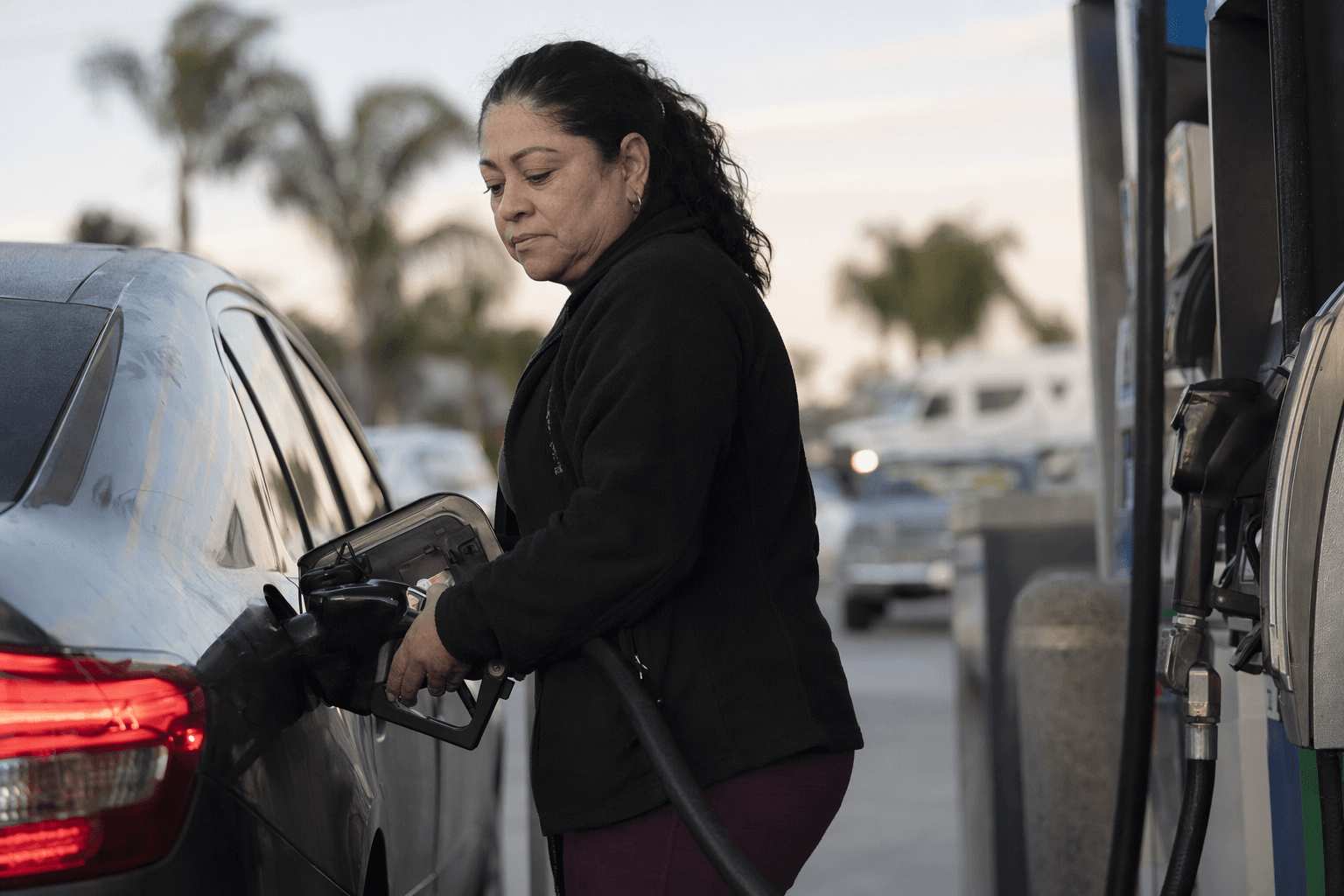
For consumers, the strain is showing up in one of the clearest barometers of inflation: gasoline. AAA data put the national average above $4.50 per gallon in early May, about 50% higher than before the war began on February 28. One Reuters report said the average had risen $1.52 a gallon since fighting started, a jump large enough to alter commuting costs, shipping expenses and airline pricing across the country.
Officials and economists are increasingly treating the conflict as a possible policy problem, not just a geopolitical one. Neel Kashkari of the Federal Reserve Bank of Minneapolis has warned that the longer the war continues, the greater the risks of higher inflation and economic damage, and that a persistent oil shock could even force the Fed to consider rate hikes rather than cuts. The U.S. Energy Information Administration said on April 7 that a closure of the Strait of Hormuz and related production outages were key drivers in its energy outlook, underscoring how much of the global oil market remains exposed to events in the Persian Gulf.
Know something we missed? Have a correction or additional information?
Submit a Tip