US inflation hits highest since 2023 as Iran war drives energy costs
Gasoline near $4.50 a gallon pushed April inflation to 3.8%, turning the Iran conflict into a direct threat to U.S. household budgets.

Americans are feeling the Iran war first at the gas pump, where average prices have climbed to about $4.50 a gallon, up $1.52 since Feb. 28. That jump helped drive April consumer inflation to its highest annual pace since May 2023, turning an overseas energy shock into a more immediate squeeze on household budgets.
The Consumer Price Index for All Urban Consumers rose 0.6% in April after a 0.9% increase in March, leaving prices 3.8% higher than a year earlier, the U.S. Bureau of Labor Statistics said. Energy prices rose 3.8% in the month and accounted for more than 40% of the all-items increase. Shelter rose 0.6%, while core CPI, which strips out food and energy, increased 0.4% in April and 2.8% over the past 12 months.
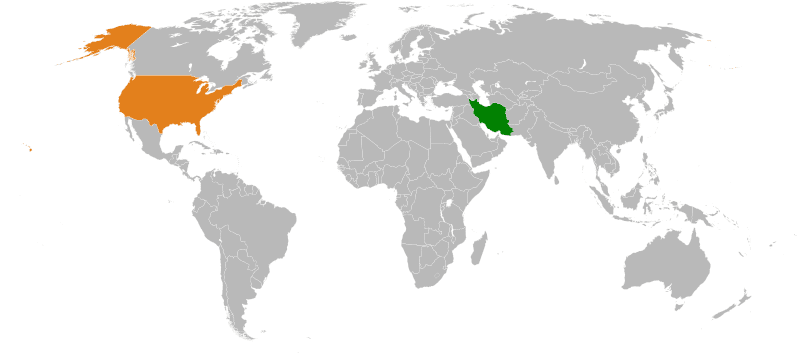
The conflict has already rippled through oil markets. Crude shot above $100 a barrel in March after strikes against Iran, then eased somewhat after a ceasefire in early April. The Strait of Hormuz, which carries about one-fifth of global oil supply, remains the key chokepoint that makes traders nervous about more spillover into freight, groceries, airfares, furniture and other transported goods. Brian Bethune, an economist at Boston College, said consumers who had expected relief on prices were being "pulled down below the surface."
The inflation report complicates the Federal Reserve’s path as Jerome Powell and his colleagues weigh whether the latest burst in energy costs will bleed into broader prices. The Fed left interest rates unchanged on April 29, holding the interest rate paid on reserve balances at 3.65%, and the April data make near-term cuts harder to justify. Economists had expected annual inflation to come in around 3.7%, so the 3.8% reading, while close, still signals that price pressure has not faded.
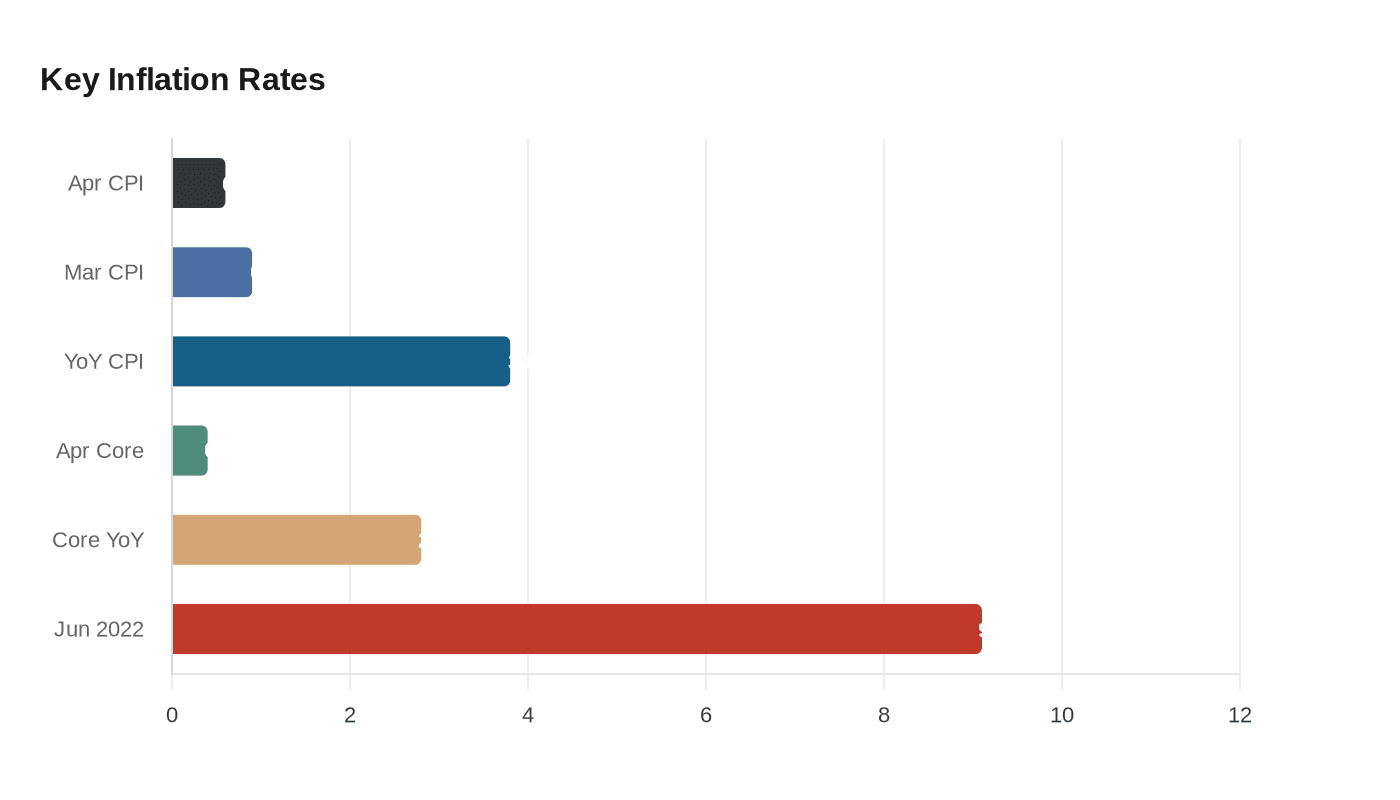
The broader backdrop is fragile. Inflation has fallen sharply from its 9.1% peak in June 2022, but it remains above the Fed’s 2% goal, and consumer sentiment in the University of Michigan survey sank in May to its lowest level since the poll began in 1978. Joseph Brusuelas of RSM said WTI crude above $125 a barrel would become more of an economic problem, a warning that could shape both Wall Street forecasts and White House messaging if the energy shock continues to spread.
This article was produced by Prism’s automated news system from verified source data, official records, and press releases, then run through automated quality and moderation checks before publishing. The system is built and supervised by the people who set the standards it runs under. Read our full AI policy.
Did this article answer your question?
%3Amax_bytes(150000)%3Astrip_icc()%2FCertificate-of-deposit-2301f2164ceb4e91b100cb92aa6f868a.jpg&w=1920&q=75)