Gas prices drive inflation to nearly three-year high in April
Gasoline surged to $4.55 a gallon in early May, helping lift April inflation to 3.8%, the fastest annual pace since February 2023.
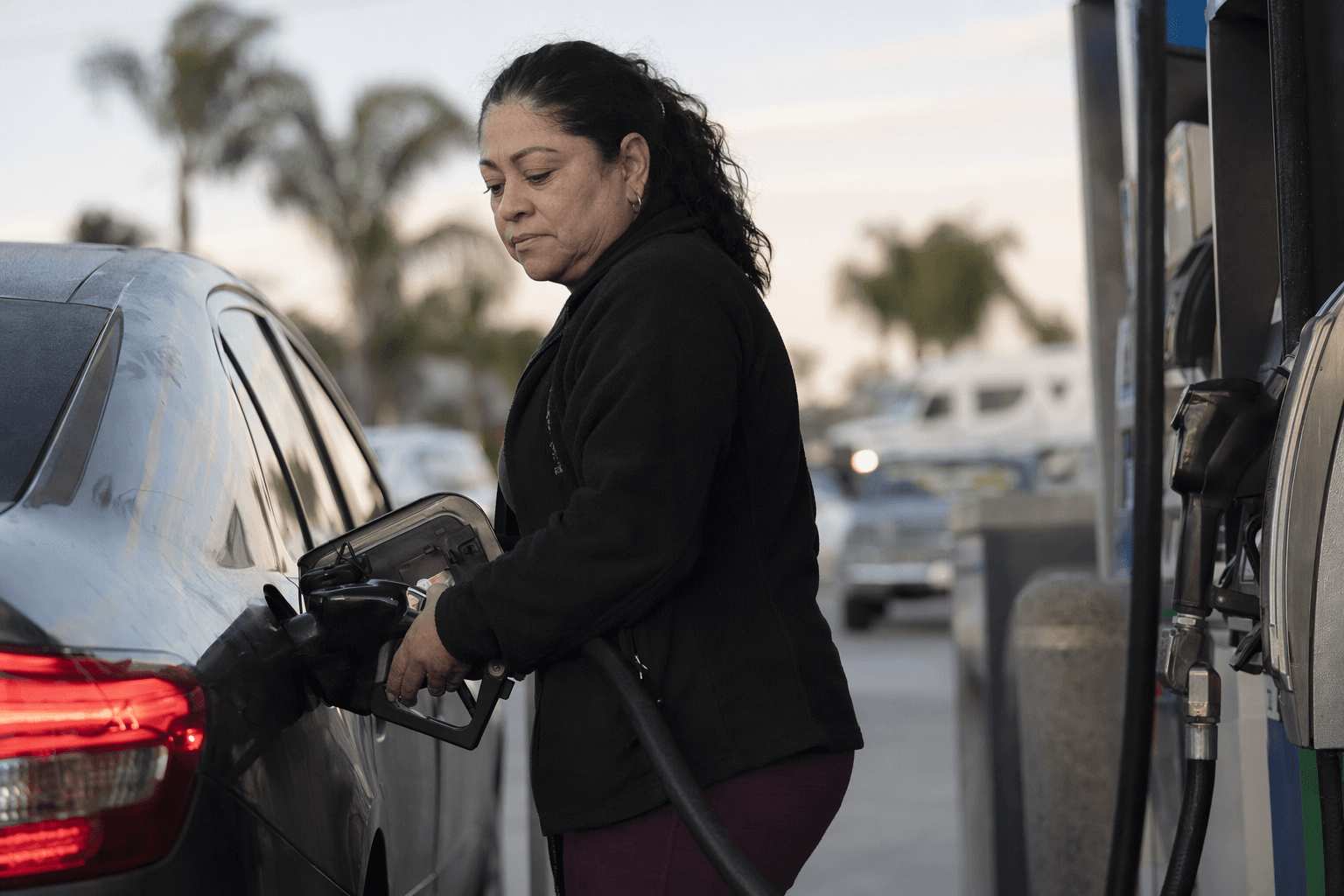
Higher gasoline prices pushed consumer inflation to a nearly three-year high in April, squeezing commuters first and then spreading into the cost of food, travel and everyday goods. The Consumer Price Index for All Urban Consumers rose 0.6% for the month after a 0.9% increase in March, and prices were up 3.8% from a year earlier, the biggest 12-month gain since February 2023.
Energy did much of the damage. The energy index climbed 3.8% in April and 17.9% over the past 12 months, with gasoline up 5.4% in the month and 28.4% over the year. The U.S. Bureau of Labor Statistics said energy accounted for more than 40% of the monthly increase in the overall index, underscoring how quickly fuel costs can move the headline number. For households, that means the pain starts at the pump, but it does not end there. Higher gasoline prices ripple into commuting bills, delivery charges and travel costs, especially when airlines and trucking firms face heavier fuel expenses.
AAA said the national average price for regular gasoline crossed $4 a gallon on April 2 for the first time since August 2022, then rose to $4.16 by April 9 and reached $4.55 by May 7, its highest level since 2022. AAA tied the jump to crude oil prices that surged above $100 a barrel amid conflict in the Middle East and a closed Strait of Hormuz. That makes gasoline the most likely part of this inflation burst to fade if oil markets calm, but it also means relief depends on events far beyond the gas station.
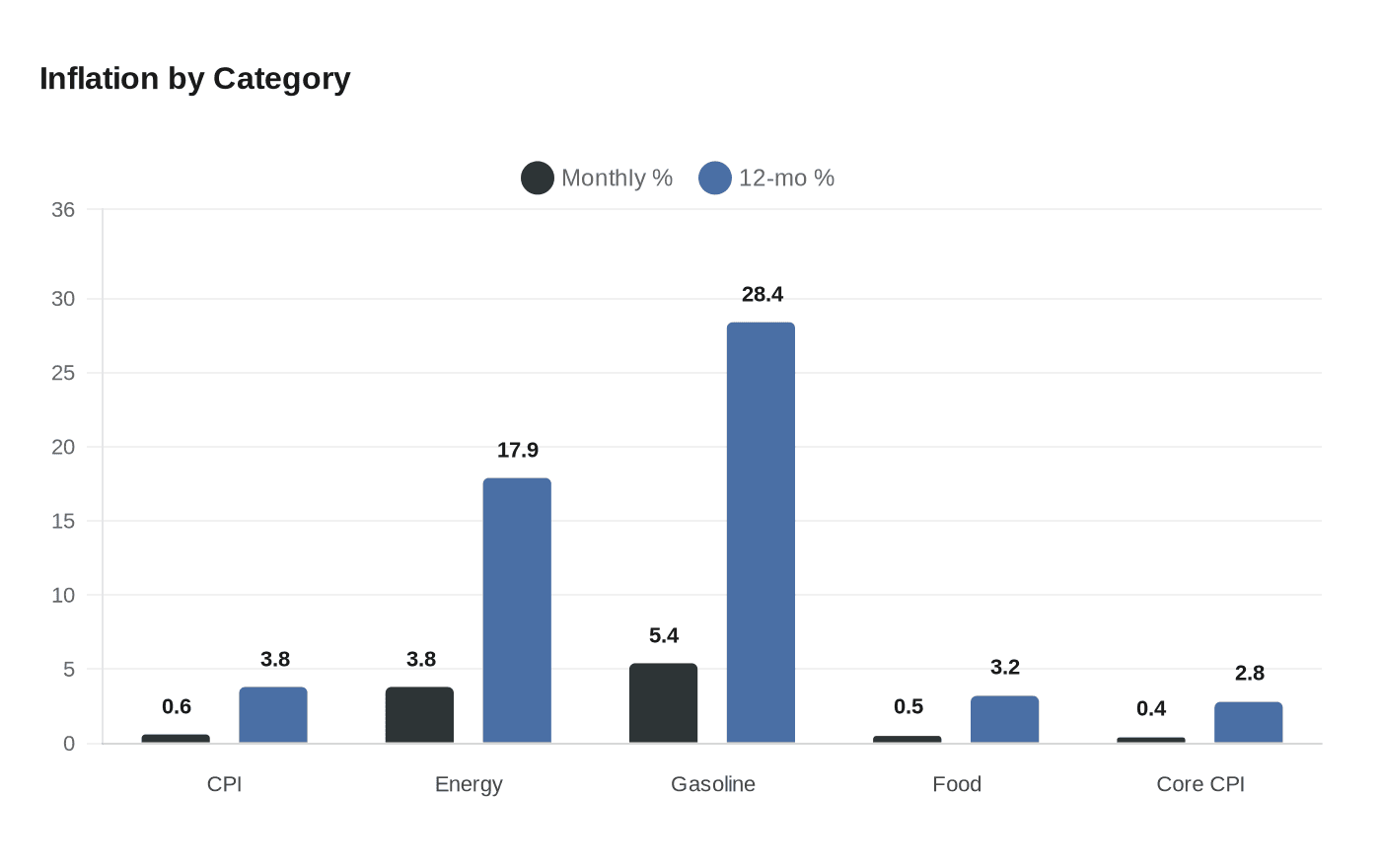
Shelter, by contrast, remains the sticky part of the story. Housing costs rose 0.6% in April and keep pressure on monthly budgets because they tend to move more slowly than fuel prices. Food also climbed 0.5% for the month and 3.2% over the year, leaving groceries another persistent strain even as fuel spikes attract the most attention. The core CPI, which strips out food and energy, increased 0.4% in April and 2.8% over the year, showing that inflation pressure was not limited to gasoline alone.
The pattern is familiar: gasoline can flare quickly and cool quickly, while shelter lingers and food rarely gives consumers much room to breathe. April’s data show that even when the headline rate is driven by energy, households feel the squeeze in several places at once, from the daily commute to the weekly grocery run and the summer travel budget.
This article was produced by Prism’s automated news system from verified source data, official records, and press releases, then run through automated quality and moderation checks before publishing. The system is built and supervised by the people who set the standards it runs under. Read our full AI policy.
Did this article answer your question?

