War, protests deepen Iran’s economic crisis as inflation soars
Internet blackouts, 50.6% inflation and a rial above 1.5 million to the dollar turned war into a daily struggle for Iranian households.
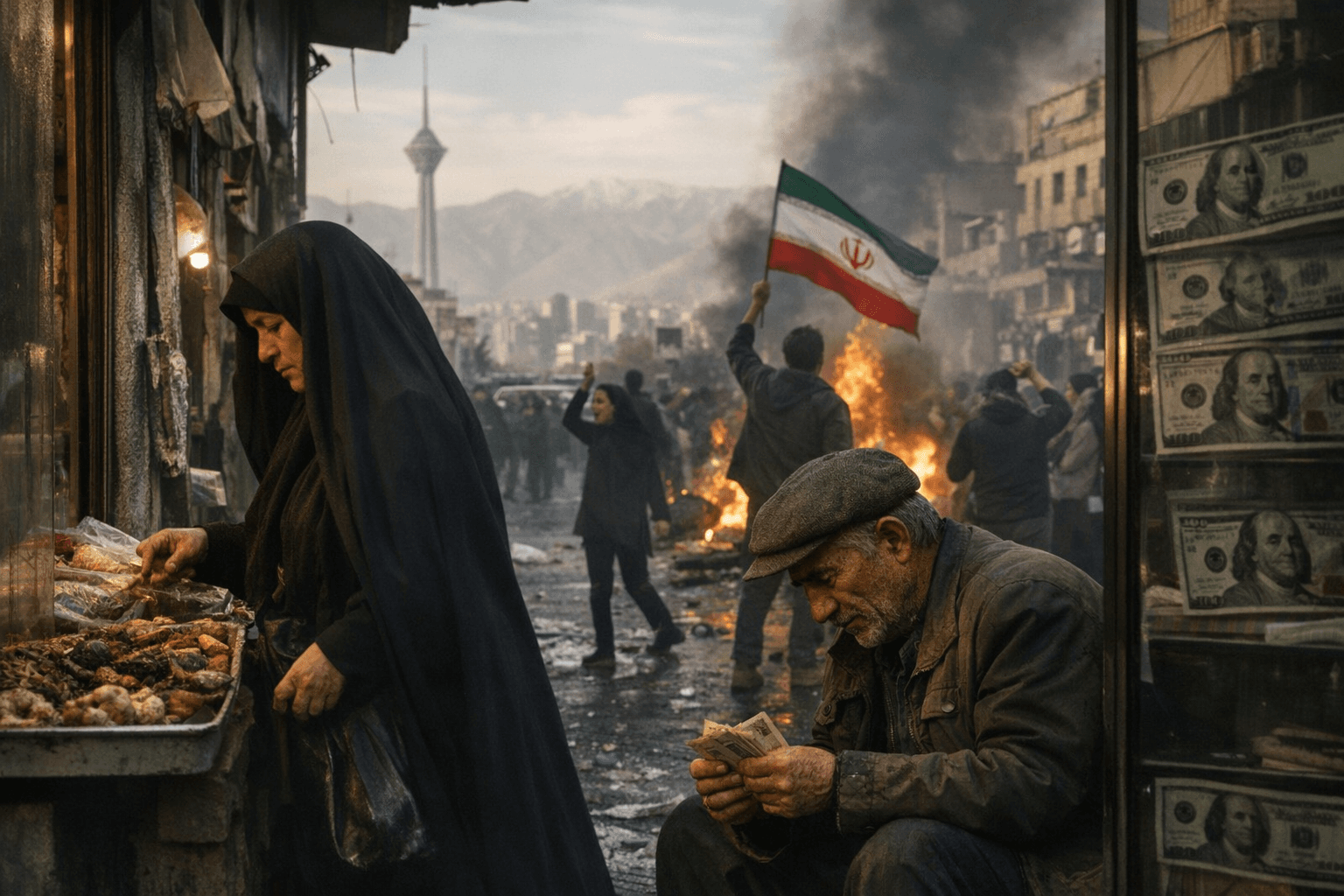
Iran’s war damage is not only measured in destroyed infrastructure and lost output. It has landed in kitchen budgets, paychecks and savings accounts, turning everyday survival into a test that cuts across politics.
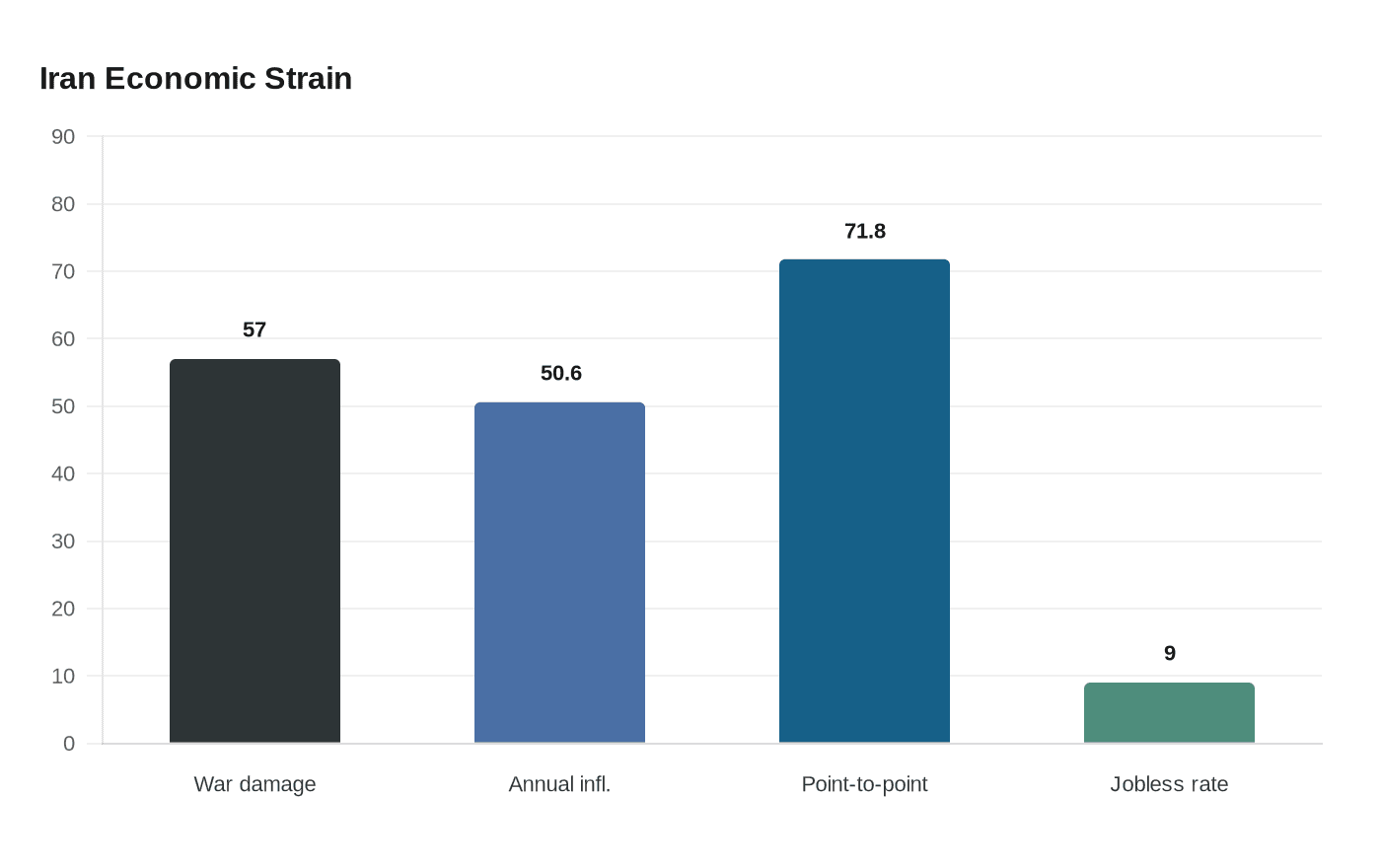
Government estimates put total war damage at about $270 billion, roughly 57% of Iran’s GDP. The shock hit hardest in the parts of the economy most tied to ordinary life, including services, digital businesses, hospitality, tourism, petrochemicals and steel. More than 10 million people in Iran earn income directly through the internet, making repeated shutdowns especially punishing. Since the war began on February 28, internet disruption has exceeded 1,100 hours, a pattern that has frozen online trade, blocked freelancers from work and cut off households that depend on digital income to pay for food and rent.
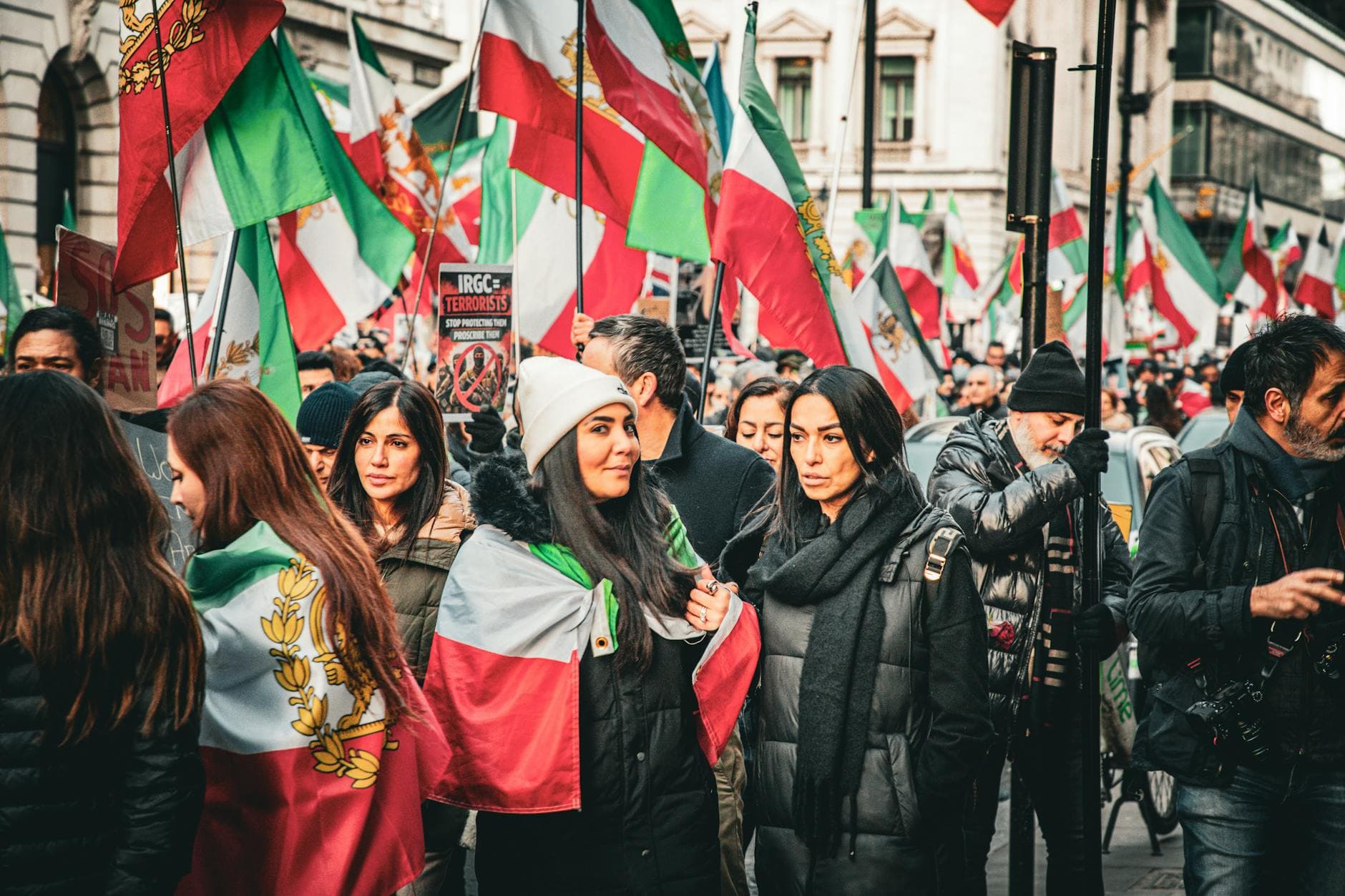
Inflation has made that damage immediate. Official figures for fiscal year 1404, which ended in March 2026, put annual inflation at 50.6%. Prices rose 5.6% in March alone, while point-to-point inflation reached 71.8%. Food has risen even faster. Monthly food inflation moved above 100% after preferential exchange rates were removed, and some food categories climbed as much as 150%. For families already stretching wages, the difference has meant smaller purchases, delayed bills and a constant search for cheaper substitutes. Workers’ House has called for direct distribution of staples such as rice, cooking oil and sugar, echoing the rationing system used during the 1980s Iran-Iraq war.
The labor market has shown the same strain. The Statistical Centre of Iran said the annual jobless rate fell slightly to 9% in the calendar year ending in late March, while a separate official measure put unemployment at 7.6% year on year in the third quarter ending December 21. Even with those figures, the job market has remained too weak to absorb the hit from war, inflation and shutdowns. In January, the unofficial dollar rate climbed above 1.5 million rials, a sign of deepening public mistrust in the currency and the broader economy.
That collapse did not start with the war. Sanctions had already slashed oil exports, weakened the rial and driven inflation higher. Reuters warned in 2025 that renewed U.N. sanctions could push Iran into simultaneous recession and hyperinflation. With the latest conflict layered onto that damage, the country has entered a wartime economy in which political divisions matter less than the same blunt question facing households from Tehran to the provinces: how to buy food, keep working and hold onto savings when the currency keeps falling and prices keep rising.
This article was produced by Prism’s automated news system from verified source data, official records, and press releases, then run through automated quality and moderation checks before publishing. The system is built and supervised by the people who set the standards it runs under. Read our full AI policy.
Did this article answer your question?

