Warm Winter, Low Snow Strain Durango Resorts While Boosting Warm-Weather Businesses
Unseasonably warm temperatures and scant snow have left Durango resorts with lower lift use and occupancy while bike shops and outdoor patios see stronger business.
Mid-January warmth and a sparse snowpack have created a split season for Durango-area businesses, with ski-dependent operations feeling the squeeze and warm-weather enterprises picking up extra customers. National Weather Service data shows Durango had received only about 8 inches of snow so far this winter, roughly 2 feet below normal, while December averaged about 10 degrees Fahrenheit above typical temperatures. The pattern has pushed some winter services into survival mode even as other sectors quietly benefit.
Ski-supporting retailers and lodging programs reported mixed results. Rental shops and stores selling layering pieces and tuning supplies saw steadier activity in early season demand, but operators who depend on robust snowpack said lift use and hotel occupancy were down substantially from expectations. Several lodging partners adjusted lift-ticket packages and promotions to try to stimulate bookings, and some rental shops tightened staffing to match lighter call volumes.
The Durango Nordic Ski Club had not begun grooming because of insufficient snow, removing a popular loop for classic and skate skiers from the winter recreation map. Purgatory Resort declined comment on current operations and projections. Local tourism leaders and the Business Improvement District cautioned that the season was not over, but characterized the stretch so far as slower than typical winters.
Not all corners of the outdoor economy are losing ground. Warmer conditions have boosted business at bike shops, outdoor dining venues, and trail-focused outfitters who reported increased foot traffic as residents and visitors shifted plans toward low-snow activities. Restaurants with heated patios and businesses offering guided mountain bike and hiking outings found an unexpected extension of shoulder-season demand.
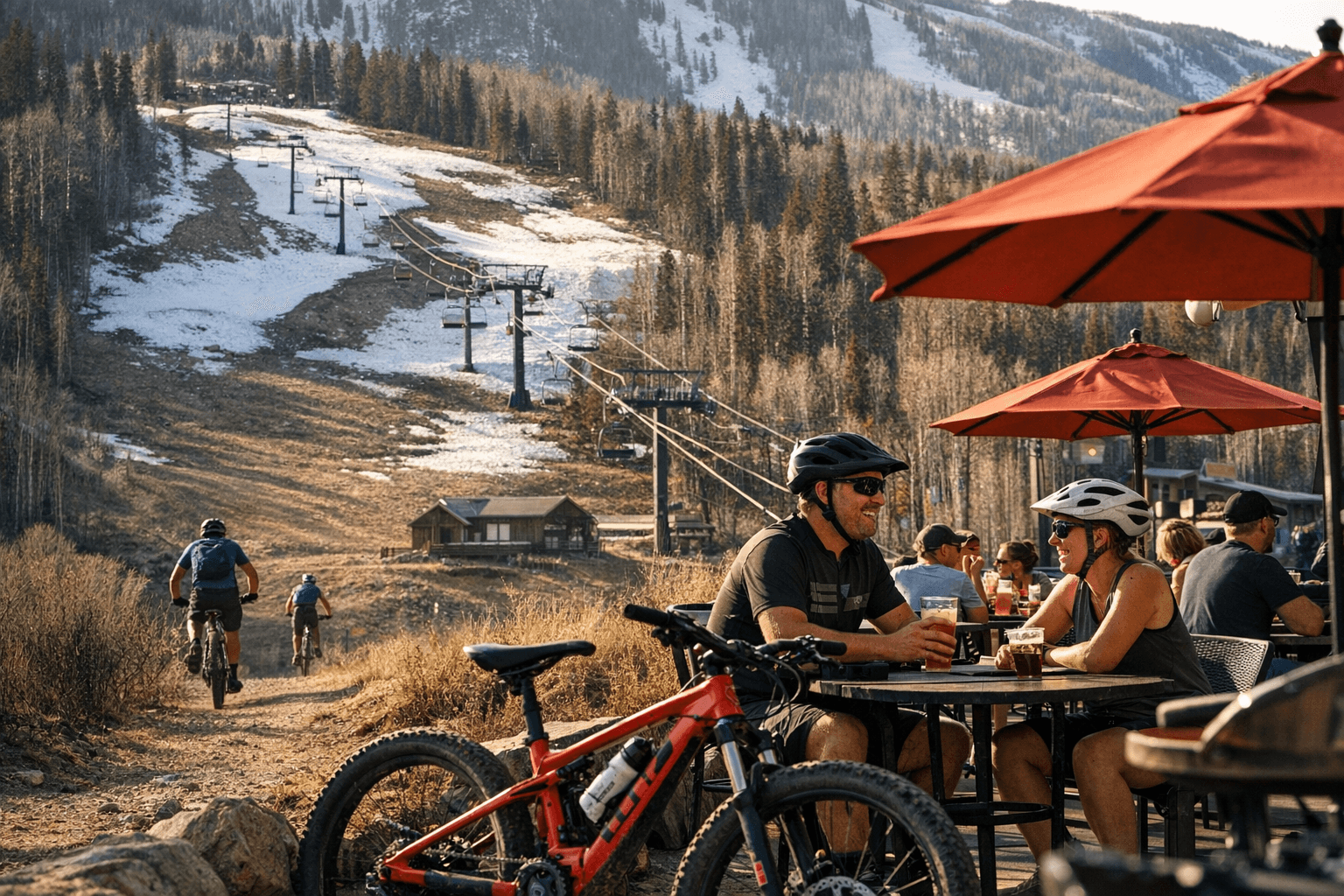
The economic ripple effects matter for workers and small business owners across town. Fewer lift-riding visitors can reduce demand for shuttle services, lift-ticket packages tied to lodging, and late-winter seasonal hiring. Conversely, the uptick in warm-weather recreation supports demand for gear repairs, bike rentals, and expanded outdoor seating at bars and restaurants.
For practical planning, check current trail, grooming, and lift conditions before driving up for a day of skiing; expect variable operations and promotional pricing at lodging and rental businesses. If you run a business, consider flexible booking policies, targeted packages that combine lodging with non-ski activities, and cross-promotion with warm-weather operators. If you work seasonally, reach out early to employers for staffing plans and opportunities in adjacent sectors.
What this means going forward is a season likely defined by adaptation rather than abundance. If temperatures cool and storms arrive, the region could still see a recovery in snow-based recreation; if warmth persists, expect further shifts toward multi-activity tourism and continued pressure on traditional winter services. Support for local businesses and flexible planning will be the clearest ways for the community to navigate whatever winter brings.
Know something we missed? Have a correction or additional information?
Submit a Tip