Warren, Lee launch probe into reported United-American merger talks
Warren and Lee opened a bipartisan probe into a proposed United-American tie-up that could reshape fares, fees and airport access for 405 million passengers.
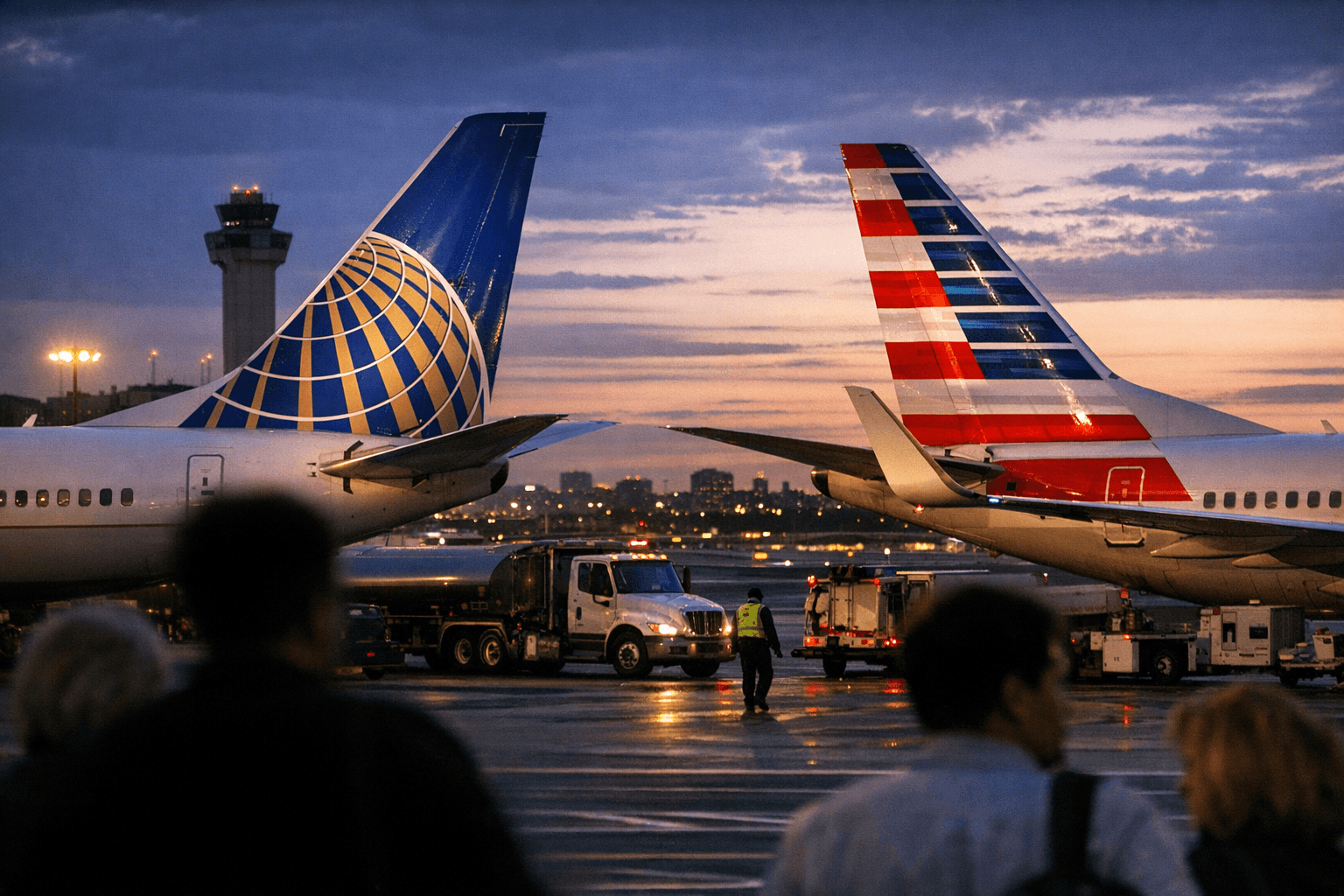
Two senators moved to stop a United-American merger before it ever reaches the boardroom, warning that a deal between the carriers could create the largest airline in the world and squeeze travelers on fares, fees and route choices.
Elizabeth Warren, Democrat of Massachusetts, and Mike Lee, Republican of Utah, opened a bipartisan probe on April 20, 2026, after reports that United chief executive Scott Kirby had discussed a potential tie-up with American Airlines. In a letter to both companies, the senators said a combined carrier would have more than 2,800 aircraft and the capacity to serve about 405 million passengers, giving the airline enough scale to dominate some of the country’s busiest markets.
Their warning went well beyond corporate size. The senators said the merger could raise ticket prices, increase ancillary fees, suppress wages and benefits, and weaken smaller competitors’ access to airport gates. They singled out Chicago O’Hare International Airport as a major hub overlap and said Dallas/Fort Worth International Airport would become an even more sensitive flash point because it is already a core American hub and a gateway United would want to expand into.
The inquiry asks United and American to answer by May 3 whether merger discussions have taken place, whether they were hostile or negotiated, and how any deal might affect prices, fees and jobs. The timing matters because United had already been weighing a possible airline deal since at least fall 2025, and Kirby reportedly floated the idea to Trump administration officials in February.
American answered quickly and negatively on April 17, saying it was not engaged with or interested in merger talks with United and calling any combination negative for competition and for consumers. American shares fell about 3% in premarket trading on April 20 after that rejection. United declined to comment.
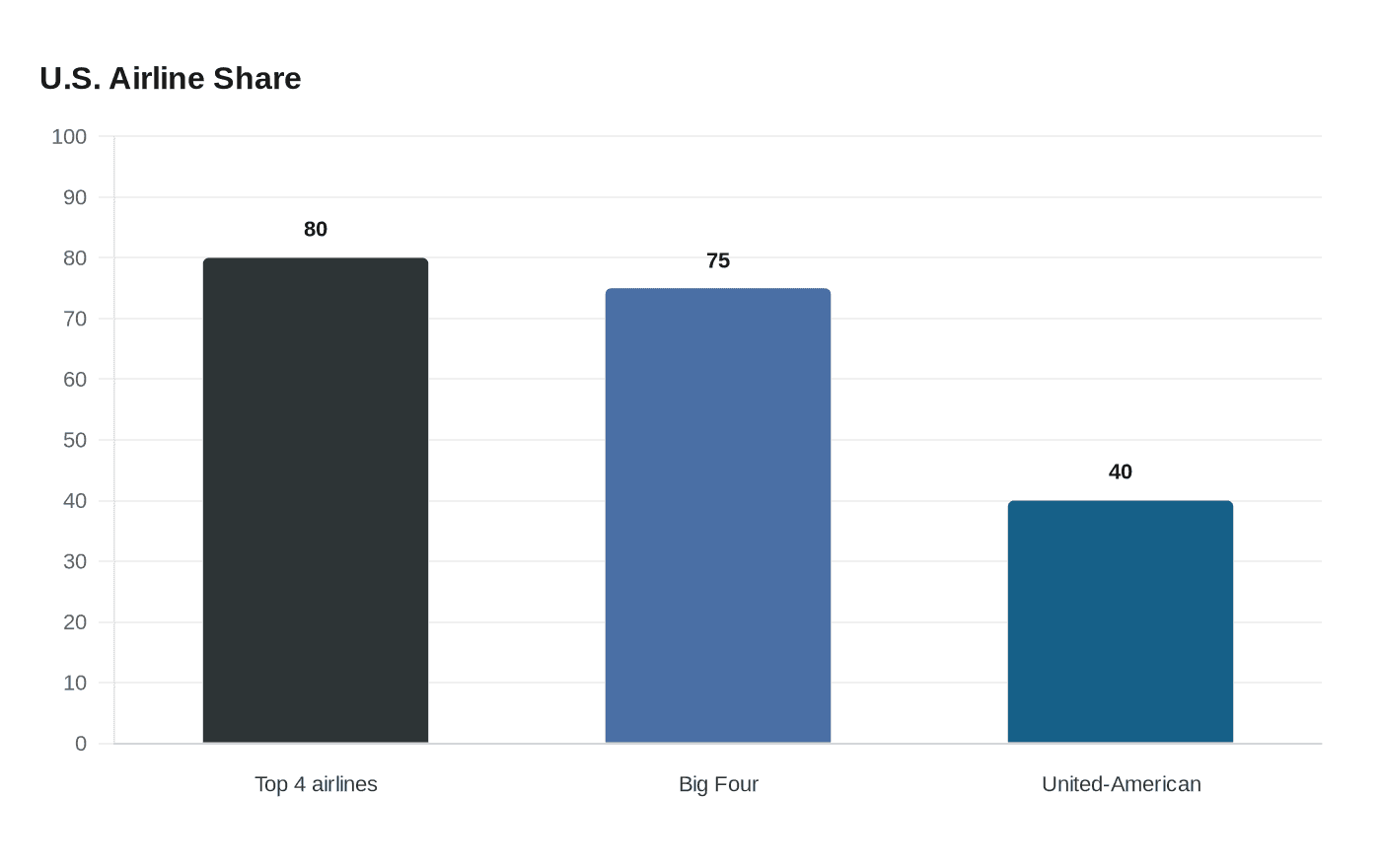
The antitrust stakes are obvious. The top four U.S. airlines already control about 80% of domestic capacity, and a United-American combination would create roughly a 40% domestic share. OAG data show the Big Four account for about 75% of the U.S. market in April 2026, while American remains the largest U.S. carrier by seats at 22.1 million. One analyst has said 289 routes could trigger divestiture concerns if the merger went ahead.
The political backdrop is just as important. Transportation Secretary Sean Duffy said earlier this month that there is room for mergers in aviation, a signal that helps explain why consolidation chatter is resurfacing even as airline unions and consumer advocates brace for the usual warning signs: fewer choices, higher prices and weaker bargaining power for workers. American’s flight attendants issued a no-confidence vote against chief executive Robert Isom in February, underscoring how internal pressure at one airline can quickly spill into broader merger speculation.
This article was produced by Prism’s automated news system from verified source data, official records, and press releases, then run through automated quality and moderation checks before publishing. The system is built and supervised by the people who set the standards it runs under. Read our full AI policy.
Did this article answer your question?