Washington, D.C. holds first ranked-choice primary amid open mayor race
D.C.'s first ranked-choice primary could take days to resolve as Bowser exits and the mayor's race opens wide.
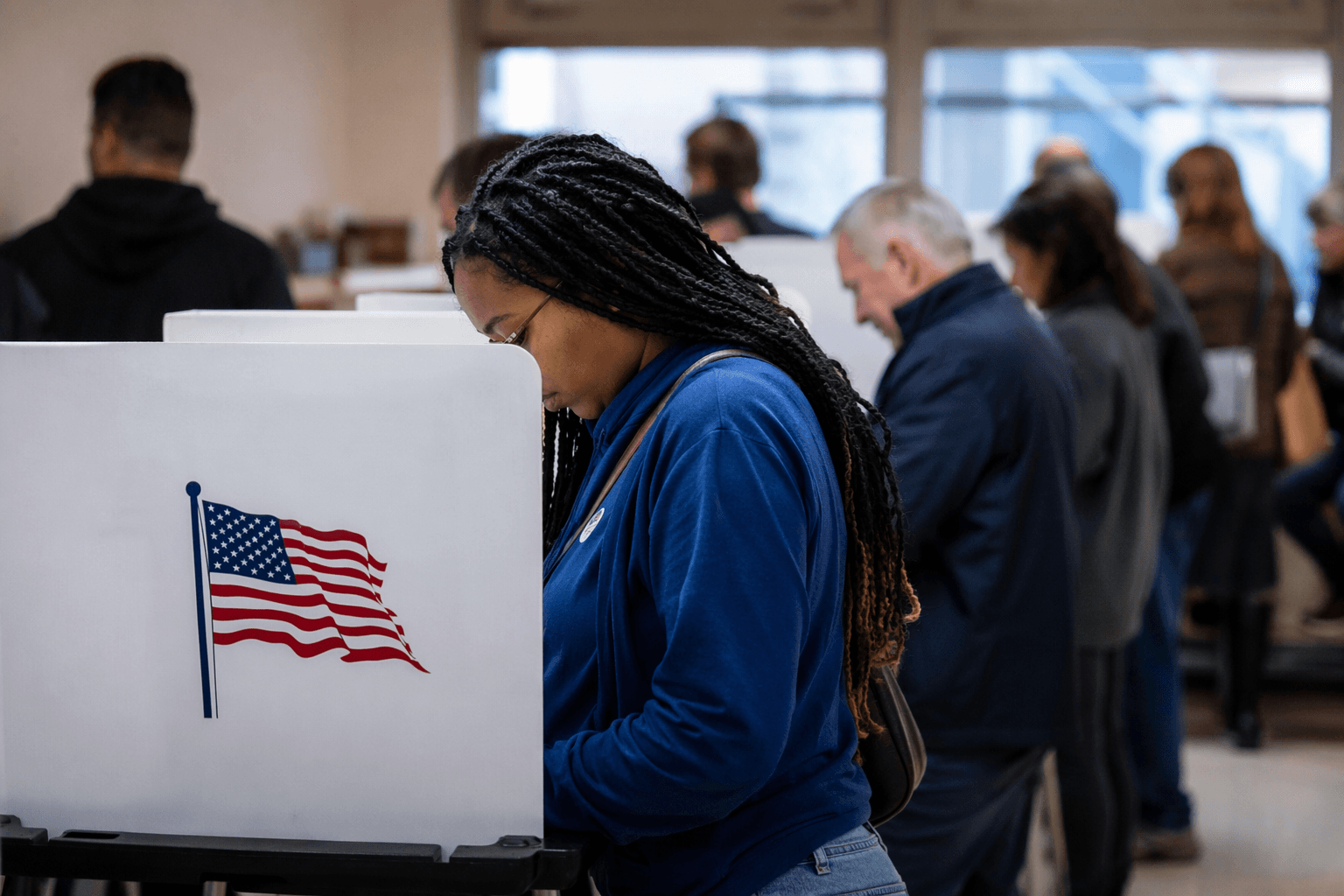
Washington’s first ranked-choice primary turned the June 16 ballot into a test of whether the reform can deliver a majority-backed winner without scrambling election night itself. The District of Columbia Board of Elections said final results may not be available until days after Election Day because of the new tabulation process.
Under the new system, ranked-choice voting was used in eligible contests with three or more candidates, and voters could rank up to five candidates. The Board of Elections also allowed voters to cast ballots at any vote center regardless of residential address, with polls open from 7:00 a.m. to 8:00 p.m. across the city. That structure changed the logic of the race: campaigns had to think beyond a hard first-choice ceiling and into the transfers that can decide close contests. In the Democratic mayoral field, a May 20 poll gave Janeese Lewis George 39 percent and Kenyan McDuffie 34 percent, and pollster Jon Cohen said ranked-choice transfers could give McDuffie room to close the gap.
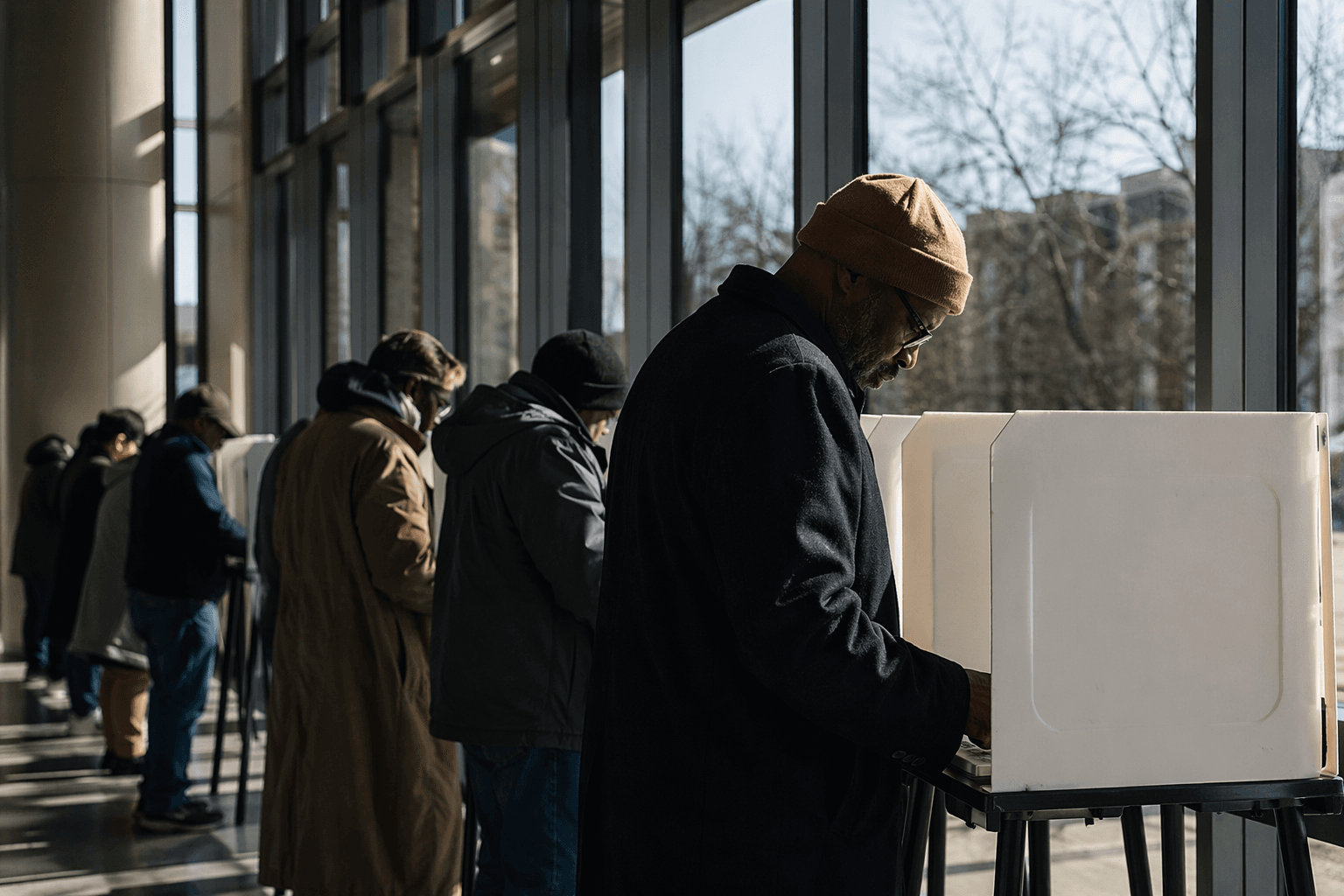
The stakes were unusually high because Mayor Muriel Bowser did not seek a fourth term, ending a decade in office, and the District’s nonvoting U.S. House delegate seat was open as well. Ballotpedia said seven candidates were running in the Democratic primary for mayor, while AP said the delegate seat was open for the first time in 36 years. AP also noted that the last time Washington, D.C., voters chose both a new mayor and a new delegate in the same election was during the George H.W. Bush presidency, when gas cost $1.33 a gallon. The District also held a special election for an at-large Council seat on the same date.
For reform advocates, the first question was not only who finished first, but whether the count would show ranked-choice voting producing a broader mandate and a more durable coalition than a simple plurality race. If the system works as promised, candidates will have to build support across factions and survive elimination rounds; if it does not, the slower count will become part of the criticism.
This article was produced by Prism’s automated news system from verified source data, official records, and press releases, then run through automated quality and moderation checks before publishing. The system is built and supervised by the people who set the standards it runs under. Read our full AI policy.
Know something we missed? Have a correction or additional information?
Submit a Tip

