Washington Post says Trump ballroom could cost taxpayers $300 million
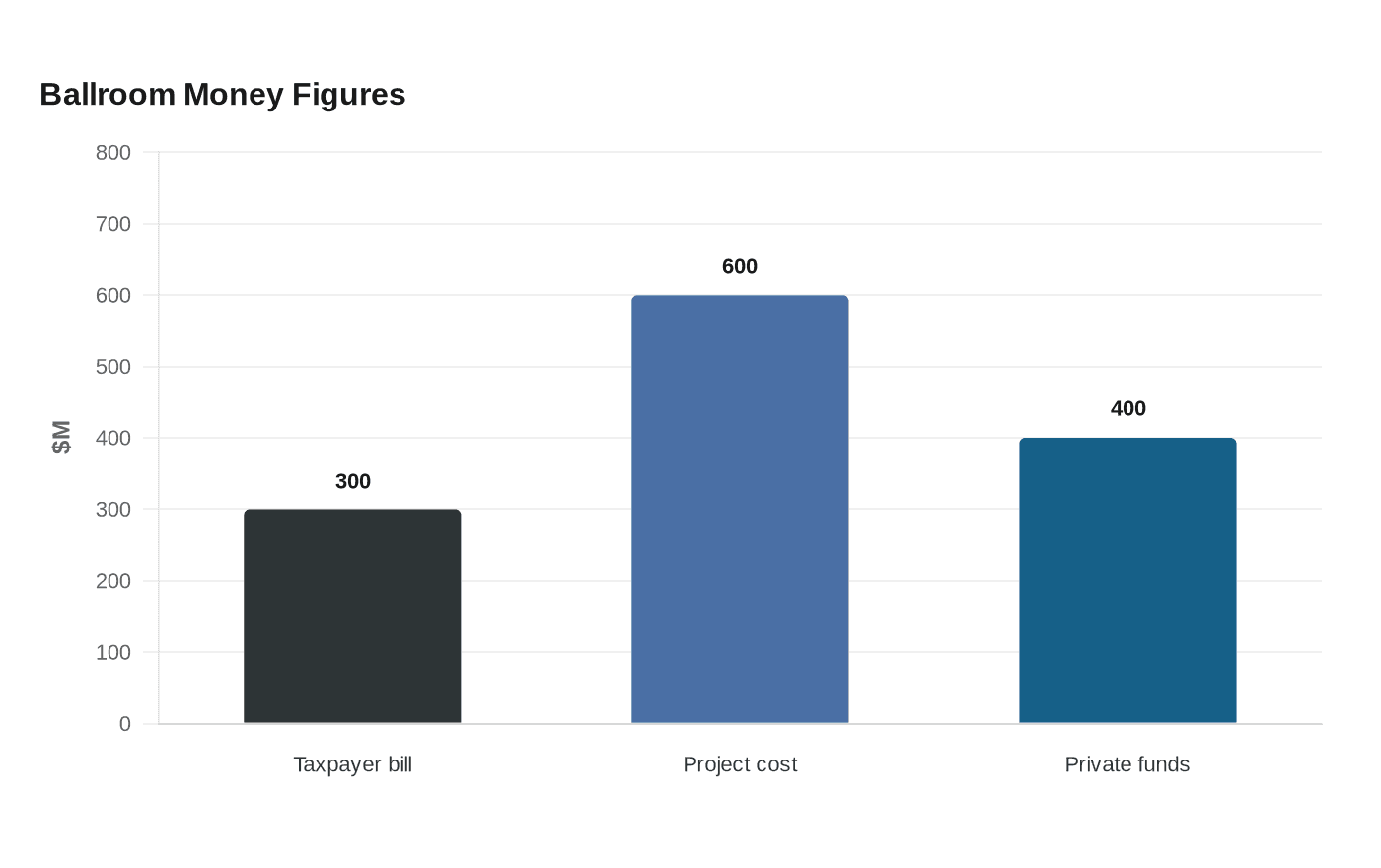
Trump’s White House ballroom was pegged at $600 million, with taxpayers set to cover about $300 million as legal fights over the project escalated.

Taxpayers were projected to cover about half of President Donald Trump’s White House ballroom, a share that would put the public bill at roughly $300 million for a project now estimated at $600 million. That price tag, surfaced in internal contractor estimates by March, sharpened the central accountability question: who authorized this expense, and what public need justifies it?
The White House announced the ballroom on July 31, 2025 as a roughly 90,000-square-foot White House State Ballroom with seating for 650 people. Officials said it would replace the East Wing site, which the White House described as having been built in 1902 and altered many times over the decades. Construction was slated to begin in September 2025, with McCrery Architects as lead architect, Clark Construction handling construction and AECOM serving as the engineering team.
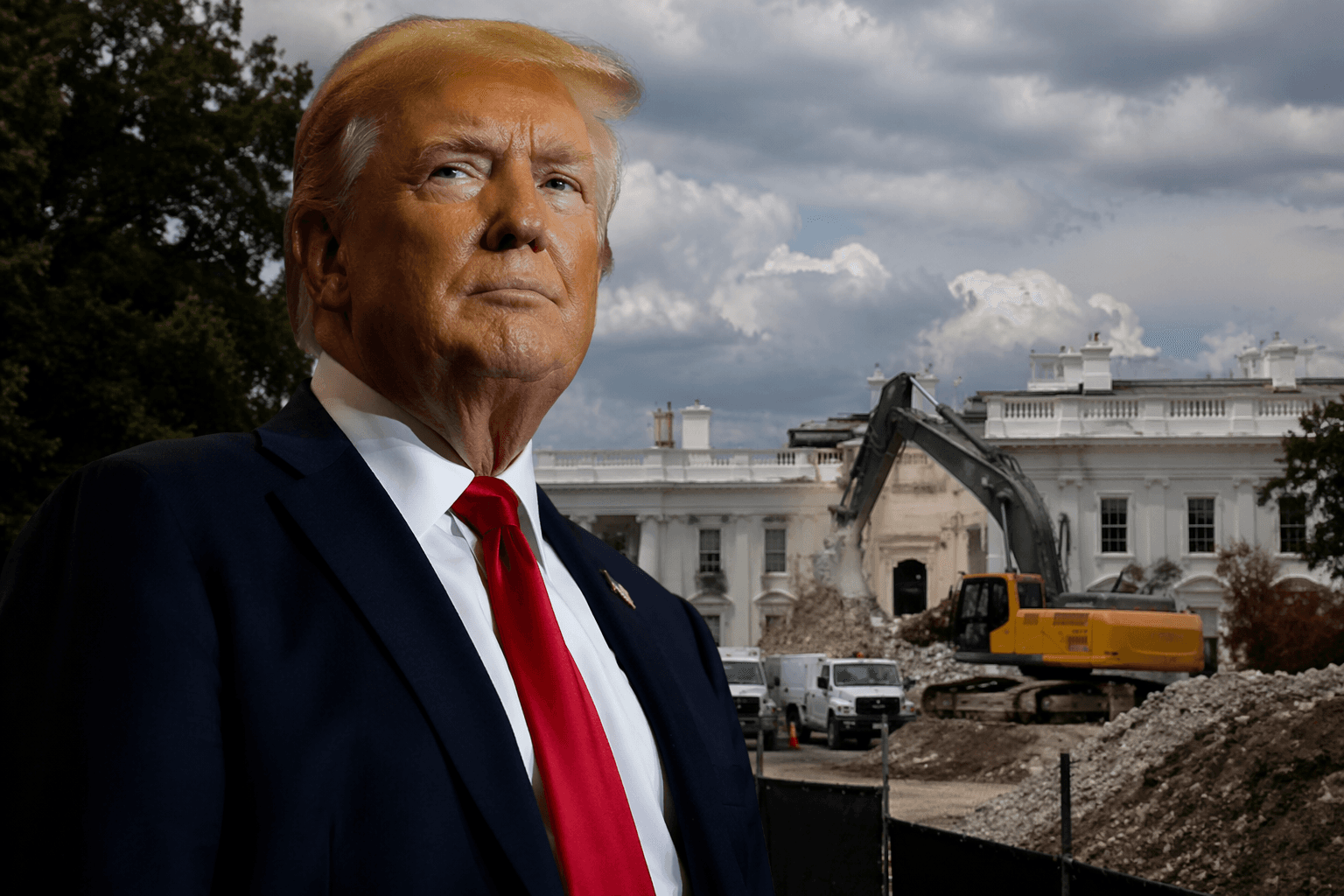
The East Wing was demolished in October 2025, intensifying the fight over both the project’s scale and its legal footing. Preservationists said the demolition erased a long-standing part of the White House complex that had housed the Office of the First Lady and related staff, while supporters argued the mansion has long lacked a formal event space large enough for major state functions. For years, state dinners and other large gatherings have relied on the East Room and tents on the South Lawn, a workaround that has become the main defense for the project.
That defense has not settled the legal and fiscal questions. The National Trust for Historic Preservation sued in December 2025, seeking to stop the project until required reviews and approvals were complete. Its challenge said the ballroom lacked a National Capital Planning Commission filing, environmental review under the National Environmental Policy Act and congressional authorization. Those omissions go to the core issue of federal spending authority, especially if taxpayers are being asked to help finance a privately pitched project.

A separate front opened in May 2026, when Campaign Legal Center and Citizens for Responsibility and Ethics in Washington filed an amicus brief arguing the donor model carried a substantial risk of quid pro quo corruption. The brief said nearly $400 million had already been raised from private donors, including Meta, Coinbase, Ripple and Lockheed Martin. That fundraising only deepened scrutiny over whether the project was truly private or whether taxpayer exposure remained embedded in the plan.
Sarah Blaskey, the Washington Post investigative reporter who helped break the story, discussed the reporting on “The Takeout.” The numbers have now put a hard price on a political and constitutional dispute: a ballroom, a demolished East Wing and a public share that could reach $300 million before Congress ever voted on the broader question of need.
This article was produced by Prism’s automated news system from verified source data, official records, and press releases, then run through automated quality and moderation checks before publishing. The system is built and supervised by the people who set the standards it runs under. Read our full AI policy.
Know something we missed? Have a correction or additional information?
Submit a Tip