Wasserman Schultz’s Florida run sparks backlash over Black congressional seat
Florida’s only majority-Black congressional district has become a test of redistricting power as Debbie Wasserman Schultz enters a race many Black Democrats see as a takeover.
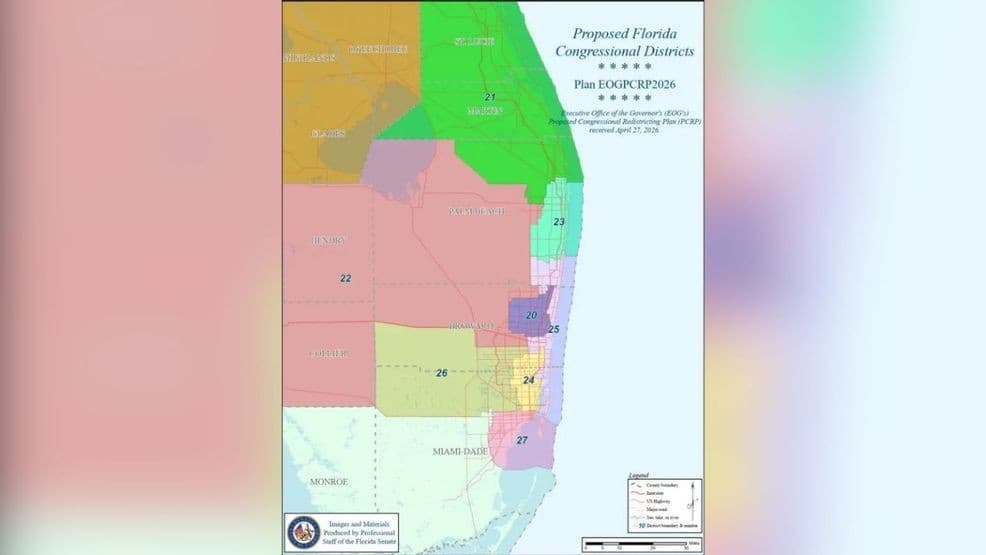
Florida’s only majority-Black congressional district has become the latest battleground over redistricting and Black political power, with Debbie Wasserman Schultz’s entry into the race intensifying a fight over who gets to claim South Florida’s most symbolically important House seat.
Florida’s 20th Congressional District is 53.4% Black, and Black residents make up 48.68% of its citizen voting-age population. The seat covers parts of Fort Lauderdale, Lauderhill and Plantation, where African American and Caribbean American communities have long shaped local politics. In 2024, about 389,000 Black or African American residents made up the district’s largest racial group, underscoring why the district has been treated as a cornerstone of Black representation.
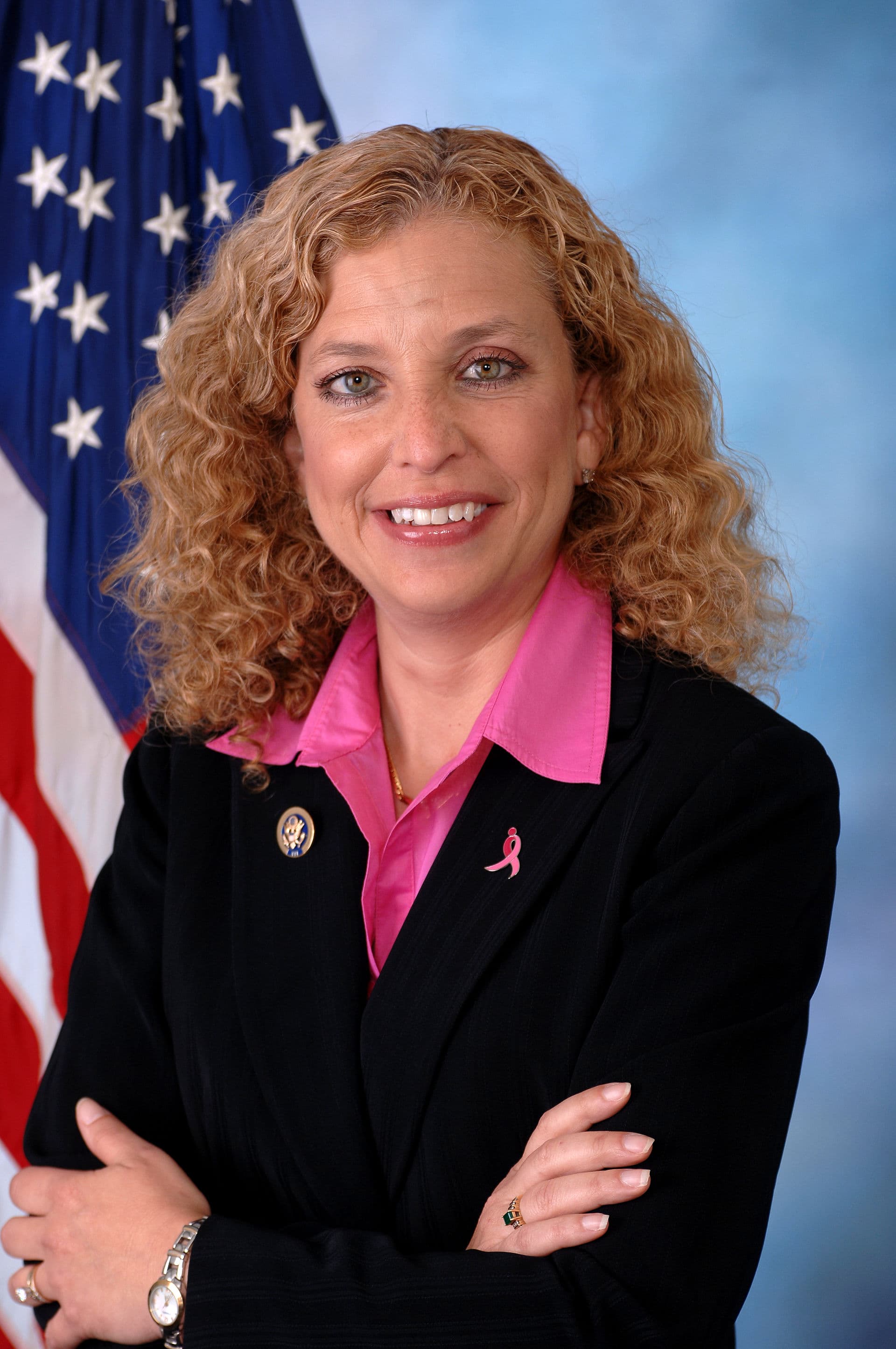
That history gives Wasserman Schultz’s move sharp political edges. All of the other major Democratic candidates in the race are Black, and some local Democrats have argued that the district should remain in the hands of a Black lawmaker who shares the lived experience of its voters. For critics, the issue is not simply who can win the seat, but whether Republican-drawn maps are now opening the door for an established white Democratic power broker to compete in what has been understood as a Black seat.
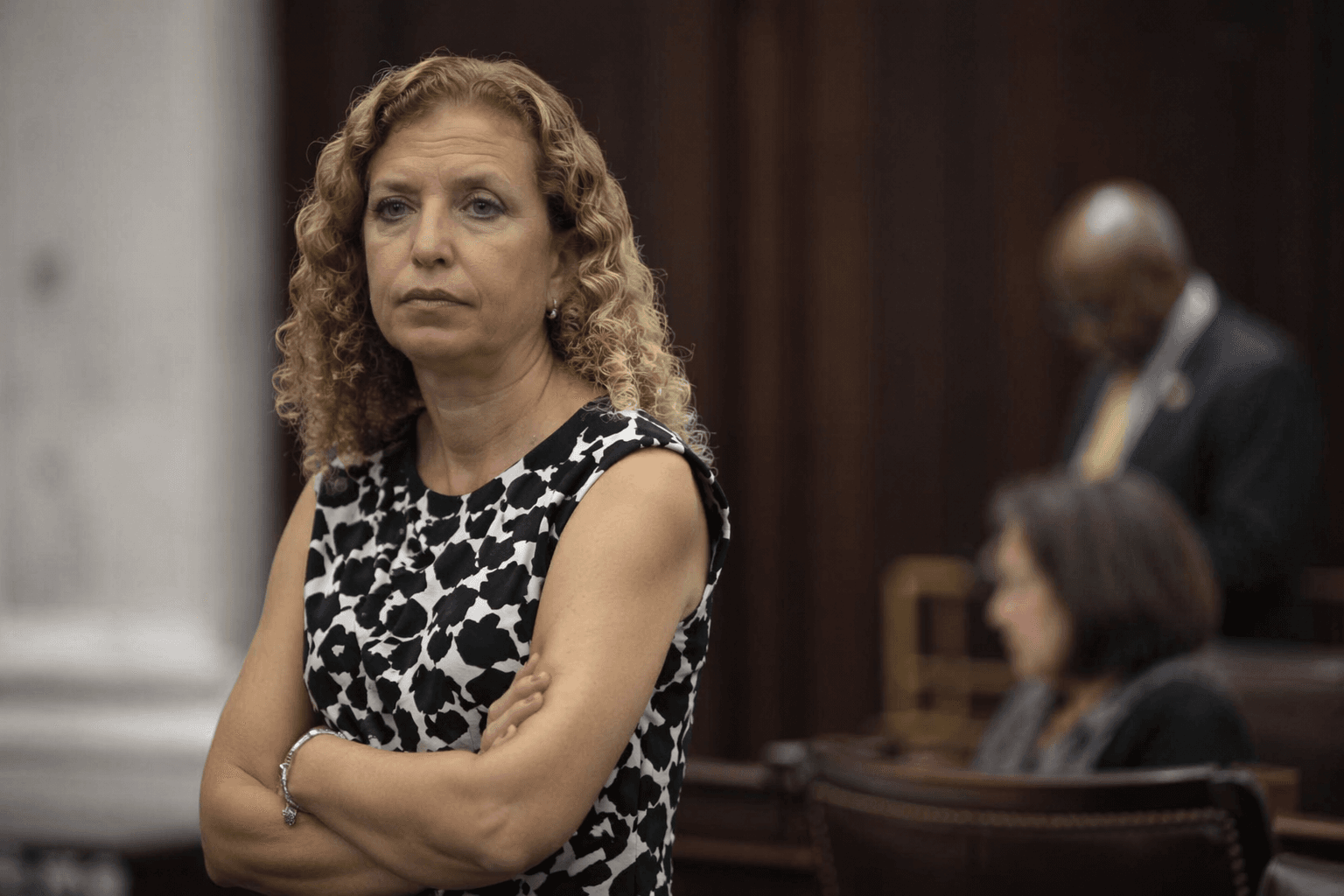
The opening came after Sheila Cherfilus-McCormick resigned from Congress on April 21, 2026, amid ethics and legal troubles. Cherfilus-McCormick, the first Haitian-American woman elected to Congress from Florida, denied wrongdoing and later said the process against her was unfair. Her departure reopened a district that had been held by a Black lawmaker for more than 30 years and quickly triggered a scramble among Democrats in Broward and Palm Beach counties.
Wasserman Schultz’s allies are arguing that her seniority and Washington clout could help deliver results on affordability and federal leverage. But her candidacy has collided with a broader regional fight over mapmaking, representation and the survival of minority-majority districts. Florida’s 20th was reshaped after the 2020 Census, and the current configuration has become a focal point in debates over whether Black voters will continue to elect Black representatives or be split by a race that mixes race, incumbency and institutional power.
The stakes extend beyond one district. Black Southern Democrats have increasingly warned that minority-majority seats are under pressure, and Florida’s 20th has become a vivid example of how redistricting can redefine not just boundaries, but the political meaning of representation itself.
Know something we missed? Have a correction or additional information?
Submit a Tip