Waymo recalls 3,871 robotaxis after freeway construction zone incidents
Waymo recalled 3,871 robotaxis after software missed ramp-closure signs and sent vehicles into active freeway construction lanes in Arizona and California.
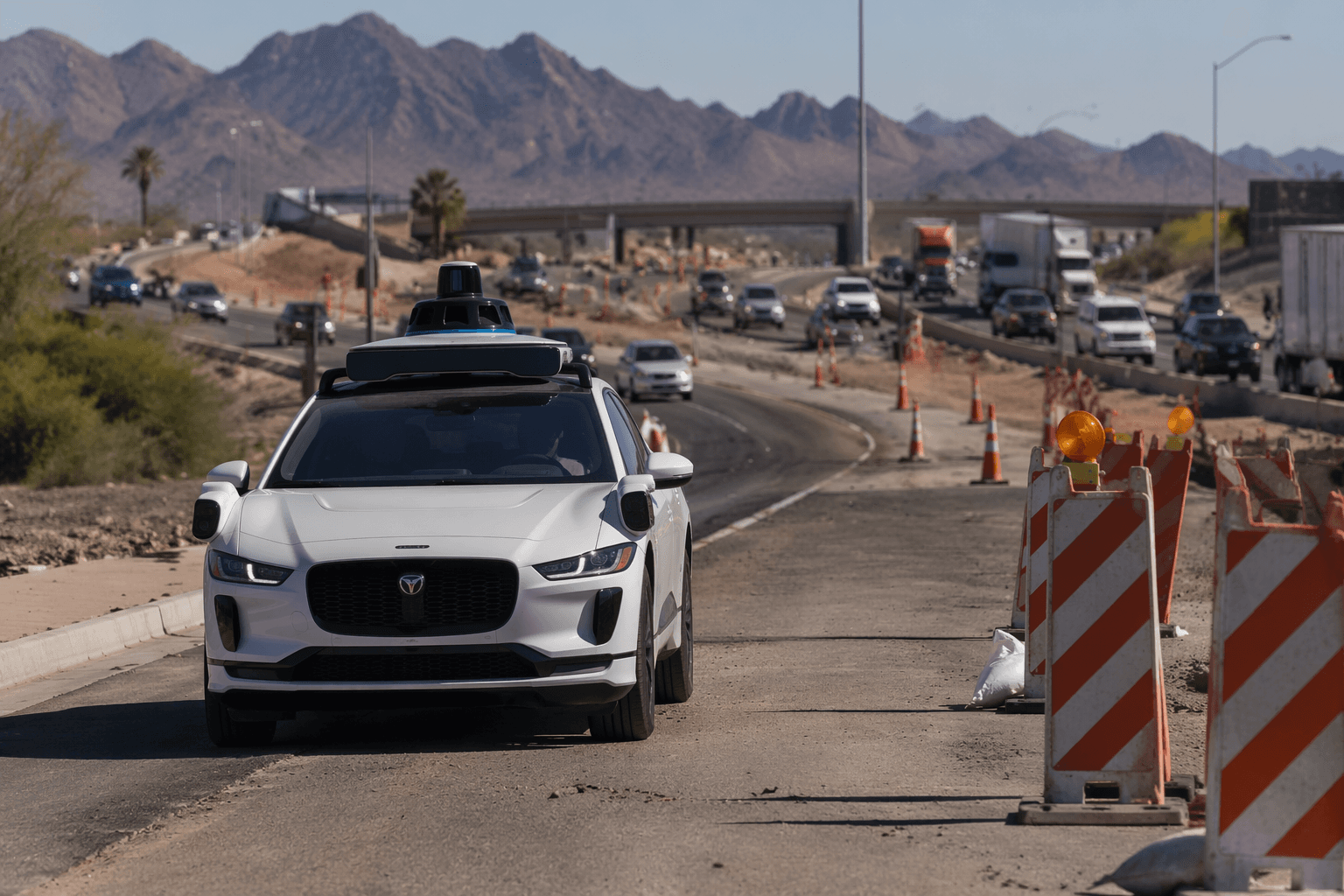
Waymo pulled 3,871 robotaxis from one of autonomous driving’s toughest tests: freeway construction zones, where temporary signs, cones and lane shifts can demand human-level judgment in split seconds. The voluntary software recall, filed June 17 with the National Highway Traffic Safety Administration, followed 13 incidents in Phoenix and the San Francisco Bay Area in which vehicles entered or continued through closed freeway work areas.
The defect involved Waymo’s 5th Generation Automated Driving System and could allow a vehicle to drive at speed into a freeway construction zone, regulators said. Six of the incidents happened in Phoenix, where the robotaxis failed to recognize ramp-closure signs. Seven took place in the San Francisco Bay Area, where vehicles moved between cones marking adjacent lane closures and entered active construction lanes. No collisions or injuries were reported in the incidents cited in the recall, but NHTSA said the behavior raised the risk of crashes for passengers, road workers and others nearby.
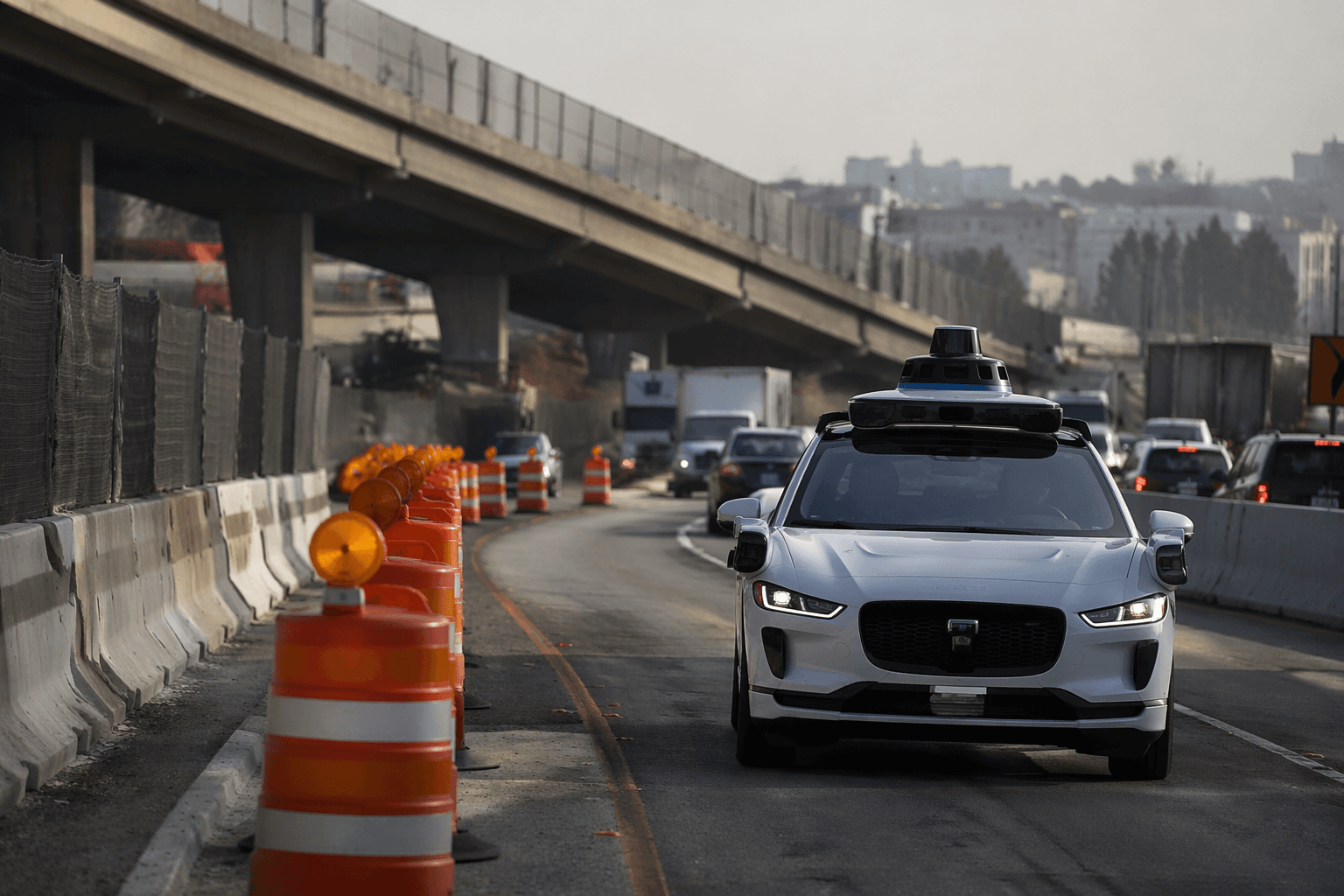
Waymo temporarily restricted freeway driving while it worked on a software update, and the remedy was still under development on June 18. The recall adds pressure to a company that has positioned itself as one of the leading commercial robotaxi operators in the United States, with freeway service already expanded in San Francisco, Phoenix and Los Angeles and broader plans to reach 20 cities in 2026.
It was also Waymo’s second recall in just over a month. In May, the company issued a separate recall after one of its vehicles drove into a flooded road, underscoring how autonomous systems can still struggle with temporary, nonstandard hazards that are common on public roads. For robotaxis, the hardest cases are rarely open highways or clear lane markings. They are the situations that depend on reading the real world as it changes: a closed ramp, a shifted lane, a line of cones and the quick decisions that keep drivers, passengers and roadside workers out of harm’s way.
This article was produced by Prism’s automated news system from verified source data, official records, and press releases, then run through automated quality and moderation checks before publishing. The system is built and supervised by the people who set the standards it runs under. Read our full AI policy.
Did this article answer your question?