Wedding costs surge as inflation and tariffs reshape spending
Wedding spending rose 8.5% through May as couples faced higher vendor bills, tariffs and inflation, with many cutting guest counts or swapping decor.
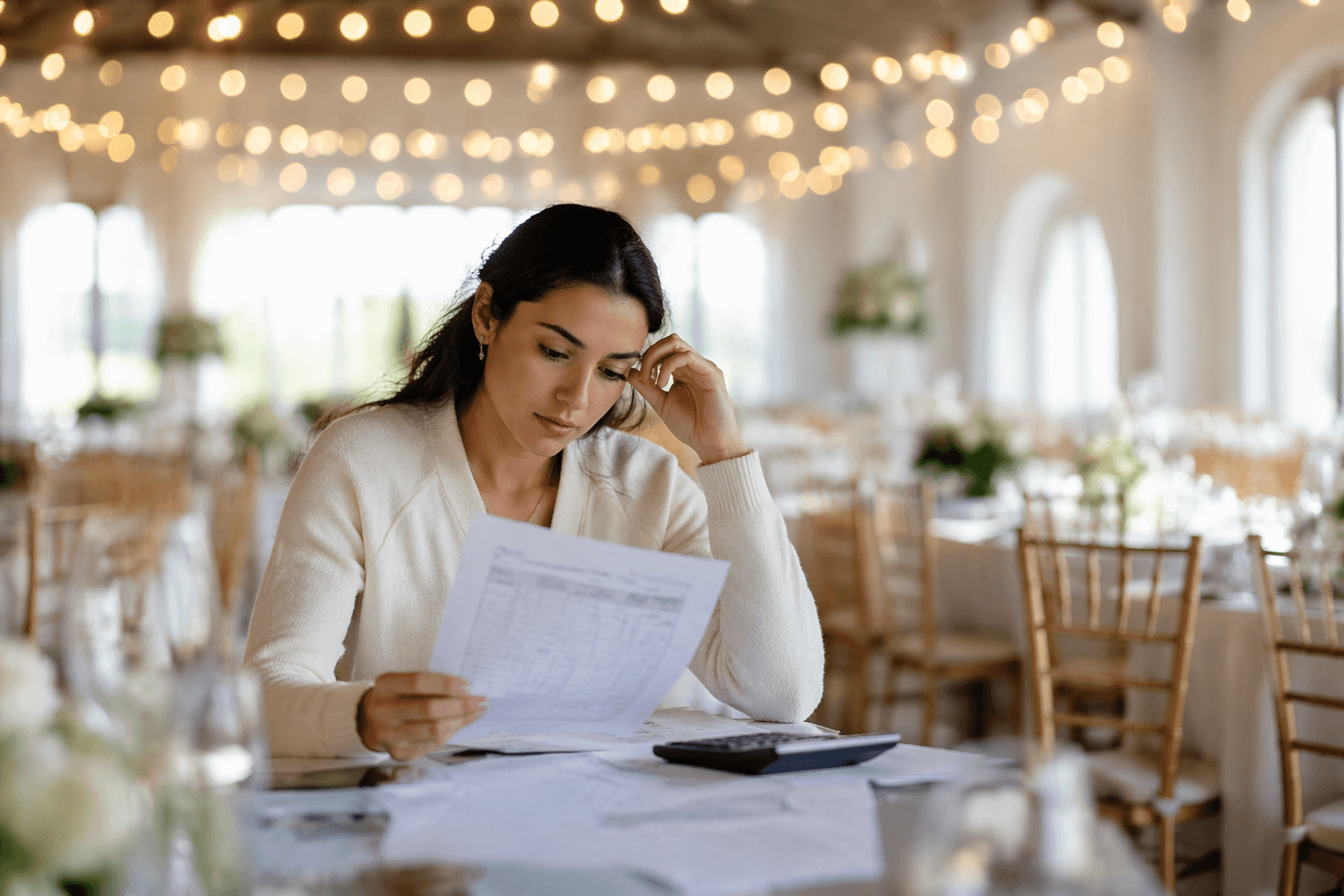
Wedding-related spending rose 8.5% year-over-year through May 2026, more than twice the growth pace of the previous two years, as tariffs and inflation pushed up costs from venues to florists and apparel sellers. Bank of America Institute tracks the category through aggregated credit, debit card and ACH payment data, and says May and October remain the busiest wedding months.
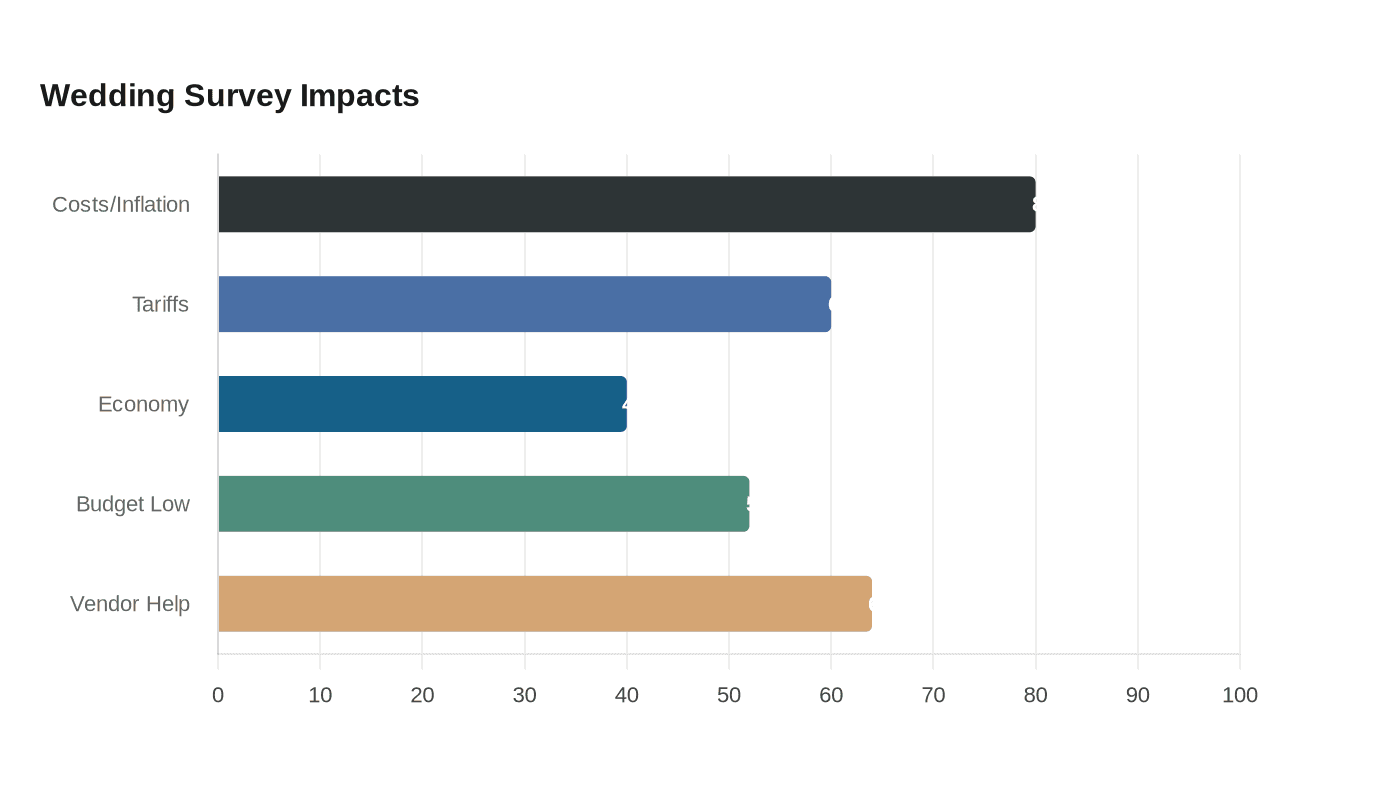
The price tag is climbing even before the party starts. Bank of America, citing Zola, said the average U.S. wedding cost $36,000 in 2025, up $3,000 from the year before. That helps explain why engaged couples are tightening their plans: The Knot’s 2026 Wedding Trends Report found that among more than 600 couples, roughly 8 in 10 said rising costs or inflation had influenced, or would influence, their wedding planning, while 6 in 10 specifically pointed to tariffs.
Many couples are responding by trimming the guest list, changing flowers or decor, and comparing more vendors. Forty percent of those surveyed said they were making changes because of the economy, and 52% said their original budget felt lower than the real cost of a wedding. Even with pressure building, 64% said vendors helped them stay within budget, suggesting couples are still finding room to spend when the details matter most.
The strain is not uniform across the country. Bank of America said wedding spending grew nearly five times faster in the South than in the Midwest, and about four times faster in the West than in the Northeast. The bank also said Gen Z is increasingly driving demand, adding a younger cohort that is willing to spend but is also more deliberate about where the money goes. That has helped fuel trade-downs in some categories, even as couples continue to splurge on the overall experience.
The shifts reach beyond flowers and centerpieces. Bank of America said formal attire spending has risen even as fewer people are making those purchases, a sign that some couples are looking for one-time-wear options that feel less wasteful. Lab-grown diamonds are also gaining traction as a lower-cost alternative. The broader pricing backdrop matters too: the Federal Reserve said in a March 5, 2026 note that tariffs gradually raised retail prices in 2025, showing how import costs can seep into consumer budgets over time. In a market The Knot estimates at roughly $100 billion, couples are still saying yes, but with sharper pencils and smaller margins.
This article was produced by Prism’s automated news system from verified source data, official records, and press releases, then run through automated quality and moderation checks before publishing. The system is built and supervised by the people who set the standards it runs under. Read our full AI policy.
Did this article answer your question?