What Target Employees Need to Know About WARN Notices
The federal WARN Act requires employers with covered workforces to give 60 calendar days’ written notice for plant closings or mass layoffs that meet statutory thresholds, and failure to provide proper notice can trigger back pay and benefits remedies. Target employees and HR teams should use Department of Labor WARN guidance and state WARN dashboards to verify notices, locate transition services, and understand potential penalties and remedies.
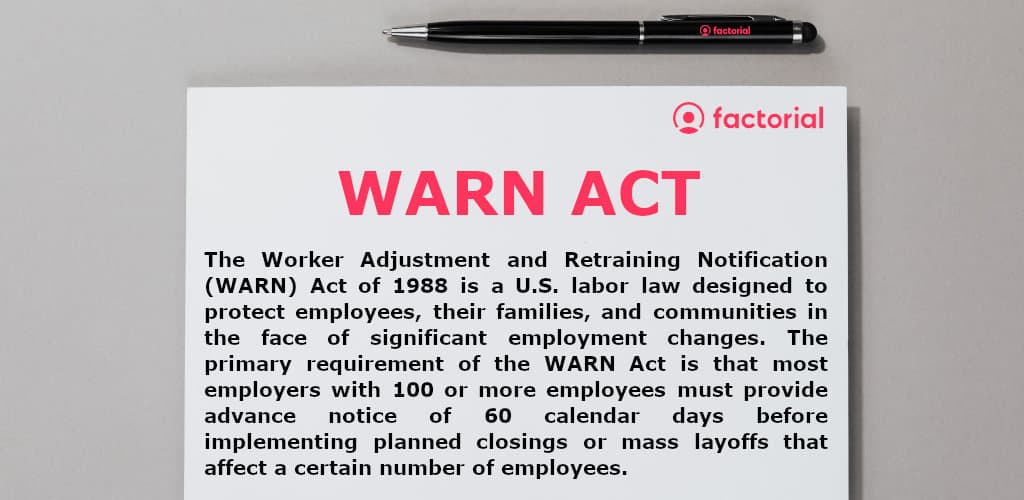
Federal WARN requirements shape how large workforce actions must be communicated and how affected employees can seek remedies. Under the WARN Act, employers with covered workforces must provide 60 calendar days’ written notice for plant closings or mass layoffs that meet statutory thresholds. Notices must be delivered not only to employees but also to the state dislocated worker unit, local government officials and union representatives where applicable.
When notices are not properly given, the law provides for potential back pay and benefits for up to 60 days for affected employees. The treatment of pay in lieu of notice and the application of state penalties can affect how remedies are calculated. The Department of Labor’s WARN FAQs explain employer coverage thresholds, required content of notices and where mistakes commonly occur, and they remain the primary federal reference for interpreting obligations and remedies.
Many states maintain publicly accessible WARN dashboards that post filed WARN letters. Procedures and the level of detail on those dashboards vary by state, so employees who believe they may be affected should check the relevant state site for posted notices and contact the state labor agency named on the posting. State pages and the Department of Labor guidance also explain how Rapid Response services are triggered to deliver job transition assistance, training referrals and other support for workers facing displacement.
For Target employees, these rules matter when large workforce actions occur. Start by asking your HR representative for a copy of any WARN notice and confirm who received the notice. Verify the posted notice on your state’s WARN dashboard and note the contact information for your state dislocated worker unit. If you are represented, confirm that union representatives were notified. If you did not receive 60 days notice, document communications and ask HR whether pay in lieu of notice was offered and how it will be handled.

HR teams should follow the federal guidance closely: ensure notices meet content requirements, are sent to all required recipients and are posted where state rules require. Coordinate with state rapid response coordinators so transition services are available promptly. Careful adherence reduces legal exposure, limits potential back pay liabilities and preserves worker trust.
Knowing where to look and whom to contact reduces confusion and speeds access to assistance. Verify posted WARN letters, contact your state labor agency or Rapid Response service for next steps, and keep written records of all communications regarding any layoff or closing.
Know something we missed? Have a correction or additional information?
Submit a Tip