Where to Find Owsley County Hearings, Request Records and Attend Court
Find Owsley County circuit and district hearing schedules at the Booneville courthouse, request court records through the circuit clerk, and read this guide to know what to bring and expect in court.

1. Where Owsley County hearings are held
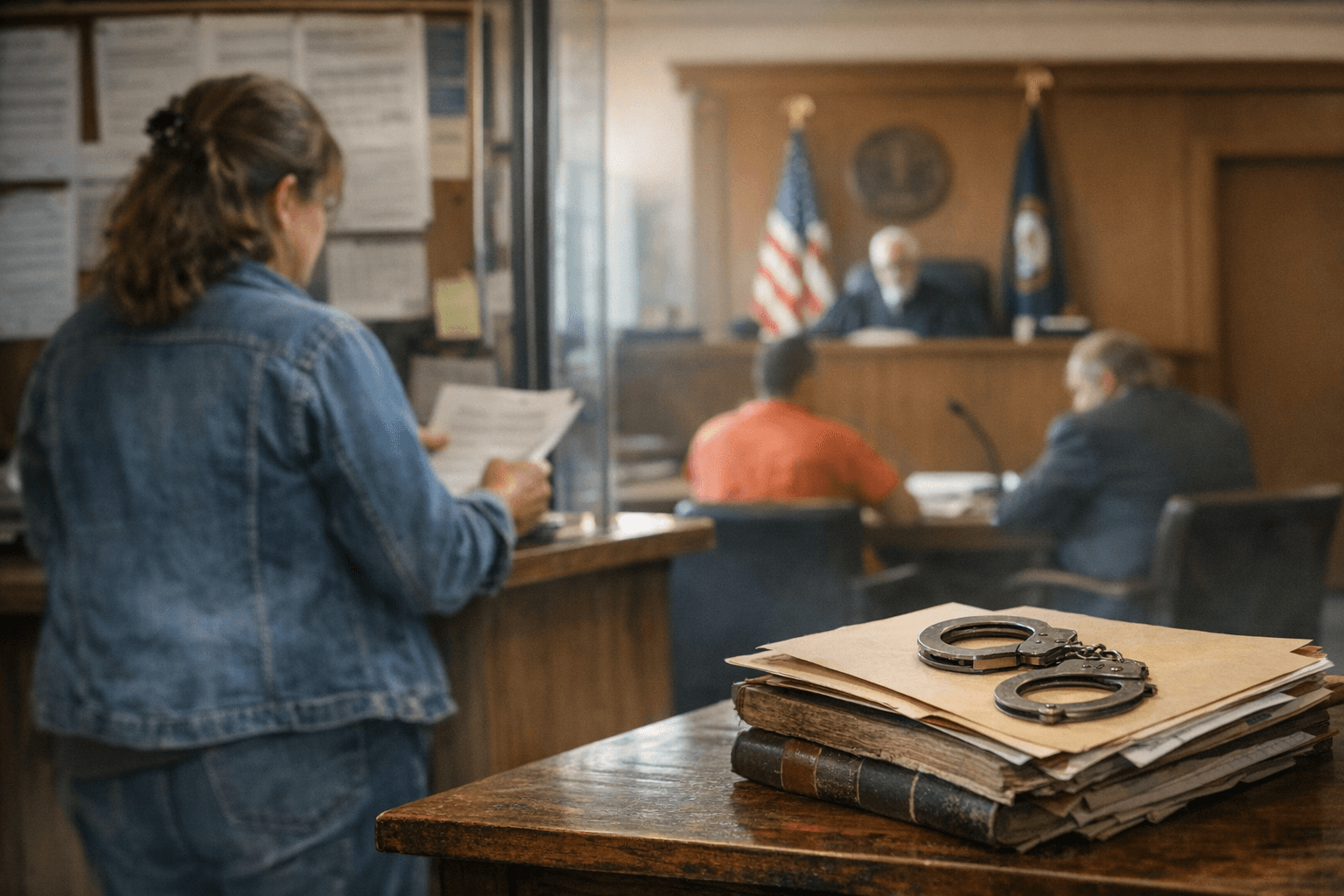
The Owsley County Circuit Court and District Court sessions convene at the county courthouse in Booneville, the county seat. Courtrooms in Booneville host criminal arraignments, civil trials, family matters and probation hearings; when a matter is set for the circuit docket it will be scheduled at the Booneville courthouse unless the judge orders a different location. If you plan to attend, plan your trip to Booneville and expect to enter via the public entrance of the courthouse where courtroom assignments are posted.
2. Who to contact to confirm a hearing
Call or visit the Owsley County Circuit Clerk’s office at the courthouse to confirm date, time and courtroom for any scheduled hearing. The circuit clerk is the official custodian of circuit and district dockets and can tell you whether a case is scheduled, if it has been continued, or whether it was resolved without a public hearing. If you need more procedural clarification, for example, whether a hearing is open to the public or limited by a court order, ask the clerk to note any docket restrictions before you travel.
3. Where to find published dockets
Dockets for Owsley County’s circuit and district cases are posted at the Booneville courthouse and are typically available through the statewide court-docket service used by Kentucky courts. The courthouse bulletin board carries the county’s daily/weekly calendar for on-site reference; for remote checks, consult the official statewide dockets published by the judicial administrative authority that compiles county calendars. Use the posted docket entry to verify parties’ names, case numbers and the type of proceeding (e.g., arraignment, pretrial, sentencing).
4. How to request court records in Owsley County
Request court records through the Owsley County Circuit Clerk’s office by providing the case number or party name and paying any statutory copying or search fees. Circuit clerks maintain filings, judgments, orders and indexes for circuit and oftentimes district-level matters; records access typically requires identifying the specific document you need (motion, judgment, transcript). If you require certified copies for administrative or legal purposes, request certification at the clerk’s window and be prepared for additional processing time and fees.
5. What documents and details to bring when requesting records
Bring a government-issued photo ID, the case number or full party names, and funds for fees when you visit the clerk’s office in Booneville. Providing a case number speeds record retrieval; absent that, give the clerk the exact spelling of names, approximate filing years and the nature of the case to narrow searches. If you want copies mailed to you, provide a clear mailing address and ask the clerk for an estimated turnaround time.
6. How to view dockets and filings remotely
If you can’t travel to Booneville, check the statewide public docket system used by Kentucky’s courts for Owsley County listings and filings that are published publicly. Remote docket access will show scheduled hearings, basic case events and, in many instances, filings listed on the docket sheet; full paper files or sealed documents will still require an in-person records request or a formal records production order. When using remote dockets, note that continuances or last-minute courtroom changes may not immediately appear, so confirm with the circuit clerk if timing is critical.
7. What to expect when you attend court in Booneville
Arrive early, courtrooms operate on tight schedules and check-in procedures can require time, and be prepared to sign in or speak briefly with court security or deputies at the public entrance. Public seating is generally available for open proceedings; some hearings (juvenile matters, sealed hearings, certain domestic cases) may be closed by court order and will be announced or posted. Respect courtroom decorum: silence electronic devices, wait for the judge’s direction before approaching the bench, and follow instructions from court staff or law enforcement.
8. Policies on recordings, photography and public access
Courtrooms frequently restrict photography and recording; verify the courthouse’s policy with the circuit clerk before bringing cameras or audio equipment. If you intend to record or broadcast proceedings for reporting or public-interest purposes, request permission in advance and be prepared to show credentials or comply with local judicial rules that govern electronic media. Where a judge has specifically allowed media coverage, court staff will direct you to the approved location and conditions for recording.
9. Attending jury trials and civic participation
If you are summoned for jury duty in Owsley County, follow the summons instructions and report as directed; jury service is a primary avenue for civic participation in the local justice system. Observing trials from the public gallery is another way to engage, watching felony and civil jury trials provides firsthand insight into how judicial decisions affect local families and county budgets. Citizens who observe court proceedings regularly can better evaluate local institutions, ask informed questions of elected officials and advocate for improvements in transparency or court services.
10. When to seek legal or procedural help
If you need legal advice about a matter on the docket, whether a criminal charge, custody dispute, or civil filing, consult an attorney before attending a hearing; court staff cannot provide legal counsel. For procedural issues (how to file a motion, deadlines for responses, or how to request a transcript), the circuit clerk’s office can explain filing requirements and fee schedules, and may provide form packets or instructions for pro se litigants. If cost is a barrier, ask the clerk about local legal-aid resources or referral clinics that serve Owsley County residents.
- Check the courthouse hours before you go; many clerks’ offices observe standard business hours and close for lunch.
- Allow extra time for parking and check-in on busy docket days when multiple hearings are scheduled.
- Bring written notes with case numbers and names to prevent errors when requesting records or confirming schedules.
11. Practical tips for visiting the courthouse in Booneville
12. How transparency and civic oversight intersect with court access
Public access to dockets and records is a cornerstone of local accountability: knowing when and where hearings occur lets citizens monitor government actions and hold public officials to account. Regular observation and timely FOIA-style record requests help surface patterns, such as repeat docket congestion, frequent continuances, or resource shortfalls, that voters and local leaders can address through policy or budget choices. Ensuring the Booneville courthouse remains accessible is a practical step toward stronger local governance.
Conclusion Knowing where hearings are held in Booneville, how to confirm schedules, and the proper channels to request records removes uncertainty and strengthens community oversight of the justice system. Use the circuit clerk as your primary point of contact, review published dockets before you travel, and arrive prepared to follow courtroom procedures so your visit supports transparency and civic accountability.
Sources:
Know something we missed? Have a correction or additional information?
Submit a Tip