White House Accuses China-Based Actors of Stealing U.S. AI Capabilities
Washington said China-based actors used tens of thousands of proxy accounts and jailbreaking tricks to strip U.S. AI systems of proprietary capabilities.
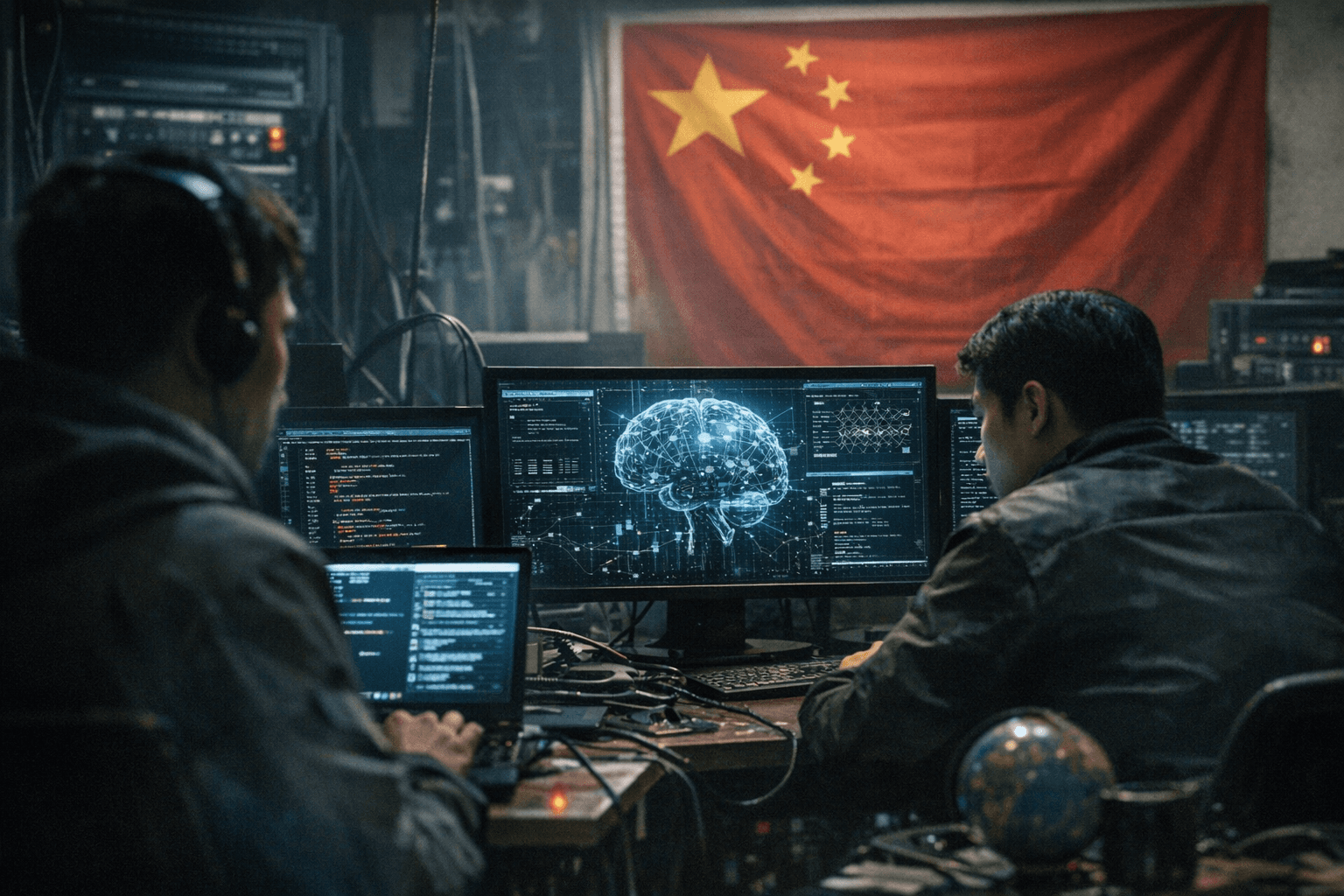
The White House accused China-based actors of carrying out industrial-scale campaigns to copy frontier American AI systems, a move that turns model theft into a national-security and economic-competitiveness fight. In a memo dated April 23, 2026, Michael Kratsios, the White House Office of Science and Technology Policy director, said foreign entities, principally based in China, had deliberately sought to distill U.S. AI models and extract proprietary capabilities at scale.
The memo said the campaigns relied on tens of thousands of proxy accounts and jailbreaking techniques to expose protected information inside American systems. It also warned that unauthorized distillation can produce models that look competitive on select benchmarks while costing a fraction of the original systems. Even when the copied models fall short of the originals’ full performance, the memo said, they can still undermine the commercial edge that has made frontier AI one of the most closely watched technologies in the world.
Kratsios framed the issue as a direct threat to U.S. leadership in a field built on decades of research, entrepreneurial risk-taking and hundreds of billions of dollars in annual private investment. The memo said the government will share information with U.S. AI companies about the tactics and actors involved, while also exploring a range of measures to hold foreign actors accountable. It said Washington will work with industry on best practices to identify, mitigate and remediate industrial-scale distillation, drawing a line between legitimate model distillation and what it called unauthorized, malicious exploitation.

The security concern goes beyond economics. The memo warned that unlawfully distilled models could strip away security protocols and undo mechanisms intended to keep systems “ideologically neutral” and “truth-seeking.” That raises the risk that copied systems may not only siphon value from U.S. firms, but also carry forward degraded safeguards into products that appear cheaper and easier to deploy.
The accusation arrives as AI rivalry has become inseparable from broader U.S.-China tensions over chips, intellectual property and strategic technology. It could complicate President Donald Trump’s planned trip to Beijing next month ahead of a summit with Xi Jinping. For Washington, the larger question is whether the United States can protect the proprietary systems that power its AI lead, or whether adversaries will be able to reverse-engineer that advantage faster than policymakers can stop it.
Know something we missed? Have a correction or additional information?
Submit a Tip