White House, Iran clash over progress in nuclear talks
Washington said Iran had accepted technical terms on nuclear inspections, but Tehran said it had made "no new commitments" as a 60-day deal clock ticked.

Washington and Tehran traded sharply different accounts on Tuesday over how far their June nuclear talks had really moved, with Vice President JD Vance saying the sides had resolved technical issues and at least one substantive question while Iranian officials said they had made "no new commitments." The dispute followed an initial agreement on June 18 and a first round of high-level talks in Switzerland on June 21, after planned June 19 meetings were canceled and the path forward looked shaky. Mediators were still pushing for a final deal within 60 days.
Vance, who has served as the lead U.S. negotiator, said the talks had produced progress on technical issues and on international inspection of Iranian nuclear sites. The preliminary agreement also committed Iran to letting the International Atomic Energy Agency supervise the "down-blending" of its stockpile of highly enriched uranium, a step that would reduce the material's readiness for weapons use. Officials in Tehran said the nuclear issue had not yet begun in earnest and that real negotiations on it would come later, leaving the two capitals with different descriptions of the same talks.
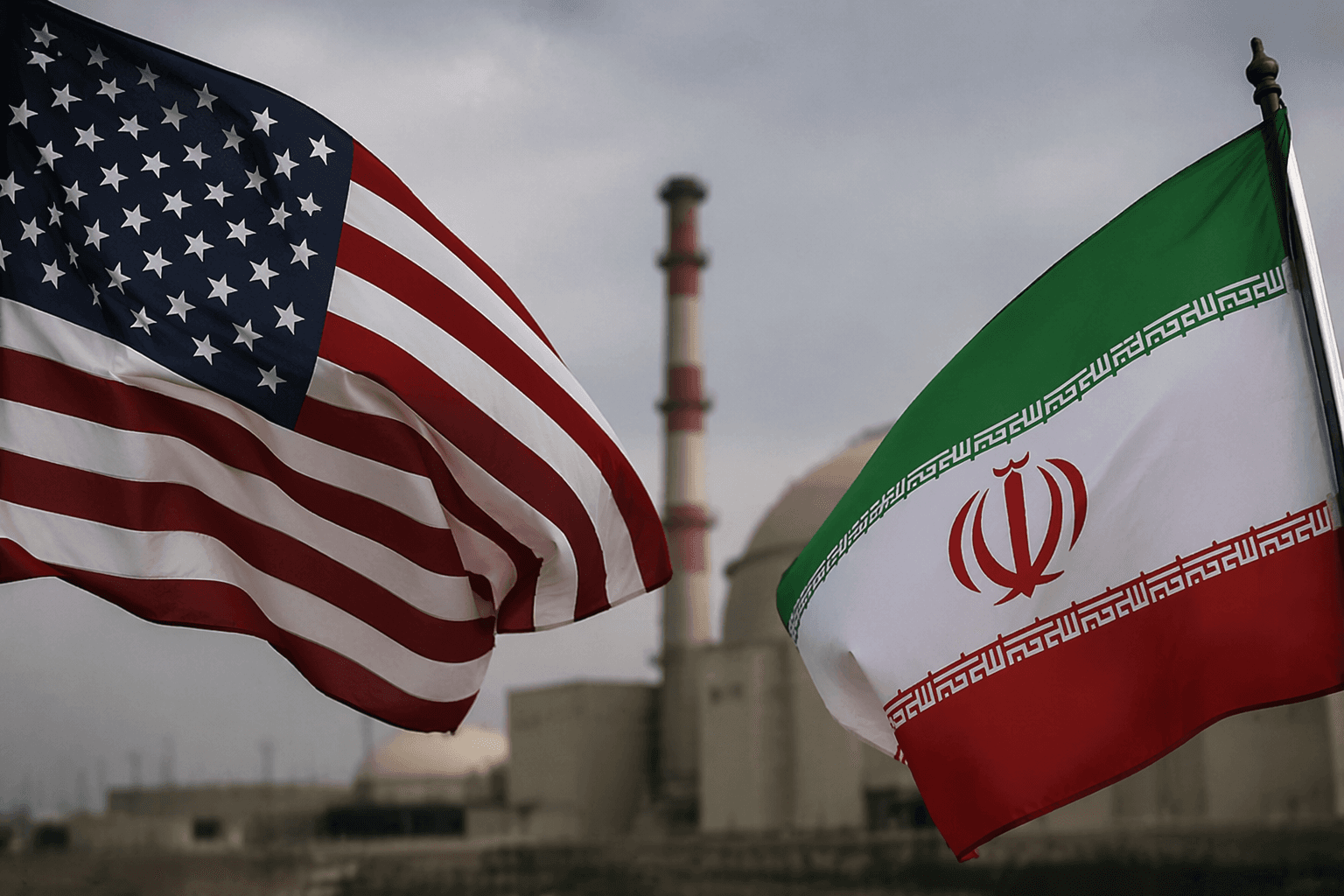
The gap matters because the White House has portrayed the arrangement as a major breakthrough that could end the conflict and foreclose an Iranian bomb. It is also tied to sanctions relief and to reopening the Strait of Hormuz, the narrow waterway that carries a large share of global energy shipments and has become part of the bargaining over any final settlement. Even with those stakes, key details remain unresolved, including how broad inspections would be and how much of Iran's nuclear program would remain intact.

The wider diplomacy grew out of earlier failures. Indirect U.S.-Iran talks collapsed, and snapback sanctions were triggered in October 2025 under the 2015 nuclear deal framework, setting the stage for the renewed negotiations this year. That history helps explain why each side is pressing its own version of events now: Washington can claim forward motion toward stopping an Iranian bomb, while Tehran can insist it has not conceded anything before the hardest issues are settled. For both governments, the argument over progress is already part of the leverage.
This article was produced by Prism’s automated news system from verified source data, official records, and press releases, then run through automated quality and moderation checks before publishing. The system is built and supervised by the people who set the standards it runs under. Read our full AI policy.
Know something we missed? Have a correction or additional information?
Submit a Tip