White House plans $200 million ballroom, cites safety and security needs
The White House tied its $200 million ballroom to safety after the correspondents’ dinner shooting, even as critics say the project raced ahead without proper review.
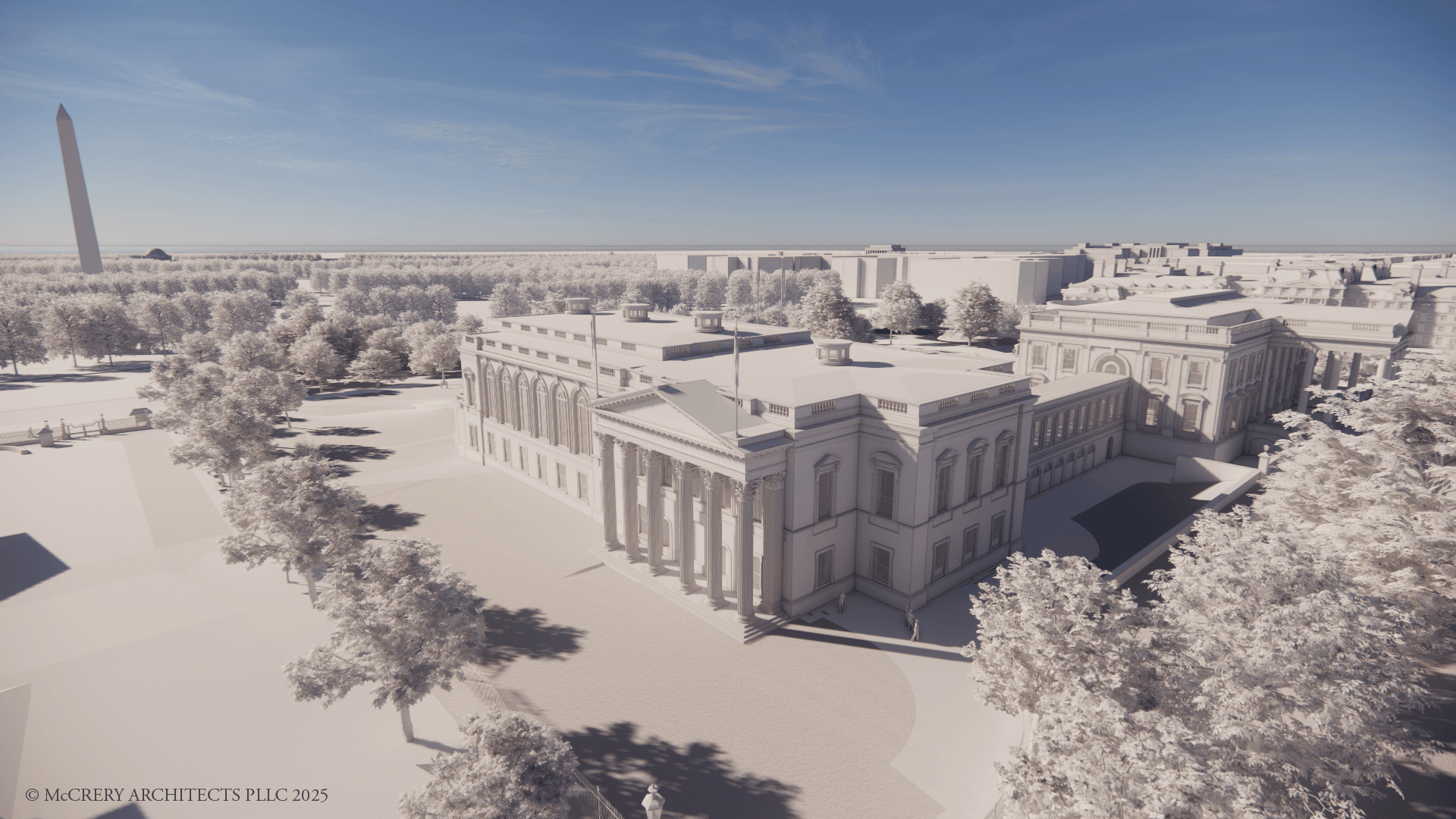
The White House is pushing a $200 million ballroom as a matter of safety, saying the new State Ballroom would be built for the “physical safety and security of all Presidents, their families, staff, Foreign Dignitaries, and guests.” The proposal has become a test of whether a deadly security scare is being used to justify a long-contested construction project at the heart of the complex.
The planned ballroom would add about 90,000 square feet and raise seated capacity to 650 people, far above the East Room’s 200-person limit. The White House said the project would be financed by President Donald Trump and other donors, with construction expected to begin in September 2025. It named McCrery Architects, Clark Construction and AECOM as the lead design, construction and engineering firms, after holding planning meetings with White House staff, the National Park Service, the White House Military Office and the Secret Service.
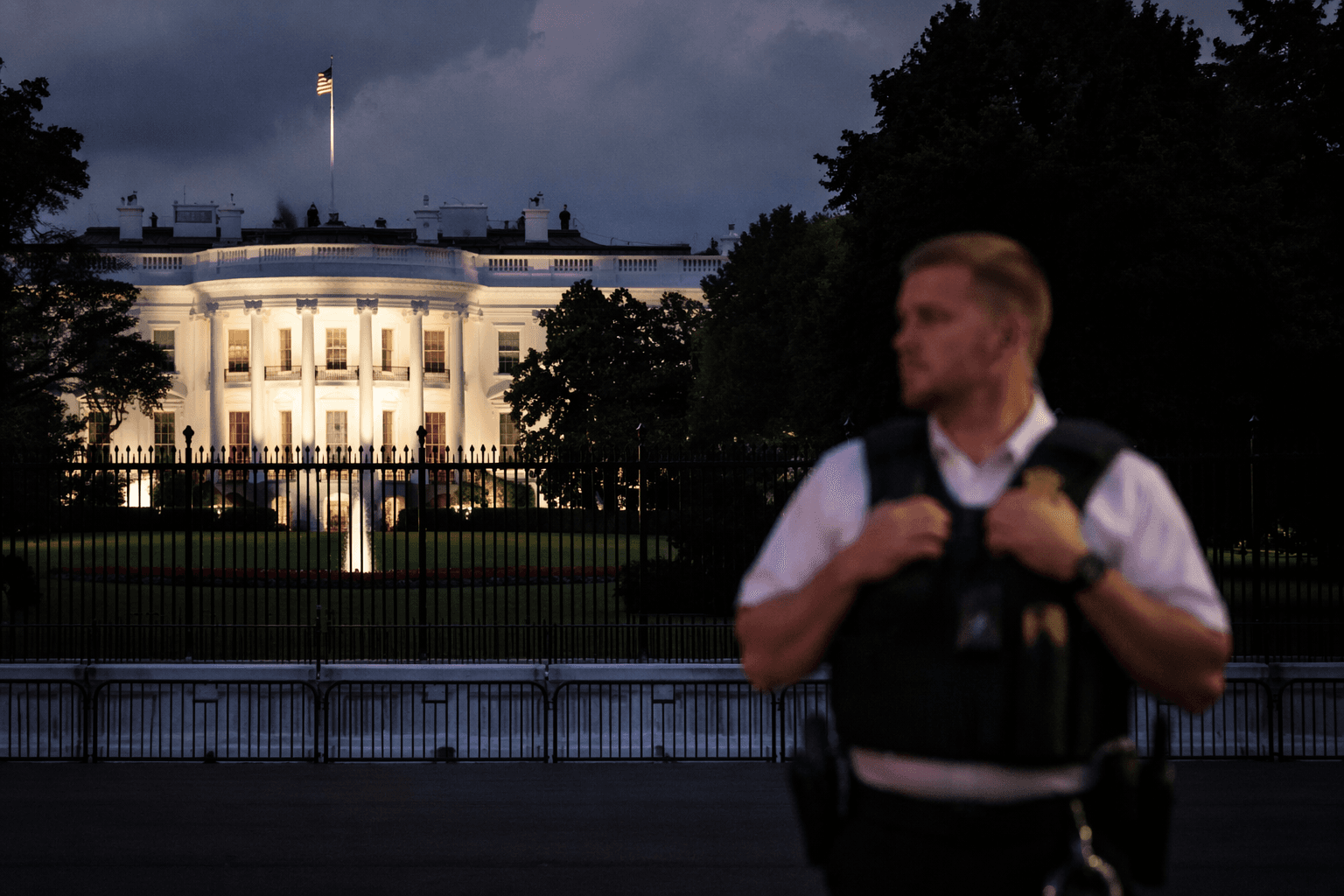
The administration has argued that the current building cannot handle major functions without a large tent placed about 100 yards from the main entrance. It also said the ballroom would replace the site of the East Wing, which was originally built in 1902 and later altered, including a second-story addition in 1942. The White House has tried to cast the plan as consistent with the building’s long history of reinvention, pointing to major renovations under Theodore Roosevelt and Harry Truman and to the State Floor’s traditional use for hosting leaders and dignitaries.
But the project has faced fierce pushback. The National Trust for Historic Preservation sued, alleging the White House moved ahead in late October 2025 without congressional approval, without review by the federal commissions that oversee development in Washington, without environmental studies and without public input. The lawsuit says the East Wing and its colonnade were later completely destroyed and that the site is now a bustling construction zone. The White House countered that the ballroom would be substantially separated from the main building while preserving the estate’s classical design and historical heritage.
The security argument sharpened after the April 25, 2026 shooting at the White House Correspondents’ Association Dinner. The Justice Department charged Cole Tomas Allen, 31, of Torrance, California, with attempted assassination of the president, interstate transportation of a firearm and ammunition with intent to commit a felony, and discharge of a firearm during a crime of violence. DOJ said Allen had reserved a room at the Washington Hilton for April 24-26, 2026 and checked in on April 24. After the attack, Blanche said the alleged shooter was stopped because of the “courage and professionalism” of law enforcement officers, while DOJ and the FBI said the response prevented an unimaginable tragedy. The dinner was thrown into chaos and panic, Trump and other officials were evacuated, and the shots were fired outside the ballroom area at the Washington Hilton.
This article was produced by Prism’s automated news system from verified source data, official records, and press releases, then run through automated quality and moderation checks before publishing. The system is built and supervised by the people who set the standards it runs under. Read our full AI policy.
Did this article answer your question?

