Whitehouse and Khanna revive oil windfall tax after Iran war price spike
Whitehouse and Khanna revived a Big Oil windfall tax as gasoline jumped 80 cents a gallon, proposing rebates of $216 for singles and $324 for couples.

Sen. Sheldon Whitehouse and Rep. Ro Khanna reintroduced the Big Oil Windfall Profits Tax Act on March 17, 2026, as gasoline prices climbed about 80 cents a gallon after the Iran war began and crude rose more than 50% from the start of the year. Their pitch is straightforward: if the conflict has inflated oil company profits, some of that upside should be returned to households rather than left entirely with shareholders.
The bill would apply to large oil companies that produce or import at least 300,000 barrels a day, while smaller firms that account for roughly 70% of domestic production would be exempt. It would also return revenue to consumers through rebates that phase out above $75,000 for single filers and $150,000 for joint filers. In Whitehouse’s summary, the levy could raise about $33 billion a year if oil is priced near $100 a barrel, with estimated annual rebates of about $216 for single filers and $324 for joint filers.

That math captures the political tradeoff now surrounding windfall taxes: the benefits would be concentrated among lower- and middle-income households, but the checks would be modest compared with the scale of the price shock. Even at the $100 oil assumption, the rebate would not come close to offsetting a year of higher fuel costs for many drivers, while opponents argue the tax could discourage production and investment at a moment when supply is already under stress.
Whitehouse’s office has tried to frame the bill as a response to repeated episodes of crisis profits, arguing that the current surge echoes the gains oil majors booked during the pandemic and after Russia’s invasion of Ukraine. ExxonMobil’s 2022 profit of $77.8 billion, more than double its 2021 profit, has become part of that case. In June, Whitehouse and Sen. Elizabeth Warren sought information from seven major oil companies after publicly traded oil firms posted more than $40 billion in first-quarter 2026 profits, a period that included the opening weeks of the Iran war.
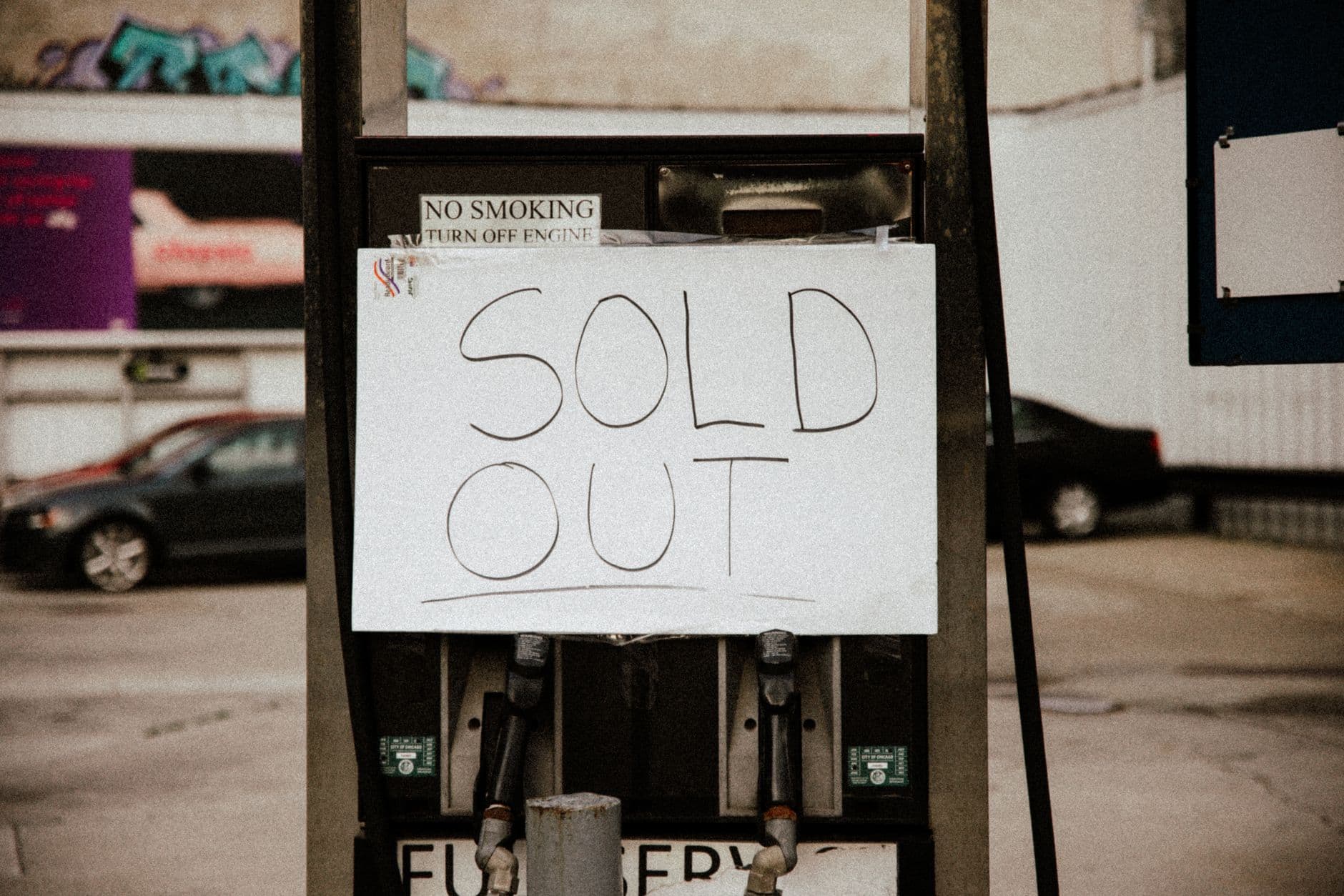
The effort is not limited to Whitehouse and Khanna. Rep. Brad Sherman introduced the Iran War Oil Crisis Windfall Profits Tax Act on May 12, 2026, calling for a 100% windfall tax on U.S. oil companies until hostilities with Iran end, the Strait of Hormuz fully reopens and West Texas Intermediate crude falls below $75 a barrel. Sherman said the money should be rebated to taxpayers, underscoring a debate now dividing Democrats over whether wartime oil profits should be taxed, restrained or simply left to the market.
This article was produced by Prism’s automated news system from verified source data, official records, and press releases, then run through automated quality and moderation checks before publishing. The system is built and supervised by the people who set the standards it runs under. Read our full AI policy.
Did this article answer your question?


