No body cameras in fatal ICE shootings fuels transparency demands
Two fatal ICE shootings in Houston and Biddeford happened without body cameras, despite DHS’s February pledge and a later $20 million congressional infusion.

None of the federal officers involved in two fatal July ICE shootings were wearing body cameras, the Department of Homeland Security said. The shootings, in Houston, Texas, and Biddeford, Maine, intensified scrutiny of a body-camera rollout DHS promised months earlier after two U.S. citizens were killed in Minneapolis.
DHS Secretary Kristi Noem said on Feb. 2, 2026, that the body-camera program would be expanded nationwide as funding became available. Congress later provided DHS $20 million in April 2026 for the procurement, deployment and operations of body-worn cameras for immigration-enforcement officers, and a Congressional Research Service report said a House-passed provision would require a spending plan within 30 days of enactment.
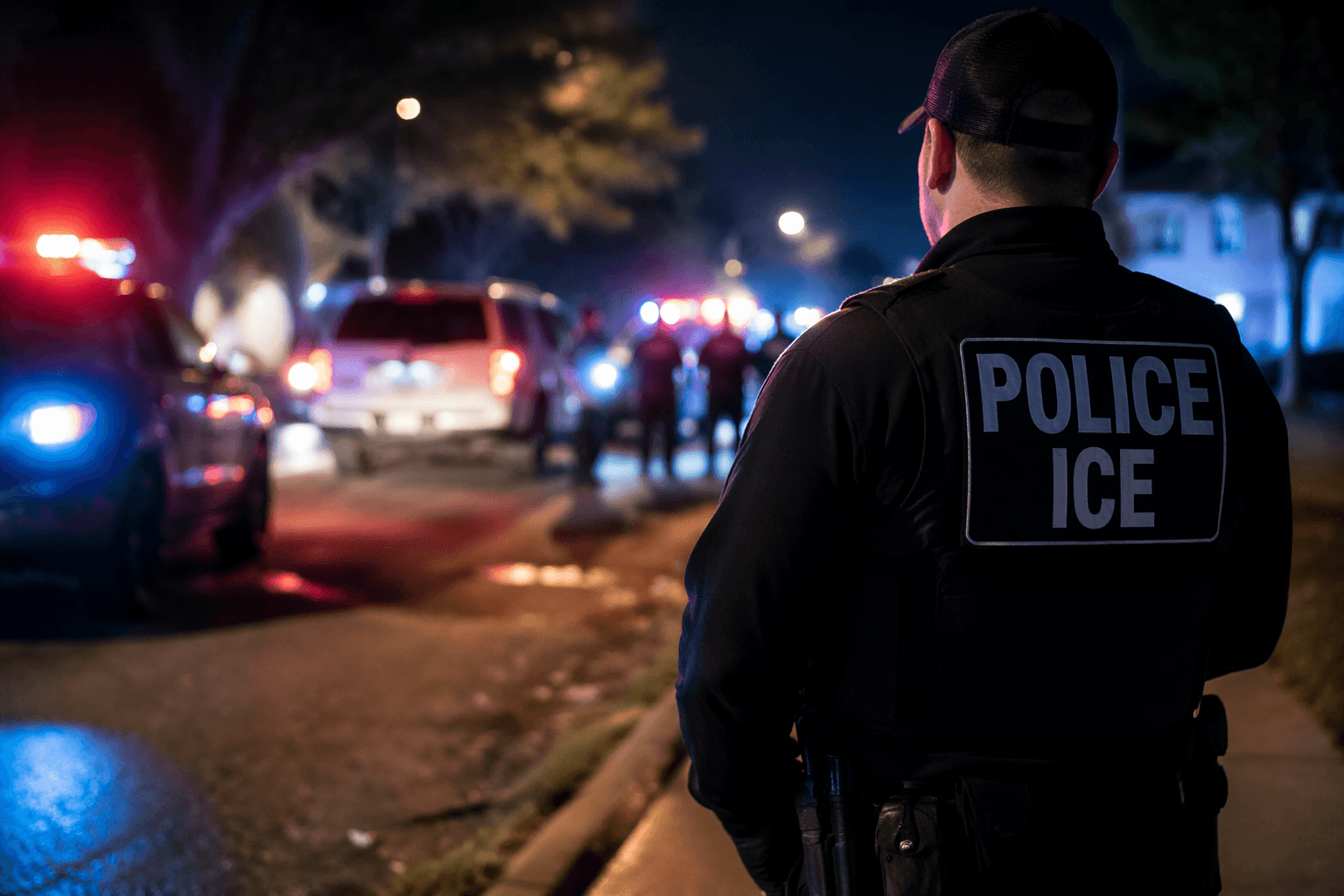
That timeline now sits at the center of the backlash over the July shootings. In Houston, ICE said Lorenzo Salgado Araujo allegedly used his vehicle in an attempted escape before the shooting. In Biddeford, the fatal encounter involved Joan Durán Guerrero. DHS said neither incident was recorded on officers’ body-worn cameras, leaving local leaders and immigrant-rights advocates to press for independent evidence to explain how both men died.
Houston Democrats, including Rep. Sylvia Garcia, demanded complete, unedited body-camera footage, dashcam footage and confirmation that DHS and ICE will work with state and local agencies. The absence of footage, they said, undercuts any meaningful review of the deadly encounter and leaves the public dependent on agency accounts that cannot be independently tested.
In Maine, Sen. Susan Collins, along with Sens. Angus King and Reps. Chellie Pingree and Jared Golden, asked DHS Office of Inspector General Joseph V. Cuffari for a comprehensive, transparent and expedited investigation. Collins said the Biddeford shooting showed how imperative a body-worn-camera mandate is, placing the issue squarely on DHS’s failure to move faster after its own pledge.
DHS has since said every ICE arrest team will have at least one law-enforcement officer equipped with a body-worn camera going forward. For immigrant communities in Houston, Biddeford and beyond, the delayed rollout has sharpened concerns that the agency moved into deadly encounters without the transparency tool it had already promised.
This article was produced by Prism’s automated news system from verified source data, official records, and press releases, then run through automated quality and moderation checks before publishing. The system is built and supervised by the people who set the standards it runs under. Read our full AI policy.
Did this article answer your question?

