Sonam Wangchuk's hunger strike fuels India education reform protest
Sonam Wangchuk's 19-day fast at Jantar Mantar pushed a student protest over exam leaks into national politics, with the Delhi High Court ordering daily health checks.

Sonam Wangchuk’s hunger strike at Jantar Mantar had entered its 19th day on July 16, with the Delhi High Court ordering daily monitoring of his health and medical assistance when needed as the protest he joined drew deeper national attention. The 59-year-old engineer, education reformer and climate activist from Ladakh stepped into a student-led camp that had been running since June 20 under the banner of the Cockroach Janta Party, a youth-driven satirical movement that has targeted India’s education system and the political response to it.
Wangchuk began an indefinite fast on June 28 in New Delhi, joining demonstrators demanding the resignation of Union Education Minister Dharmendra Pradhan over alleged exam irregularities and repeated paper leaks, especially the NEET-UG medical entrance exam controversy. Some protesters also sought 1 crore compensation for families of students who allegedly died by suicide after exam-related distress, a demand that has widened the scope of the agitation beyond testing and into student welfare, accountability and government oversight.
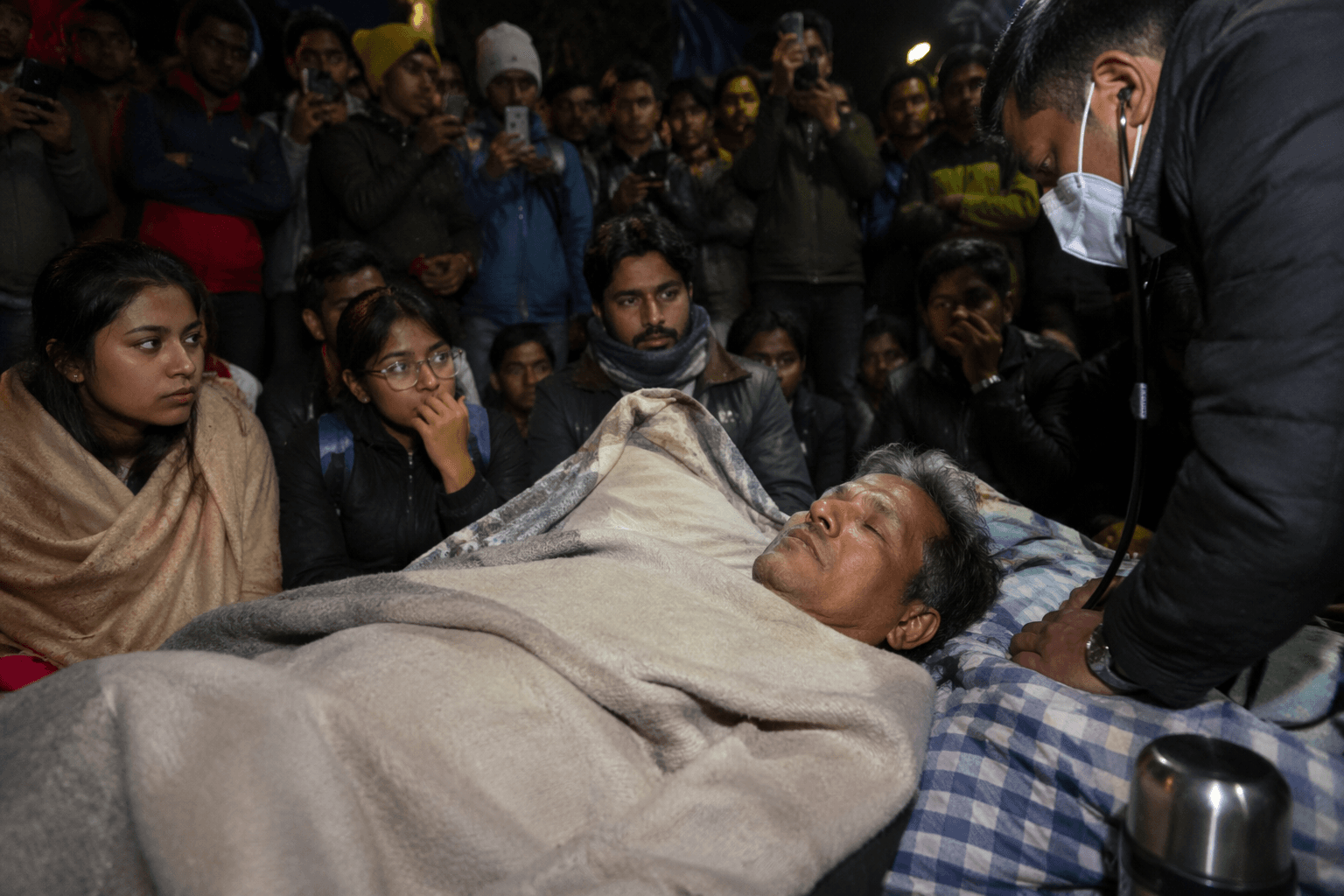
His condition became part of the story. Reports said Wangchuk had lost more than 7 kg, with one account putting the total at 7.8 kg, while doctors reported falling blood pressure, low blood sugar, muscle wasting and increasing weakness. The court moved as the fast lengthened, and the Union government had not publicly responded by mid-July.
The protest has also pulled Ladakh’s long-running political demands into the same frame. Wangchuk has backed calls for statehood and Sixth Schedule safeguards for Ladakh since the region was carved out as a Union Territory in 2019. During negotiations earlier in 2026, activists said the Centre had offered constitutional protection under Article 371 instead of Sixth Schedule status, but the talks did not produce a final agreement.
What began as an online, Gen Z-style satire campaign has now drawn support from opposition leaders, civil society voices and some Bollywood celebrities, while regional politicians have also reached out to Wangchuk to express concern and backing. With the protest camp still in place at Jantar Mantar, the movement has moved well beyond a campus grievance, becoming a test of how far student anger, and one veteran activist’s sacrifice, can push India’s political establishment.
This article was produced by Prism’s automated news system from verified source data, official records, and press releases, then run through automated quality and moderation checks before publishing. The system is built and supervised by the people who set the standards it runs under. Read our full AI policy.
Did this article answer your question?

