Trump administration proposes fencing Lafayette Square Park near White House
Trump's fence plan would ring Lafayette Square with gates and reignite a fight over security, access and protest rights at the White House's front door.
The 79-page Trump administration proposal for a permanent fence around Lafayette Square Park was set for review Thursday by the U.S. Commission of Fine Arts, the federal panel that oversees construction design on government land in Washington. The proposal would fence the 8-acre park north of the White House all the way around, with gates at the north and south entrances and options to include or exclude the four monuments at the corners.
The design would let the Secret Service and White House open and close sections as security needs demand, while limiting public access when law enforcement decides it is necessary. The administration is also considering reusing fencing already deployed for major events and security operations, and no contractors had been hired as of July 10. The proposed barrier would sit near 15th and 17th Streets NW along Pennsylvania Avenue.
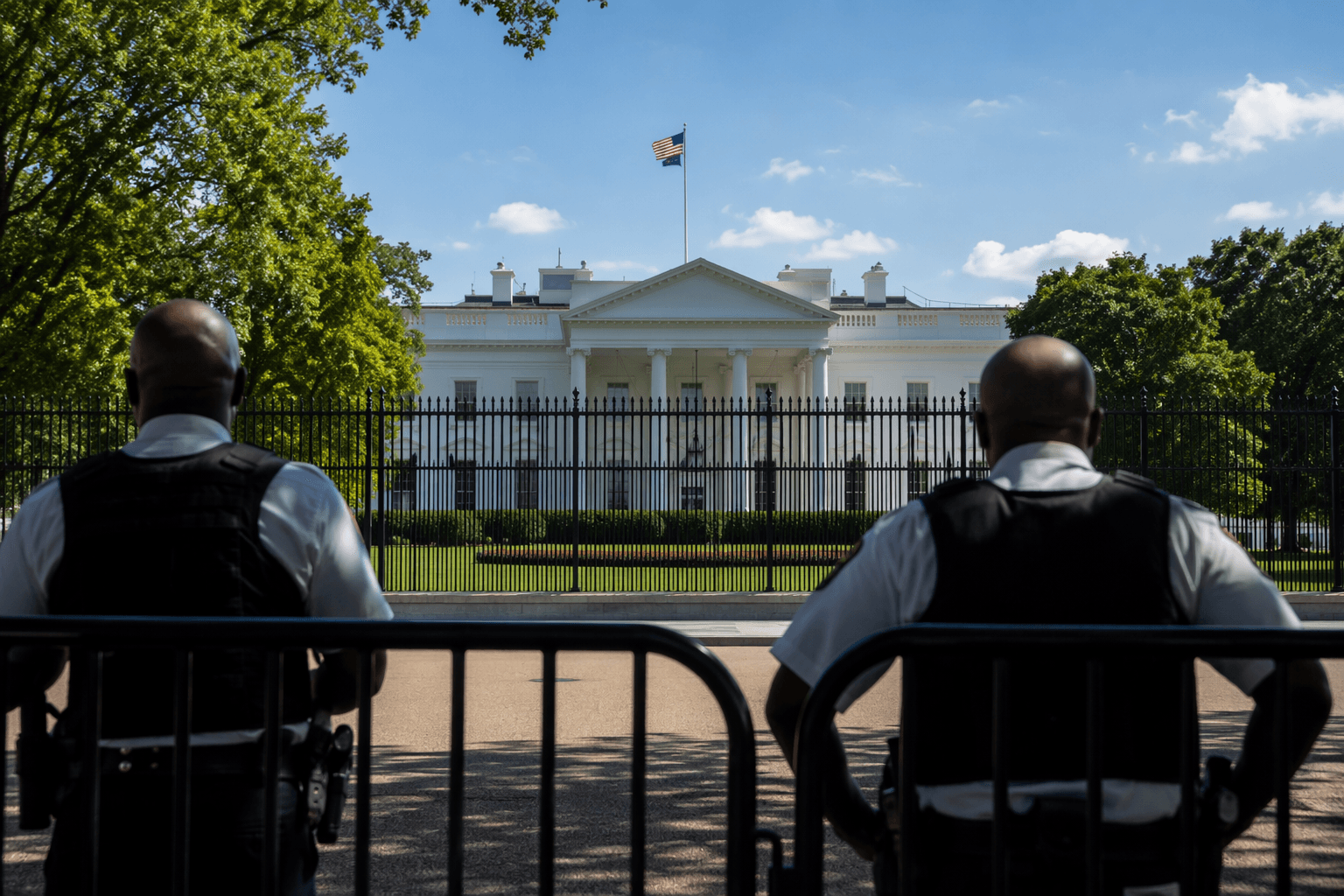
The proposal follows several security concerns around the White House complex. On May 23, Secret Service officers fatally shot a man near the 17th Street entrance after he opened fire near a security checkpoint, and a bystander was injured. It also follows a temporary and partial closure of parts of Lafayette Park and the White House sidewalk from January 19 through May 31 for restoration work tied to the semiquincentennial, including irrigation lines, historic fountain repairs, new pumping systems, tree replacement, hardscape installation, replacement benches and turf replacement. The Secret Service requested the closure to create a secure staging area and maintain enough stand-off distance during construction.
Lafayette Park last had a permanent fence in the late 1800s, and the site has long been one of the most visible stages for protest in the United States. For more than a century, thousands of Americans have gathered there across from the White House, and the square has been central to civil rights, anti-war, suffrage and later demonstrations tied to the civil rights movement, women’s rights, LGBTQ rights, indigenous peoples’ rights and American interventionism.
Donald Trump and Interior Secretary Doug Burgum toured the park together shortly before the proposal became public, after Trump said in June that work at Lafayette Park would be completed very shortly. Congresswoman Eleanor Holmes Norton said she intends to introduce legislation to prohibit permanent fencing at Lafayette Square, arguing that the square belongs to the people and should remain open. Norton has also said the White House already has a 13-foot-high fence and that security should be achieved with the least restrictive means possible.
This article was produced by Prism’s automated news system from verified source data, official records, and press releases, then run through automated quality and moderation checks before publishing. The system is built and supervised by the people who set the standards it runs under. Read our full AI policy.
Did this article answer your question?


