WHO Chief Warns of Deplorable Consequences if Pandemic Agreement Fails
Tedros Adhanom Ghebreyesus urged nations to treat health security as seriously as defense, pushing back hard against claims WHO threatens sovereignty.
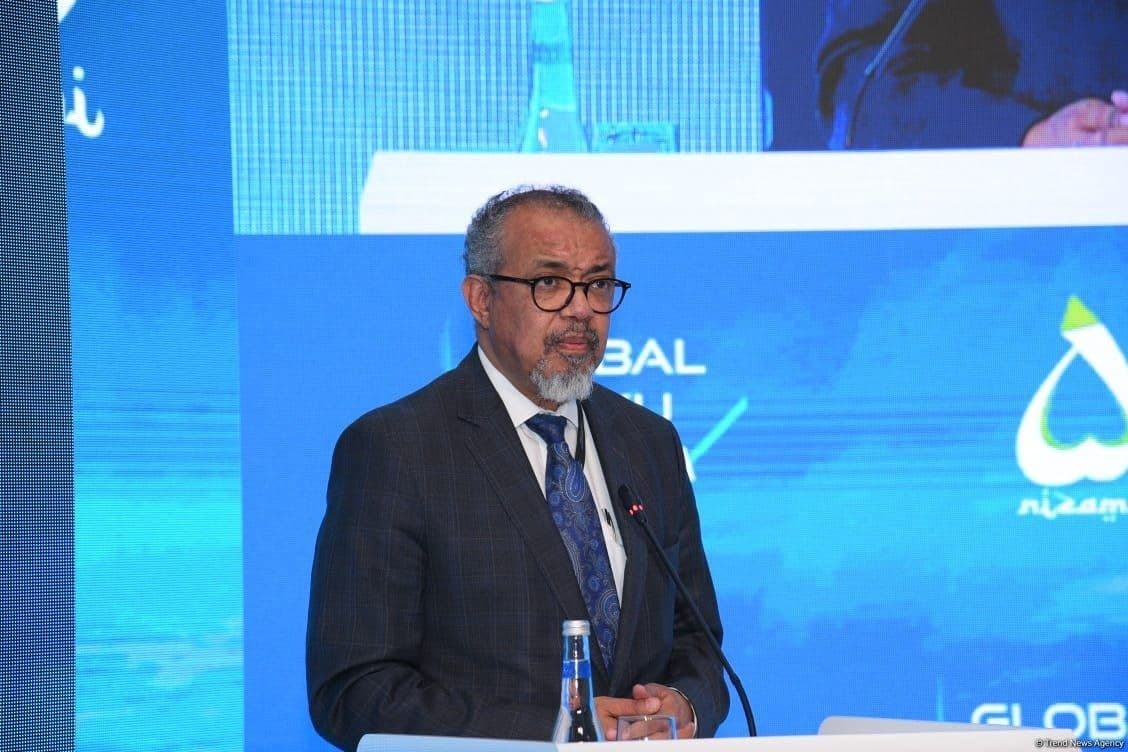
WHO Director-General Tedros Adhanom Ghebreyesus warned Thursday that the world faces "deplorable" consequences if negotiators fail to finalize a global pandemic agreement, using a high-profile international forum in Baku to press world leaders on one of global health's most consequential unfinished negotiations.
Speaking at the opening ceremony of the Global Baku Forum in Azerbaijan, organized by the Nizami Ganjavi International Centre and attended by roughly 400 current and former world leaders, ministers, and Nobel laureates, Tedros made an unambiguous case for multilateral health cooperation at a moment when that very idea is under strain.
"The entire planet is at risk when healthcare is involved," Tedros said. "We have seen how the pandemic has raised international geopolitical tensions. The question for today is: have we been able to draw any conclusions from the events? The 194 member states of WHO are now in negotiations over how best to handle the pandemic going forward. There are important areas where consensus has not yet been reached."
That lack of consensus is a source of visible urgency for the WHO chief. Negotiations over a pandemic accord have stretched across years, and Tedros has grown increasingly direct about what failure would mean. "If the opportunity to conclude a pandemic agreement is lost, the consequences could be deplorable," he said.
The remarks also served as a pointed rebuttal to arguments that have gained political traction in several countries, particularly the claim that WHO's authority encroaches on national decision-making. Tedros rejected the framing without qualification. "The claim that the World Health Organization threatens national sovereignty is a complete lie," he said.
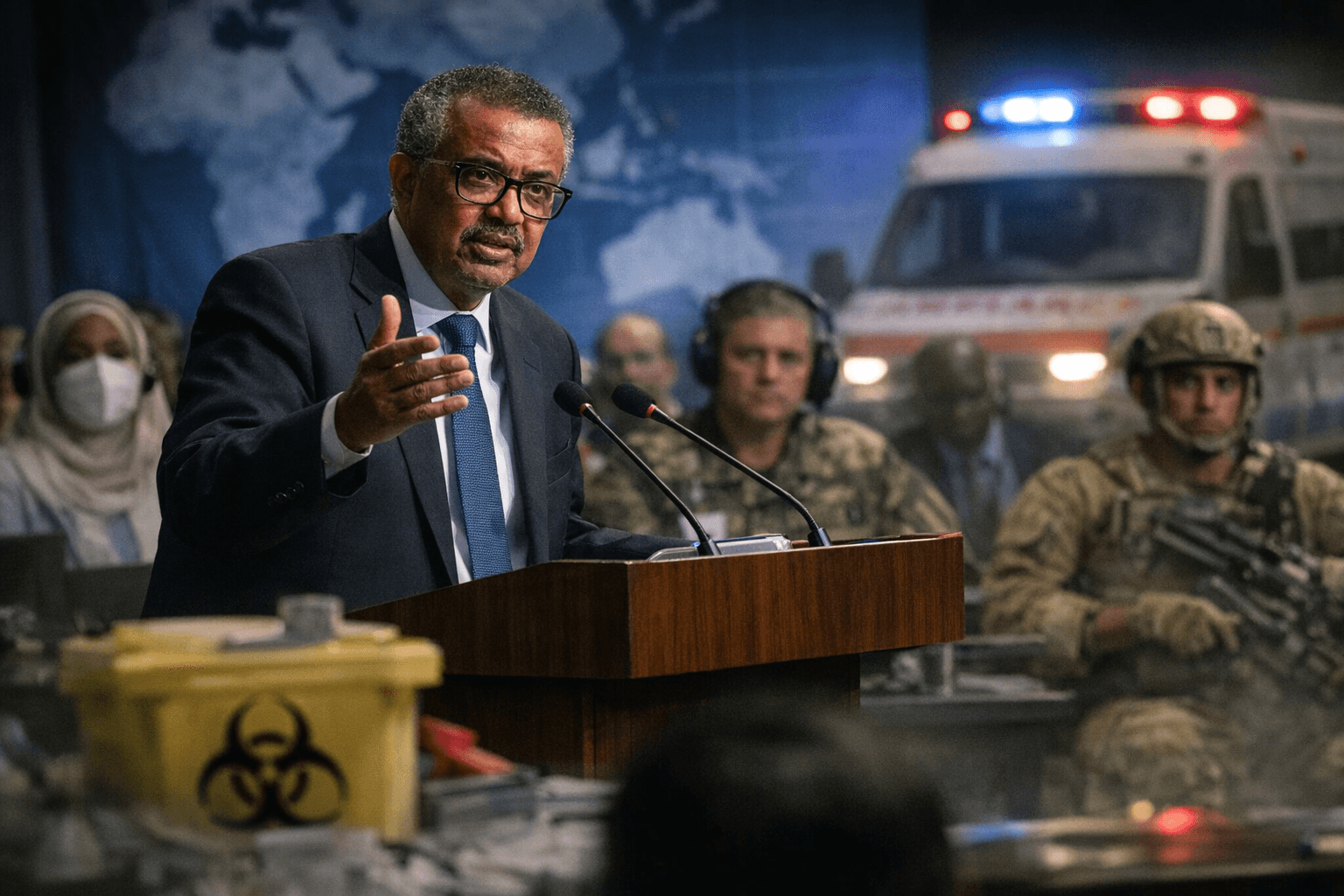
Beyond defending the institution, Tedros used the forum to call for a fundamental reorientation in how governments allocate resources. Nations should invest in health security with the same seriousness applied to defense spending, he argued, and should support stronger multilateral mechanisms for pandemic preparedness and pathogen sharing. The parallel to defense spending is deliberate: it frames biological threats not as peripheral health concerns but as core national security risks deserving commensurate political will and funding.
The message lands at a complicated moment. International cooperation on health has frayed since the COVID-19 pandemic exposed deep fault lines over vaccine equity, data sharing, and the pace of WHO's early response. The pandemic agreement under negotiation is designed to address those failures, but disagreements among member states over intellectual property, pathogen access, and national sovereignty provisions have repeatedly stalled progress.
Baku's Global Baku Forum, a gathering that convenes senior political figures and thought leaders from across regions, offered Tedros a platform outside the formal UN system to make his case directly to the kind of officials whose governments hold the pandemic negotiations in their hands.
The stakes of those negotiations extend well beyond bureaucratic process. A world without a binding multilateral framework for pandemic response is a world in which the inequities of COVID-19, where wealthy nations hoarded vaccines while lower-income countries waited, are not structural failings to be corrected but a permanent feature of the global health order.
This article was produced by Prism’s automated news system from verified source data, official records, and press releases, then run through automated quality and moderation checks before publishing. The system is built and supervised by the people who set the standards it runs under. Read our full AI policy.
Did this article answer your question?