WHO confirms two Nipah infections in West Bengal; regional screening stepped up
WHO confirmed two lab‑confirmed Nipah cases in West Bengal, both nurses; authorities traced 196 contacts and neighboring countries tightened entry screening.
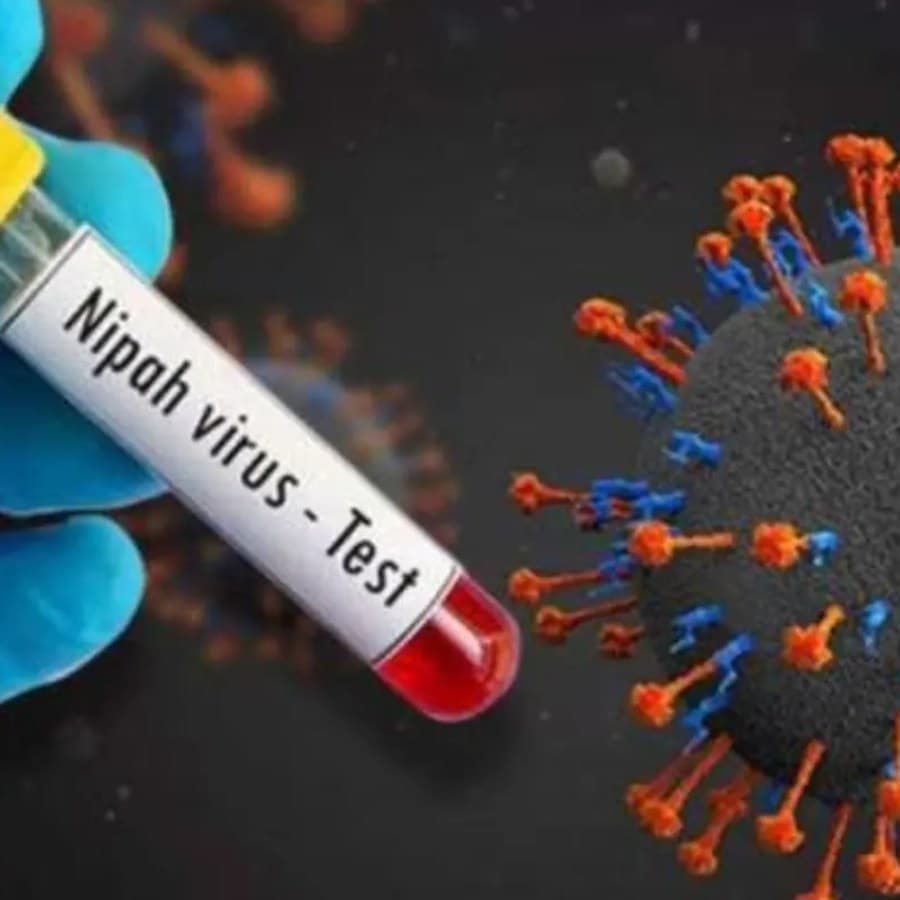
The World Health Organization has confirmed two laboratory‑verified infections of Nipah virus in West Bengal, India, in two 25‑year‑old nurses who developed symptoms in late December 2025. Indian laboratories identified the cluster in January and public health teams mounted contact tracing and intensified infection control measures in affected facilities.
The cases were first flagged as suspected by the Viral Research and Diagnostic Laboratory at a government hospital in Kalyani on Jan. 11, and were confirmed by India’s National Institute of Virology in Pune on Jan. 13. WHO published an update on Jan. 29 confirming the two infections and noting ongoing monitoring of the situation.
Local officials say the two nurses worked at the same private hospital in Barasat. The chief district medical officer in West Bengal told reporters that the male patient is “doing well and likely to be discharged from hospital soon,” while the female patient “remains critical and under treatment.” WHO’s reporting noted differing clinical courses: “WHO reports 1 patient improving, whereas the other remains critically ill, and it characterizes the subnational risk in West Bengal as moderate but national and global risk as low.”
As part of the public health response, authorities identified, traced, monitored and tested 196 contacts linked to the two cases; all tested negative as of Jan. 27. India’s health ministry issued a statement saying: “Enhanced surveillance, laboratory testing and field investigations were undertaken... which ensured timely containment of the cases.” The ministry added that “the situation is under constant monitoring, and all necessary public health measures are in place.”

The detection of infections in health care workers prompted hospitals to intensify infection prevention and control practices, and several regional governments tightened screening at ports of entry. Pakistan ordered enhanced screening of arrivals. Vietnam’s Hanoi health department instructed screening of incoming passengers at Noi Bai airport, prioritizing flights from India and West Bengal and using body temperature scanners, while Ho Chi Minh City tightened health controls at international border crossings. Thailand and Nepal also reported heightened surveillance. Indian federal authorities said there was no need for passenger screening at Indian airports and did not recommend travel or trade restrictions.
Nipah virus is a zoonotic pathogen with a history of severe outbreaks in South and Southeast Asia. International health agencies note a high case fatality ratio, cited in reports as ranging from 40 percent to 75 percent, and identify fruit bats as the most likely natural reservoir. Transmission can occur from animals to humans and between people through close contact or exposure to bodily fluids. Symptoms typically begin with fever and respiratory illness and can progress to encephalitis; incubation is generally reported as four to 14 days and severe cases can deteriorate rapidly.
Authorities said surveillance and laboratory testing remain active and that no additional laboratory‑confirmed cases had been detected by the end of the reporting period. Public health officials have underscored the priority of protecting health workers, completing contact follow‑up, and sharing laboratory findings from the National Institute of Virology as investigations continue.
This article was produced by Prism’s automated news system from verified source data, official records, and press releases, then run through automated quality and moderation checks before publishing. The system is built and supervised by the people who set the standards it runs under. Read our full AI policy.
Did this article answer your question?