WHO investigates hantavirus outbreak on cruise ship after three deaths
Three cruise passengers and crew died after hantavirus spread aboard the MV Hondius, while investigators weighed rodent exposure against blame over Ushuaia.
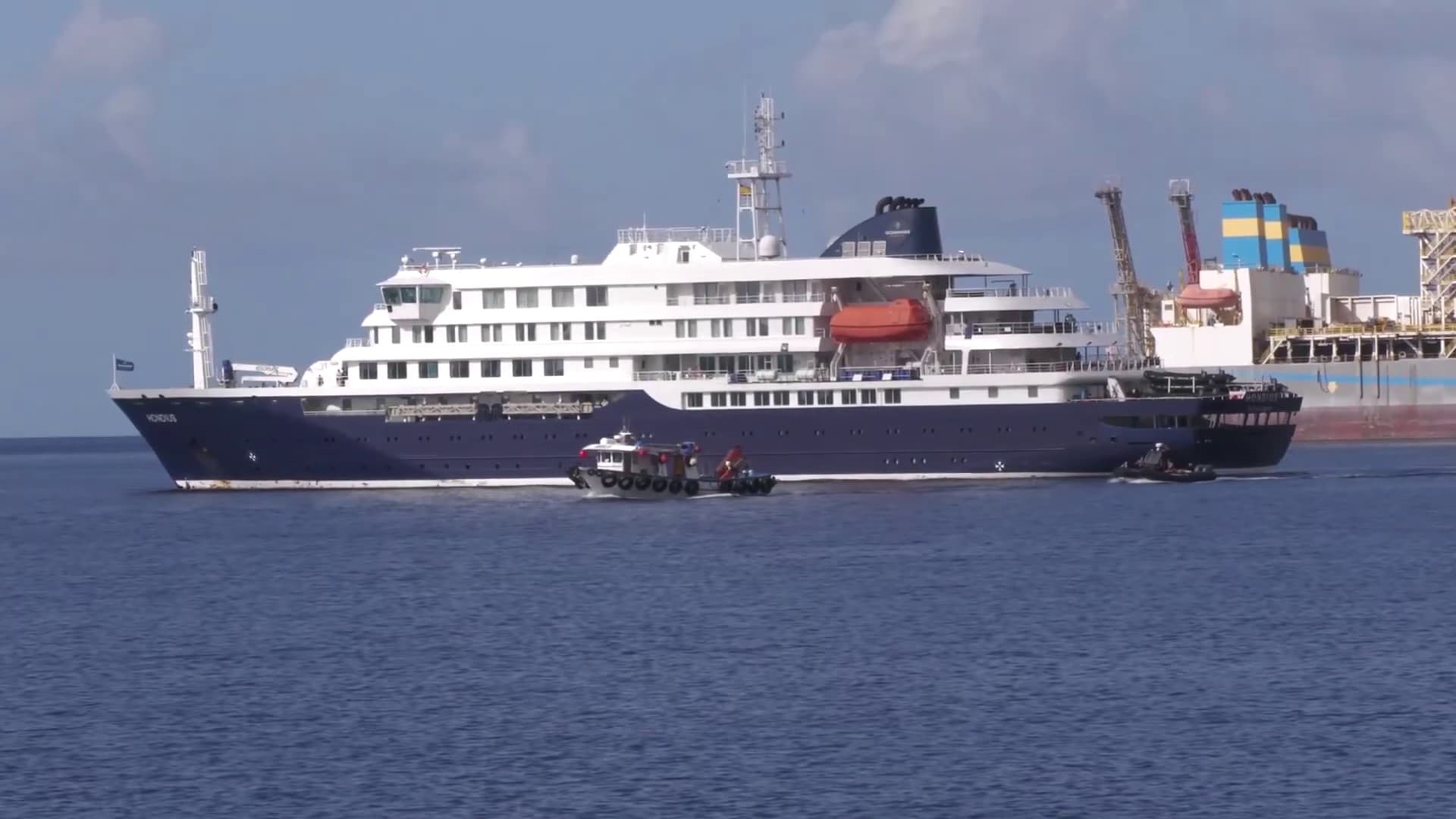
The hunt for the source of a deadly cruise-ship hantavirus cluster has become as political as it is scientific. World Health Organization officials said the global public-health risk remained low, but the inquiry into three deaths aboard the Dutch-flagged MV Hondius was already drawing accusations toward Argentina’s southern gateway to Antarctica.
The cluster was first reported on May 2, 2026, aboard a ship carrying 147 passengers and crew, including 88 passengers and 59 crew members from 23 nationalities. By May 4, the World Health Organization said the outbreak had grown to seven cases in all, with two laboratory-confirmed hantavirus infections and five suspected cases. The illness had begun between April 6 and April 28, and the toll included three deaths, one critically ill patient in intensive care and three people with mild symptoms.
The MV Hondius left Ushuaia, Argentina, on April 1 and traveled through remote parts of the South Atlantic and Antarctic region, including Antarctica, South Georgia, Nightingale Island, Tristan da Cunha, Saint Helena and Ascension Island. As of May 4, the vessel was moored off the coast of Cabo Verde, while investigators tried to determine whether infection took hold before boarding, or whether limited transmission happened aboard ship.
That distinction matters because hantavirus is usually picked up through contact with infected rodents’ urine, feces or saliva. But the Andes virus, the strain that has most alarmed health officials in the southern cone, has also shown limited human-to-human transmission. That unusual trait has made the cruise cluster more difficult to interpret and more urgent to contain.
Argentina’s own history with Andes virus is now shaping the response. Between November 2018 and February 2019, an outbreak in Chubut Province caused 34 confirmed infections and 11 deaths. The earlier episode began in Epuyén, where researchers later tied spread to crowded social contact and person-to-person transmission. World Health Organization data show Argentina recorded 114 confirmed hantavirus deaths from 2013 to 2018, with an overall fatality rate of 18.6% and rates near 40% in some southern provinces.
That record has made Tierra del Fuego a sensitive political flashpoint. Authorities there have pushed back against suggestions that Ushuaia, the cruise hub at the far southern tip of Argentina, caused the outbreak. Argentine health officials are now trying to reconstruct exposure histories, test possible rodent reservoirs and trace every passenger and crew contact that could reveal whether the infection was imported, environmental, or passed between people on board. The answer will determine not only where blame falls, but how far the virus may have traveled.
This article was produced by Prism’s automated news system from verified source data, official records, and press releases, then run through automated quality and moderation checks before publishing. The system is built and supervised by the people who set the standards it runs under. Read our full AI policy.
Did this article answer your question?