WHO Recommends GLP 1 Drugs for Long Term Obesity, Warns Limited Access
The World Health Organization issued its first guideline endorsing GLP 1 receptor agonists such as semaglutide, tirzepatide and liraglutide for long term treatment of adults with obesity, excluding pregnant women. The guidance ties medicines to behavioural interventions and warns that without coordinated policy and procurement actions fewer than 10 percent of eligible people will have access by 2030.
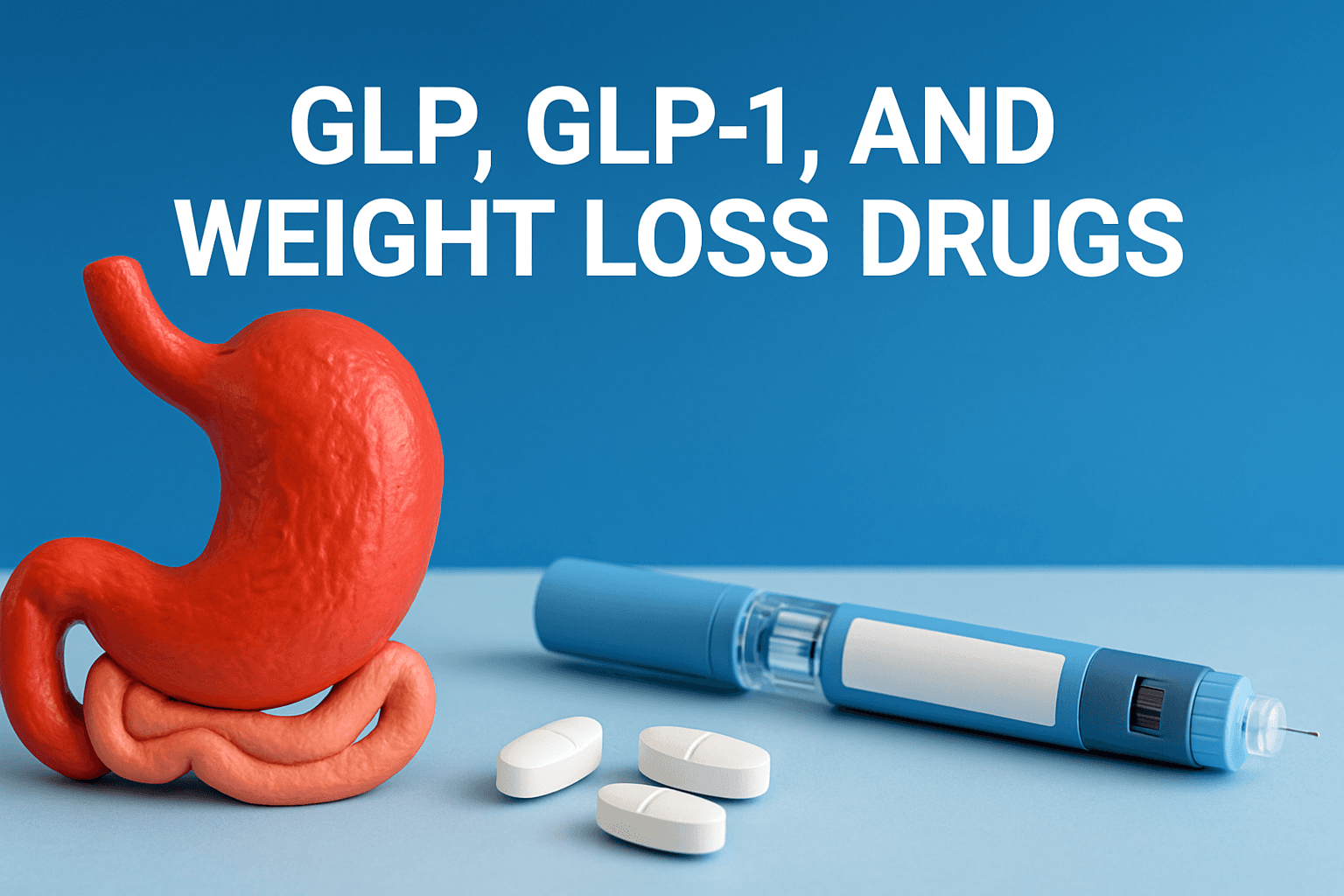
The World Health Organization on December 1 released its inaugural guideline recommending GLP 1 receptor agonists as part of long term treatment for adults with obesity, marking a major shift in the agency's stance toward pharmaceutical management of excess weight. The recommendation is conditional, emphasizing that medicines should be offered in combination with behavioural interventions that include dietary support and increased physical activity, and should exclude pregnant women.
WHO acknowledged important uncertainties in the evidence base, citing gaps in long term safety data, persistent questions about affordability and the uneven capacity of health systems to deliver these therapies equitably. The agency underscored access as the central challenge and projected that, without concerted global action, fewer than 10 percent of eligible people would have access to these drugs by 2030.
Public health experts say the guidance recognizes the growing clinical role of GLP 1 receptor agonists, which have shown substantial weight loss and metabolic benefits in trials. At the same time WHO cautioned that medications are not a standalone solution and stressed the need to pair drug access with programs that address diet, physical activity and broader determinants of health. The guidance builds on earlier WHO steps to add some GLP 1 active ingredients to essential medicines lists for diabetes, a signal intended to inform national procurement and reimbursement decisions.
The WHO document calls for pooled procurement and other policy measures to prevent widening inequities. Low and middle income countries face the prospect of being left behind as wealthier nations expand coverage and secure supply through advance purchase agreements. Without mechanisms to lower prices and allocate supply more fairly, clinicians and public health officials warn that the benefits of new therapies could become concentrated among those who can pay out of pocket or who live in countries with generous health coverage.

Community advocates expressed concern that structural barriers such as cost, limited clinic capacity, and social determinants of health will blunt the population impact of the new recommendation. The WHO projection that most eligible people will be unable to access GLP 1 drugs by 2030 underscores the potential for these therapies to reshape health inequalities unless policy interventions are implemented to broaden access.
Implementing the guidance will require countries to weigh budgetary trade offs, strengthen primary care systems, train clinicians in integrated obesity management and design programs that prioritize underserved populations. WHO advised governments and international partners to consider pooled purchasing, price negotiation, and regulatory steps that preserve access while monitoring safety and long term outcomes.
The guidance represents a turning point in the global conversation about obesity as a chronic condition that may warrant sustained medical therapy for some people. It also highlights a persistent policy dilemma: advances in medical treatment can improve outcomes, but without deliberate equity focused strategies they can also deepen disparities in health.
This article was produced by Prism’s automated news system from verified source data, official records, and press releases, then run through automated quality and moderation checks before publishing. The system is built and supervised by the people who set the standards it runs under. Read our full AI policy.
Did this article answer your question?