WHO urges Uganda to rethink Congo border closure over Ebola outbreak
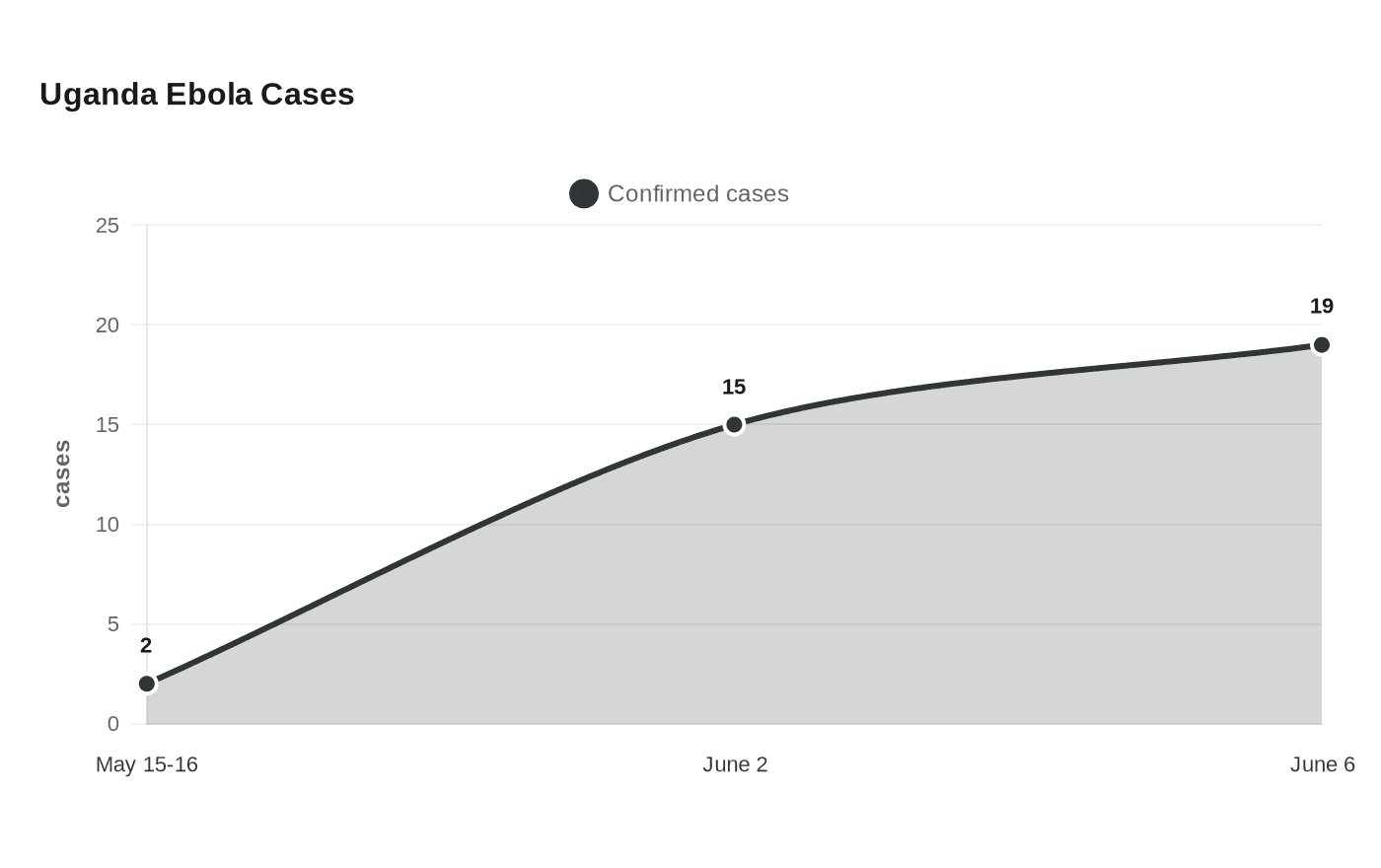
Uganda’s Congo border closure is squeezing traders and aid even as WHO says Ebola control needs surveillance, not blanket bans. The outbreak has reached 19 confirmed cases in Uganda.

Uganda’s border closure with the Democratic Republic of Congo has turned into a test of whether Ebola is best fought with precision or with a hard seal on the frontier. At Mulago National Referral Hospital in Kampala, World Health Organization Director-General Tedros Adhanom Ghebreyesus urged Uganda to rethink the shutdown, saying the country’s response had been fast and capable but that blanket travel restrictions are a poor tool for containing outbreaks.
The dispute comes as the WHO has declared the Ebola event a public health emergency of international concern. The outbreak is caused by Bundibugyo virus disease, a rare Ebola strain, and the agency said international spread had already been documented after two confirmed cases were reported in Kampala on May 15 and 16 among travelers from Congo. In its latest update, the WHO said that as of June 6, Congo had recorded 515 confirmed cases and 91 confirmed deaths, while Uganda had reported 19 confirmed cases, including two deaths and one probable death that also ended in death. Uganda’s health ministry had reported six new cases on June 2, bringing the national total at that point to 15.

Uganda’s border closure took effect on May 28 after the National Task Force on Ebola Response, chaired by Vice President Jessica Alupo, announced tighter controls the day before. The restrictions were aimed at limiting spread from Congo, but the policy has already exposed the costs of treating a public health emergency as a border-security problem. The International Organization for Migration warned on June 2 that border closures alone can drive movement underground and raise transmission risk, undercutting the surveillance that health officials say is essential for finding contacts, tracing infections and keeping treatment centers supplied.
The pressure is visible at Mpondwe, Uganda’s top border post for informal exports, which were valued at an estimated $131 million in 2023. Traders have said long lines of cargo trucks are threatening plantains and fish with spoilage, while shops and casual work tied to the crossing have been disrupted. The shutdown has exceptions for emergency, humanitarian, cargo, security and outbreak-response cases, but the wider impact still reaches families, patients and small businesses that rely on daily cross-border movement.
Uganda is also pairing the closure with direct help across the border. The government is preparing to deploy 80 health workers and set up two temporary Ebola treatment clinics in Congo, a sign that Kampala knows containment cannot depend on a single checkpoint. For health authorities, the harder question is whether the border wall will slow the virus more effectively than coordinated surveillance, treatment and community trust.
This article was produced by Prism’s automated news system from verified source data, official records, and press releases, then run through automated quality and moderation checks before publishing. The system is built and supervised by the people who set the standards it runs under. Read our full AI policy.
Know something we missed? Have a correction or additional information?
Submit a Tip