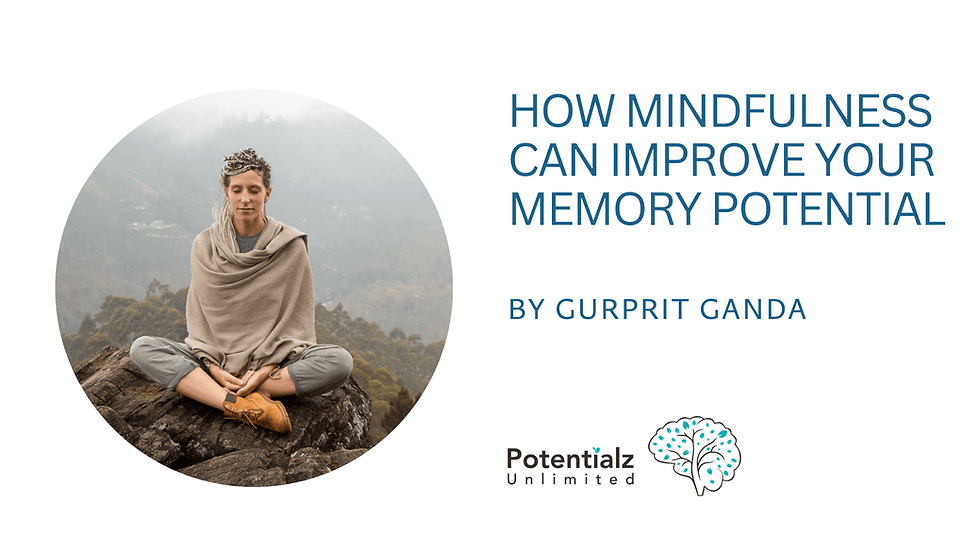
Why Doing Nothing Might Be the Most Radical Mindfulness Practice
Writer Sunil Badami lays bare a familiar modern dilemma: chronic overwork, insomnia and an inability to rest even when time allows. His account connects personal exhaustion to national work habits, falling productivity and the real benefits of intentional unstructured time for mental health and mindfulness practice.

Sunil Badami, a writer, academic and broadcaster, describes a common scene for many in the mindfulness community: waking at 4am to answer emails, working 50 to 70 hours some weeks, and carrying so much accrued time in lieu that he must take seven weeks off over summer. He admits to telling people he is "busy! So busy!" even as he longs to be lazy and finds himself unable to do nothing without guilt.
Badami’s personal metaphor is vivid: a dream of digging a hole on the beach only to watch the tide and sand refill it faster than he can work. The image captures a paradox many readers will recognize, the harder you push to clear the list, the more it grows. He links that sense of futility to broader patterns: Australians work among the longest hours in the developed world, many doing up to two months of unpaid overtime, while productivity has steadily slowed over the past 50 years and dropped sharply since the 1990s.
The practical stakes are clear. Persistent busy-ness has measurable costs to physical and mental health, and it erodes the restorative effects that genuine rest and unstructured time provide. Badami reminds readers that doing nothing can prevent burnout and refresh mind, body and spirit much like sleep does. He also points to traditions that valued withdrawal and stillness, sages, monks and hermits who found insight through apparent inactivity, and to psychology’s flow state, where absorption in the present produces a loss of time and a strong sense of fulfilment.
For mindfulness practitioners, Badami’s account is both a warning and an invitation. Doing nothing is not passive or easy; it requires resisting the rush of negative thoughts and to-dos, a discipline comparable to meditation. Badami suggests the antidote may be to stop trying so hard to relax and to allow moments of non-doing to occur naturally. He plans to answer the next question about his summer plans simply with "nothing." and to mean it.

The community can apply this in concrete ways: protect blocks of unscheduled time, treat them as legitimate practice rather than indulgence, and use breath-based or awareness practices to hold attention when the urge to act rises. If your work life includes chronic overtime or early-morning email runs, experiment with boundaries that preserve sleep and unstructured days. Returning from genuine rest may not only feel better but also help align attention and productivity with what matters most.
Badami’s account is a reminder that stillness is not laziness; it is a practice cultivable through small, repeatable choices that protect attention and restore capacity.
Know something we missed? Have a correction or additional information?
Submit a Tip