Why later winter sunrises could cost the U.S. health and money
Permanent daylight saving time would buy brighter winter evenings but push sunrise later, deepening sleep loss, commute risk, and costs in the North.
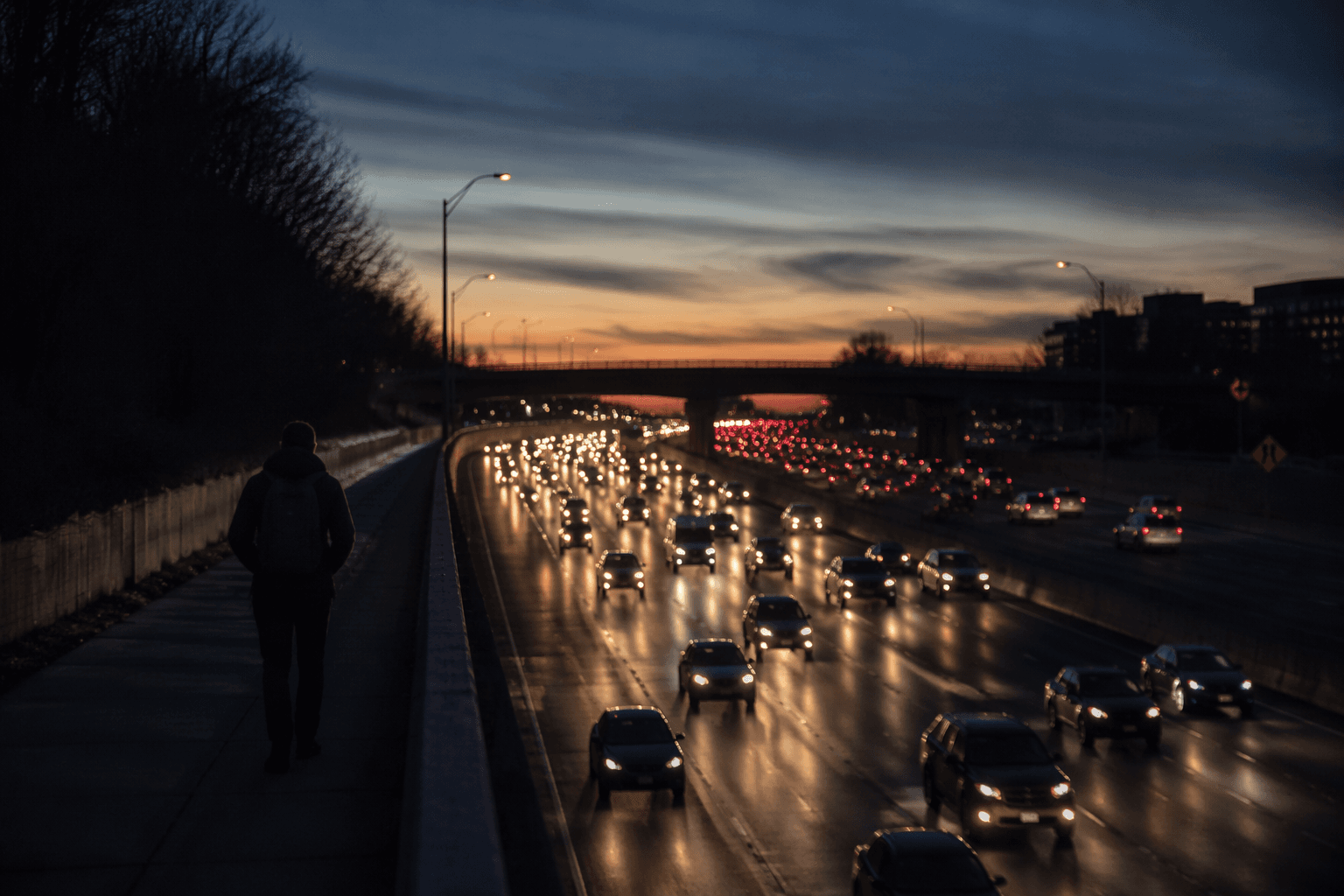
A permanent switch to daylight saving time would push winter sunrise later, so the alarm would ring in the dark and evening light would last longer. Workers, students and commuters would feel that shift first.
The tradeoff Americans would actually live with
The country is deciding whether it wants more light after work and school, or more light when people are getting ready to leave home. Permanent daylight saving time would mean much later winter sunrises across much of the United States, while permanent standard time would preserve earlier morning light and give up some of that extra evening daylight.
That tradeoff lands hardest on routines that start early. School buses, shift work and rush-hour driving all happen before most people have fully adjusted to the day, so darker winter mornings can hit sleep, attention and safety at once. Brighter evenings come with a morning cost concentrated on the same families trying to get out the door.
Why the energy argument is weaker than it looks
The modern daylight saving debate has a long federal history. Congress created a national standard in the Uniform Time Act of 1966, signed by President Lyndon B. Johnson on April 13, 1966, to promote a uniform system of time throughout the United States. Nearly four decades later, Congress revisited the issue in Section 110 of the Energy Policy Act of 2005, which extended the daylight saving period beginning in 2007.
The U.S. Department of Energy’s October 2008 report on the extended daylight saving period found the energy savings effects were minimal, which undercuts the old idea that longer daylight automatically means lower power use. A natural experiment in Indiana went further: Matthew J. Kotchen and Laura E. Grant found that daylight saving time increased residential electricity demand, reflecting a tradeoff between lower lighting use and higher heating and cooling needs.
When usage rises, households can face higher bills and utilities can see a different daily load pattern, especially during seasons when heating or cooling matters more than lights. More evening sun does not guarantee net savings once temperature control is part of the equation.
Sleep, schools and the morning commute
Major medical groups favor permanent standard time. The American Academy of Sleep Medicine supports eliminating daylight saving time and says permanent standard time is better aligned with human circadian biology. The American Medical Association has also called for permanent standard time.
The American Psychological Association says later school starts correlate with improved mood, better attendance and grades, and fewer car crashes among youth. If winter mornings grow darker under permanent daylight saving time, the families most likely to feel it are the ones already pressed by early school bells and early commutes.
Darker mornings mean more students walking to bus stops, more drivers on the road before sunrise and more pressure on commuters who are trying to concentrate before daylight arrives.
Where the change would bite hardest
A recent map analysis found that Southern states would be among the biggest beneficiaries of permanent daylight saving time, while parts of the Upper Midwest and Northern New England could face some of the largest drawbacks. That pattern makes sense because later winter sunrises punish places that already sit farther from the equator and often begin the day in darkness even before a clock change.
The further north the state, the more expensive the darker morning can feel in practical terms. In the South, longer evenings may look like a straightforward quality-of-life gain. In the North, the same policy can mean commuters, students and outdoor workers starting the day with less natural light for a longer stretch of the winter season.
Congress and the states keep circling the issue
The Sunshine Protection Act of 2025 was introduced in both chambers as S. 29 and H.R. 139 in the 119th Congress. The U.S. House of Representatives passed H.R. 139 on July 14, 2026, by a vote of 308-117, sending the bill to the Senate.
State legislatures have considered more than 800 bills and resolutions in recent years to establish year-round daylight saving time as soon as federal law allows it, according to the National Conference of State Legislatures.
This article was produced by Prism’s automated news system from verified source data, official records, and press releases, then run through automated quality and moderation checks before publishing. The system is built and supervised by the people who set the standards it runs under. Read our full AI policy.
Did this article answer your question?