Why Martha Stewart’s One-Pan Pasta Still Rules Weeknight Dinners
A recent revisit of Martha Stewart's one‑pan pasta shows why the pantry-friendly method still wins for weeknight dinners.
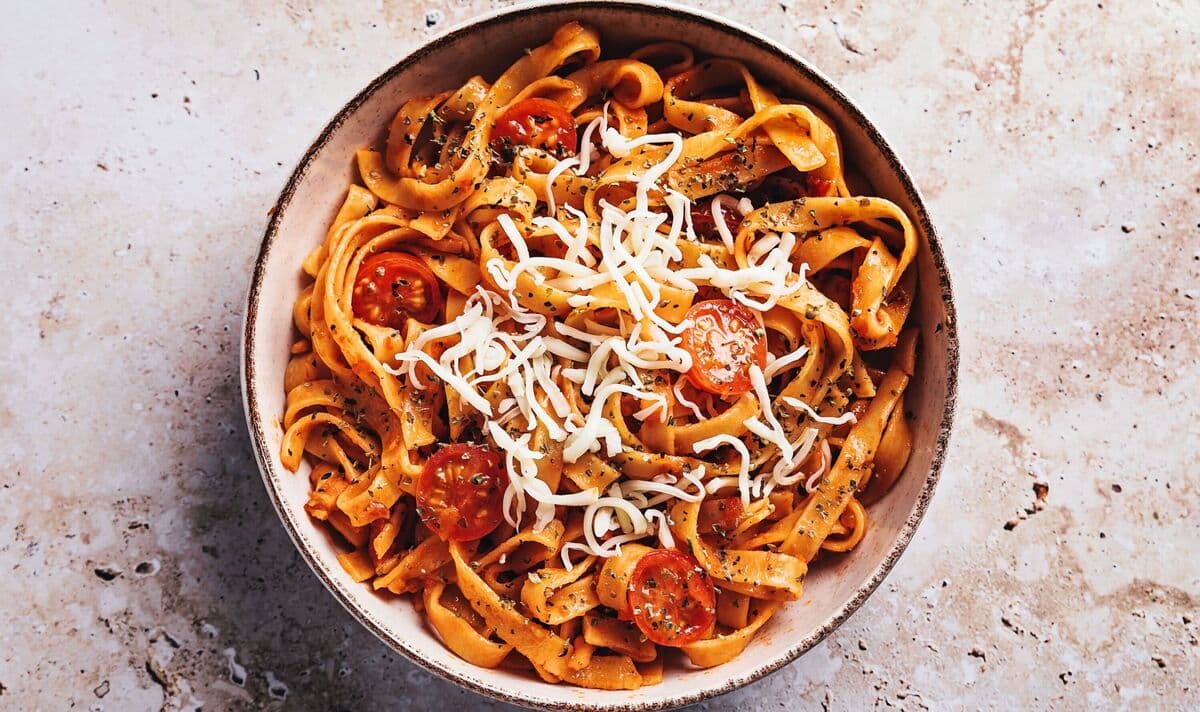
Martha Stewart’s early viral one-pan pasta resurfaced in a recent personal feature and reminded home cooks why the pantry-friendly technique remains a reliable weeknight workhorse. The trick is simple: dry pasta, tomatoes, onions, garlic, basil and just enough water all go into a single wide pan so the pasta releases starch and the cooking liquid emulsifies into a creamy sauce.
The method strips dinner down to essentials and removes decision fatigue on busy nights. Because the starch from the pasta becomes the binder, there’s no need for heavy cream. The finished dish is naturally glossy and clings to each strand or tube when cooked to al dente, giving a restaurant-like mouthfeel from pantry staples.
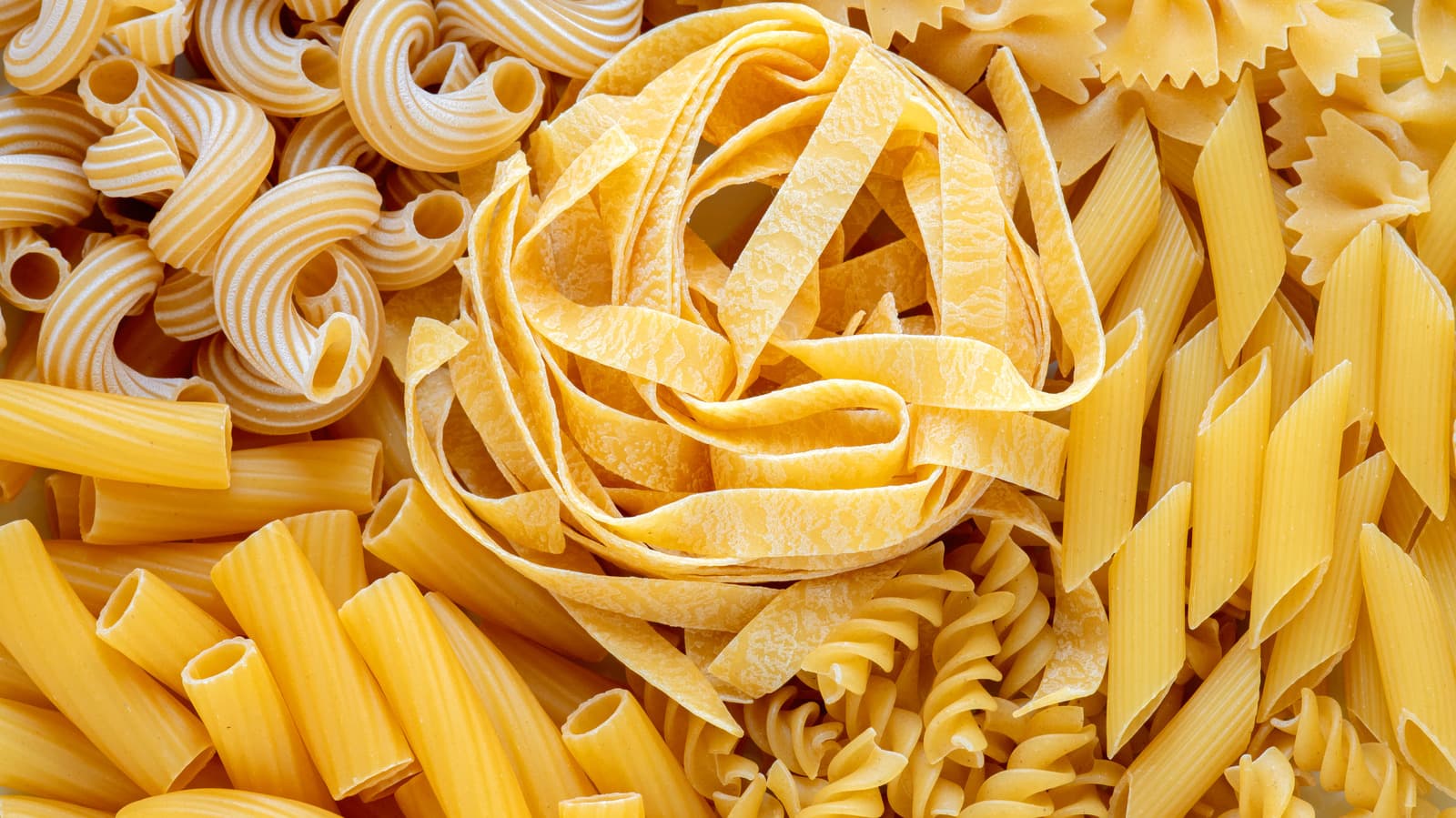
Practical choices matter. Use a wide straight-sided sauté pan so ingredients spread evenly and most pasta sits in contact with liquid; tall narrow pots concentrate liquid and can produce uneven cooking. Adjust the amount of water for shape: thinner long pastas like spaghetti and linguine absorb and hydrate differently than short shapes such as penne or rigatoni, so expect to add or reduce liquid and to stir a bit more for compact shapes. Keep an eye on cooking time and texture; when the pasta reaches al dente, the sauce should be creamy rather than soupy.
Customization keeps the formula fresh. Add proteins like browned sausage, canned tuna stirred in at the end, or a handful of cooked pancetta for smoky depth. Toss in quick-cooking vegetables such as spinach, peas, or cherry tomatoes mid-cook so they finish tender but bright. Finish with a knob of butter and a generous grate of Parmesan or pecorino for richness, or brighten with lemon zest and extra basil for summer notes.
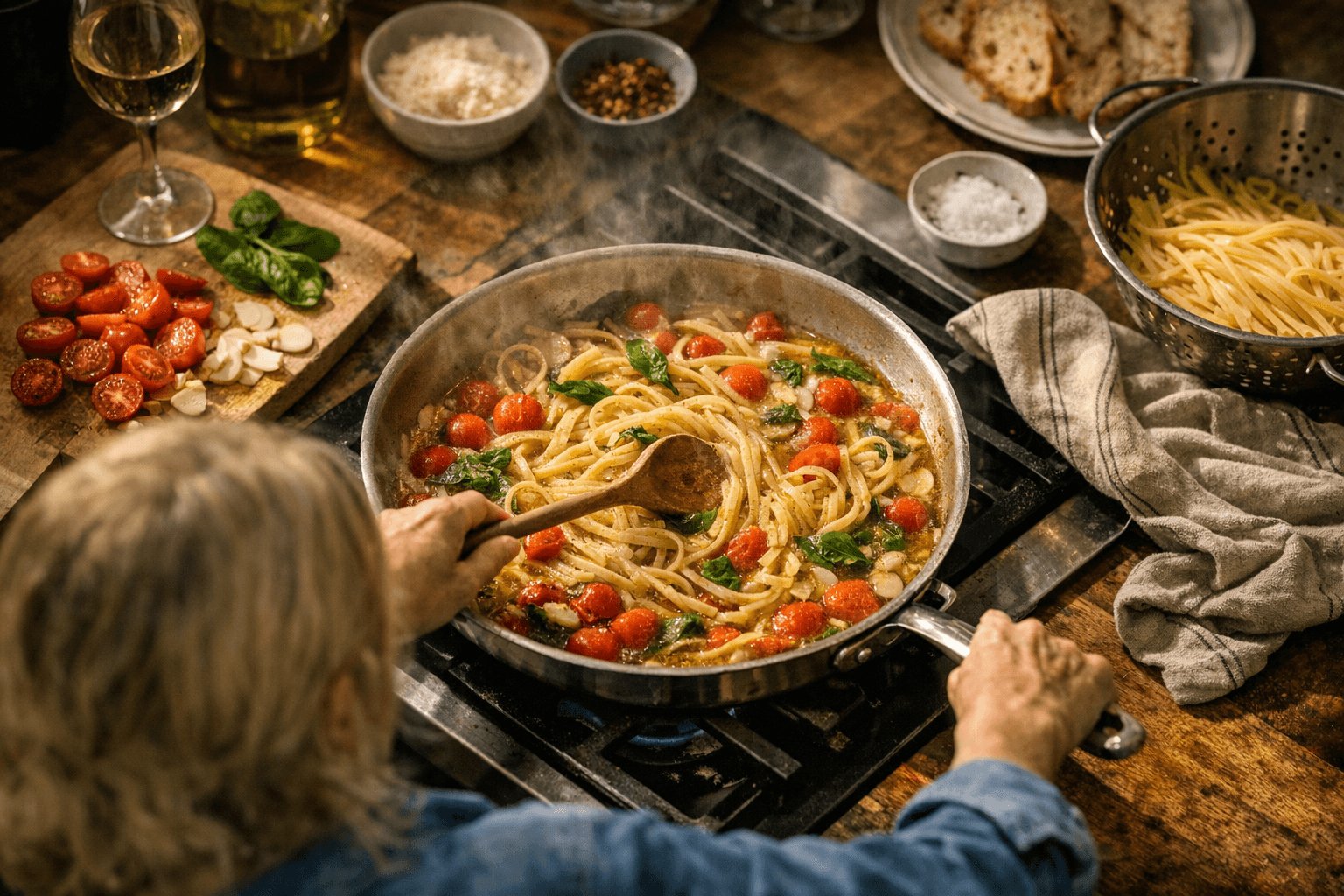
For pantry-minded cooks, this recipe is a low-risk, high-reward foundation. It reduces washing up, rescues sparse refrigerators, and scales easily: double the pan and keep an extra splash of hot water on hand to coax creaminess without diluting flavor. Techniques that feel like tricks, stirring to free starch, timing for carryover cooking, finishing off heat to let the sauce emulsify, are what turn basic ingredients into a saucy one-pan winner.
The takeaway? Treat the recipe like a template: master the pan and the starch, then make it yours with whatever’s in the larder. Our two cents? Start simple, taste as you go, and don’t be afraid to swap shapes or toss in last-minute greens, this one-pan approach saves time and still lets you plate something glorious.
Know something we missed? Have a correction or additional information?
Submit a Tip