Why sibling relationships matter more than many parents realize
Siblings often teach conflict, resilience and identity before parents or schools can. The evidence is strongest when the relationship is warm, stable and kept together.
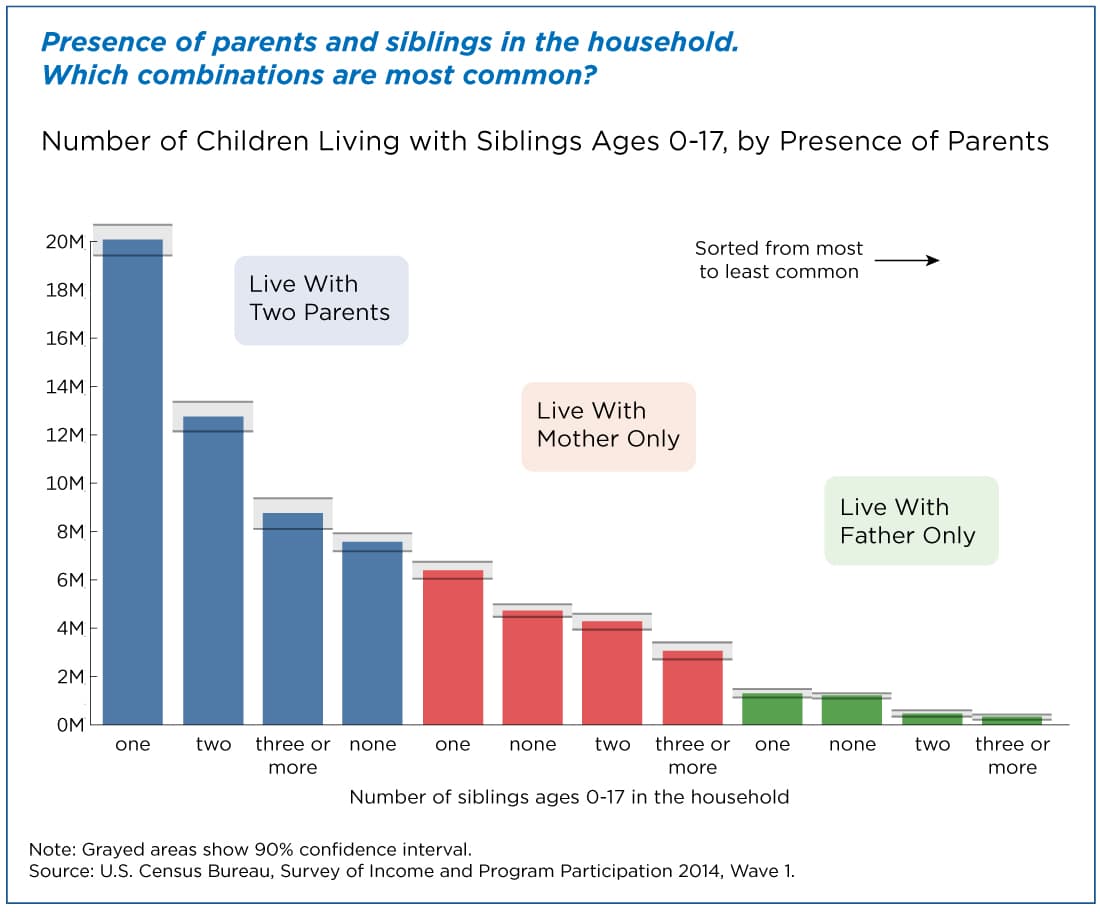
About 78% of children in the United States have at least one sibling; the American Psychological Association puts the figure at eight in 10. Yet sibling ties still get a fraction of the attention given to parent-child relationships, even though they can build companionship and skills or become a setting for conflict, aggression and victimization.
The hidden classroom in the home
Sibling bonds matter partly because they are so common and so constant. Children often spend more time with siblings than with anyone else, including parents, which gives those relationships an outsized role in daily development. Sibling ties are one of the earliest forms of peer relationships, and they are also likely to last longer than any other relationship in a person’s life.
That combination of frequency and longevity makes siblings different from most other childhood relationships. Parents set rules, but siblings test them, push back on them and live through the consequences together. The home becomes a small social system where children learn how to share space, recover after conflict and handle uneven power, all before they enter larger peer groups.
What siblings actually teach
The strongest case for siblings is not that they replace parents, but that they provide a different kind of instruction. Positive sibling relationships are linked to companionship, emotional support, role modeling and skills development, including self-regulation and emotional understanding. Self-regulation shows up when one child waits, yields or cools down after a fight. Emotional understanding grows when a child learns to read a sibling’s frustration, embarrassment or joy in real time.
Siblings also shape identity formation. Older and younger children often define themselves partly in relation to each other, whether that means being the responsible one, the peacemaker, the athlete or the comic. Those roles can be limiting if they harden into labels, but they also give children a first pass at understanding who they are among people who know them well.
Siblings provide a rehearsal space for conflict negotiation. A child who learns to argue over a toy, bargain over screen time or recover after a blowup is practicing a form of social problem-solving that later shows up in classrooms, friendships and workplaces.
Why the policy context matters now
Sibling relationships have become more important as family structure has diversified. U.S. Census Bureau data show married-couple households made up 47% of all households in 2022, down from 71% in 1970. The Census Bureau also counted about 80 million U.S. households in 2019 as family households, a reminder that American family life is large, varied and still changing.
Children’s living arrangements are more diverse than the old picture of one household, two parents and neatly divided roles. When parents are stretched by work schedules, separated households, caregiving demands or economic pressure, siblings can become a crucial source of day-to-day support. They are often the person a child checks in with first after school, the one who helps with a missing item, or the one who notices mood changes before adults do.
The federal child-and-family data system includes the Federal Interagency Forum on Child and Family Statistics and its America’s Children 2024 data site. Children’s lives no longer fit one simple household model.
Where the evidence is strong, and where it is not
Relationship quality matters more than the mere presence of a sibling. Positive sibling relationships are linked to better self-regulation, emotional understanding and support. In child welfare settings, keeping siblings together is associated with higher placement stability and better outcomes for reunification, adoption and guardianship.
The evidence is also clear that siblings are not automatically good for one another. They can be a setting for rivalry, aggression and victimization, especially when age gaps, temperament differences or household stress make power imbalances harder to manage. Broad claims that siblings always build character overstate the case. A sibling can be a source of comfort one day and harm the next, sometimes in the same week.
What families and systems can do with that knowledge
The research points to a few concrete priorities.
- Treat sibling conflict as a teaching moment, not just a nuisance. Small disputes over space, toys or attention can be chances to practice repair, turn-taking and perspective-taking.
- Protect positive sibling time. When siblings are together in stable, predictable routines, they have more opportunities to build companionship and emotional support.
- Watch for aggression and victimization. A sibling relationship that is repeatedly harmful is not the same as normal rivalry, and quality matters as much as presence.
- In foster care and other placement decisions, keep siblings together when it is safe and feasible. The evidence links sibling placement with better stability and permanency outcomes.
- Let siblings be related but not fused. Role modeling is useful, but children also need room to form separate identities rather than being locked into the family version of the “smart one,” “quiet one” or “troublemaker.”
This article was produced by Prism’s automated news system from verified source data, official records, and press releases, then run through automated quality and moderation checks before publishing. The system is built and supervised by the people who set the standards it runs under. Read our full AI policy.
Did this article answer your question?