Why the UK’s political system feels increasingly ungovernable
Britain’s governing problem is structural, not just personal. A fragmented electorate, weak trust and an office built on convention now make prime ministers look more brittle than ever.

A job defined by habit, not statute
The British prime minister is powerful, but the office itself is oddly fragile. It has evolved over three centuries, is rarely found in statute, and the Cabinet Manual says the prime minister is head of government while holding few statutory functions. That matters because it means authority in Westminster depends less on a fixed constitutional design than on custom, party support and political survival.
That is why the question is not simply whether one leader is competent or not. Since 1945, the UK has had 16 prime ministers, and 10 of them first took office between general elections. Across the longer sweep of history, 57 individuals have served as prime minister. The office has always depended on political weather as much as formal rules, but the current period feels harsher because the weather changes faster and with less warning.
When authority can collapse in weeks
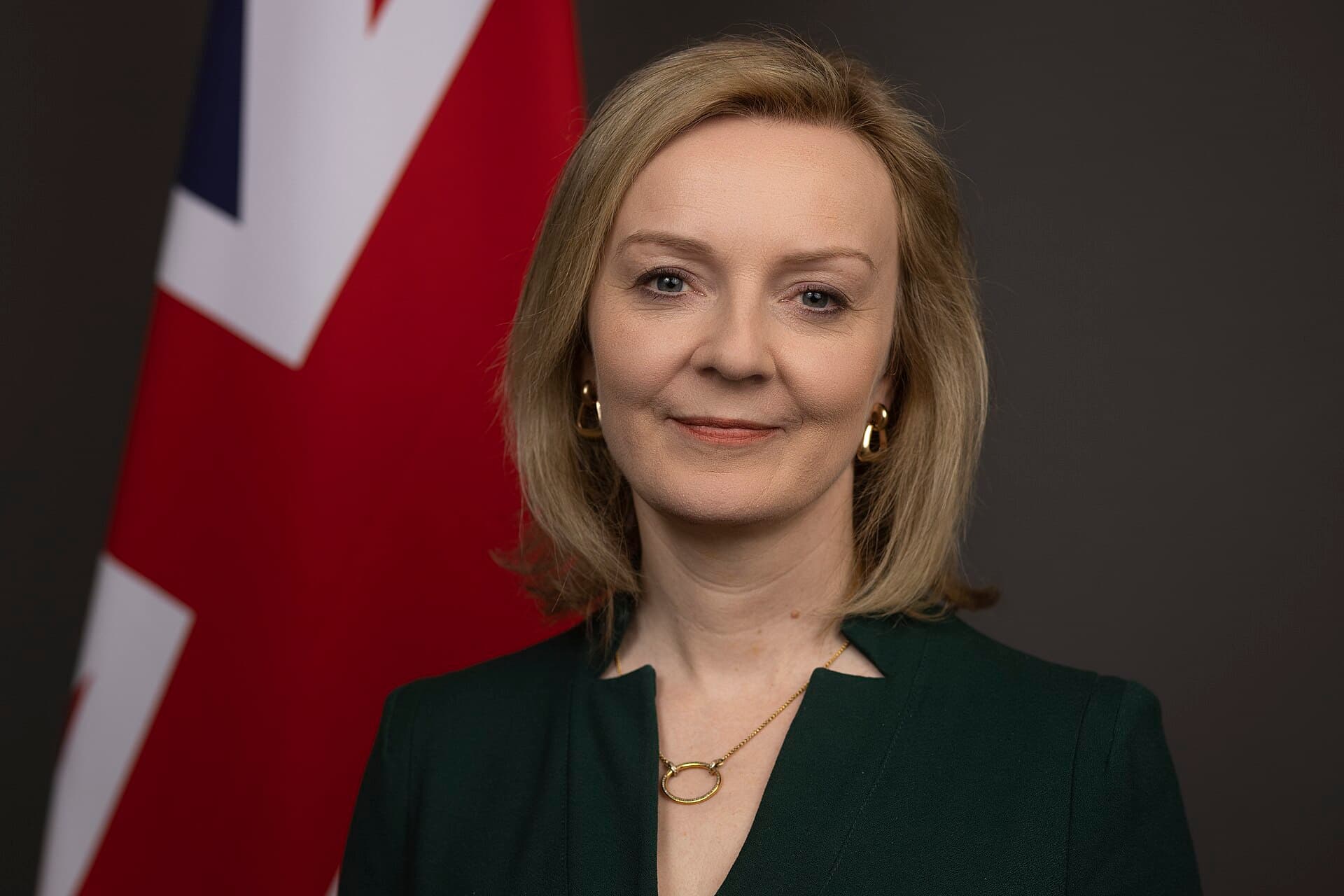
The clearest symbol of this volatility is Liz Truss, who became the shortest-serving UK prime minister in modern history, lasting just seven weeks in 2022. Her downfall was not just a personal failure; it showed how rapidly authority can evaporate when party discipline, market confidence and parliamentary support move together against a leader.
That kind of collapse is not the norm, but neither is it an accident in a system where prime ministers can be replaced without a general election. Parliament’s own research records repeated mid-Parliament changes, and recent history has made that pattern feel routine. David Cameron, Theresa May, Boris Johnson, Liz Truss and Rishi Sunak all entered or left office in ways shaped by internal party pressure rather than a clean handover at the ballot box. The result is a premiership that can look less like a secure executive office and more like a continuing test of political endurance.
The 2010 coalition showed the strain of no majority
The 2010 Conservative-Liberal Democrat coalition remains one of the clearest examples of how difficult governing becomes when no party has a majority. The arrangement rested on formal agreements, including policies the parties would pursue together and areas where they could disagree. That kind of compromise is not a sign of dysfunction in itself, but it does expose the limits of a system built around single-party government.
Hung parliaments do not automatically make Britain ungovernable, but they do force prime ministers into a different mode: negotiation, discipline and compromise become constant. The House of Commons Library notes that such parliaments can produce coalition agreements or minority administrations, including confidence and supply arrangements. That is a familiar feature of parliamentary government, yet it becomes more burdensome when parties are more fractured and the public is less willing to reward patience.
The 2024 election produced a majority, but not calm
On paper, the 4 July 2024 general election gave Labour a working majority and a clear path to government. Labour won 411 seats, the Conservatives fell to 121, Reform UK won 5 and the Green Party of England and Wales won 4. But the scale of Labour’s win did not mean the system had settled down.
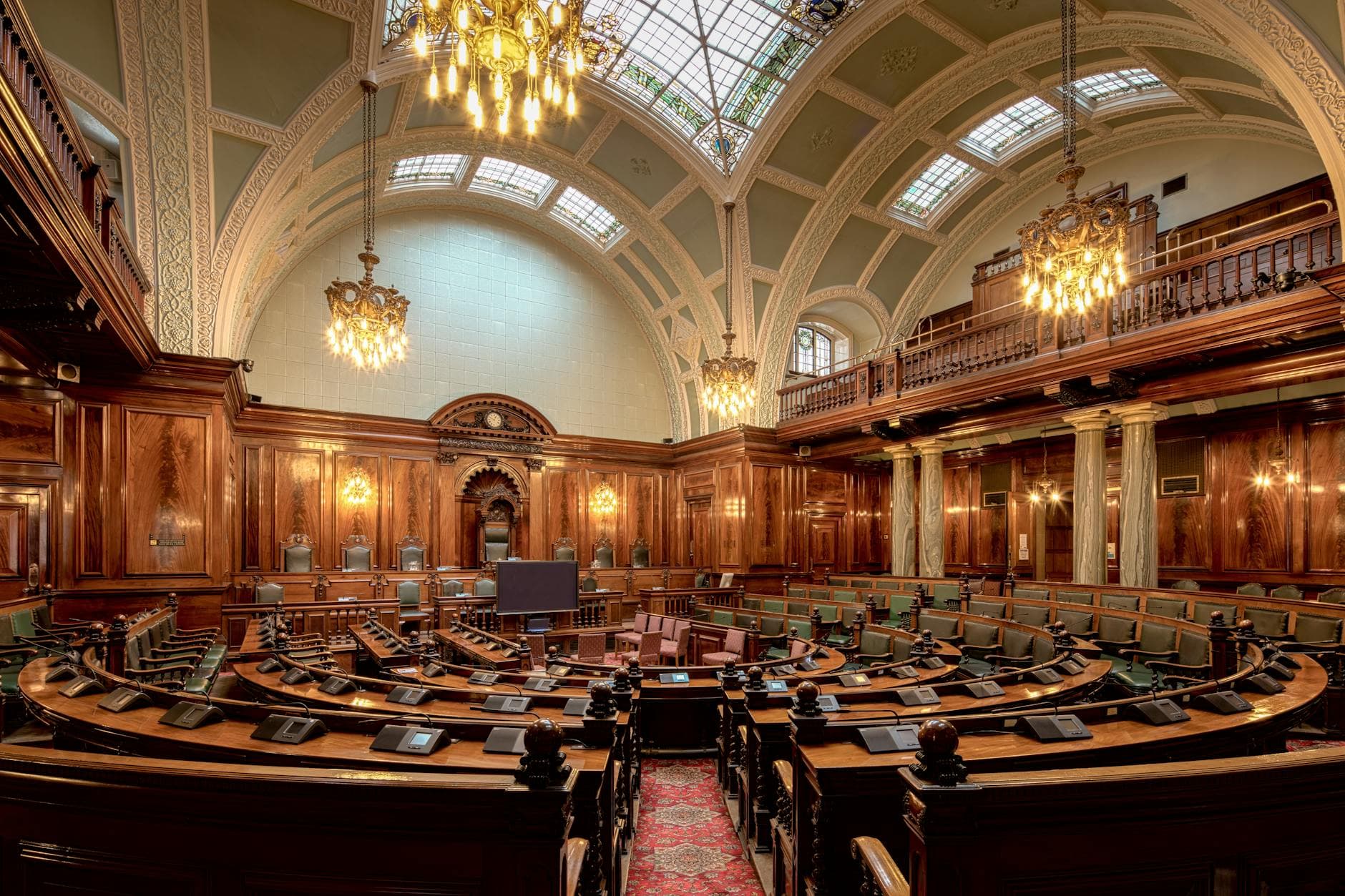
The Conservative total was its lowest at a general election since 1832, a staggering sign of realignment at the top of the party system. Just as striking was the churn inside the Commons itself: 300 MPs were re-elected, while 335 entered the House of Commons for the first time. That level of turnover matters because it changes how Parliament works, how ministers build relationships and how quickly parties learn to govern together.
The election was also defined by knife-edge contests. A total of 115 seats were won by margins of 5% or less, and 46 were won by less than 2%. The House of Commons Library has said this made 2024 more like 2010 than any other recent contest in terms of marginality. In practical terms, that means many MPs now sit in constituencies where a small shift in sentiment can end their careers, which makes discipline tighter, caution stronger and rebellion more likely to be managed as a daily concern.
Trust is now part of the governing problem
The deeper issue is not only parliamentary arithmetic but public legitimacy. Ipsos reported in June 2025 that only 13% were satisfied with Keir Starmer as prime minister, its lowest satisfaction rating ever recorded for a UK prime minister since 1977. By September 2025, Ipsos said 82% were dissatisfied with the government, and two in three people thought Britain was heading in the wrong direction.
Those figures do not by themselves prove that government is impossible. They do show that a prime minister can now enter office, win a majority and still face a public mood that treats authority as provisional. That is a hard environment in which to pass difficult legislation, impose party discipline or ask voters to accept short-term pain for long-term gain. When distrust is this high, every misstep reads as evidence of drift rather than a temporary setback.
What is new, and what is not
Some of the pressure on prime ministers is perennial. Westminster has always been built on convention rather than codified executive power. Mid-Parliament changes have happened before. Coalitions are not unprecedented. Parliamentary management has always been central to a prime minister’s survival, and Tony Blair’s record PMQs attendance rate since 1979 reminds us that heavy Commons scrutiny is hardly a new burden.
What does feel more acute is the combination of pressures now landing at once. The party system is more fragmented, as shown by the presence of Reform UK and the Greens alongside the collapse of Conservative support. The Commons is more volatile, with 335 first-time MPs after the 2024 election. Marginal seats are more numerous, making every local swing feel national. And public confidence in the government has sunk to levels that make authority feel thinner than the seat total suggests.
That is why the modern UK premiership can seem increasingly ungovernable. The problem is not that Britain has suddenly discovered weak leaders. It is that the system now asks leaders to provide stability in conditions that no longer reliably produce it.
This article was produced by Prism’s automated news system from verified source data, official records, and press releases, then run through automated quality and moderation checks before publishing. The system is built and supervised by the people who set the standards it runs under. Read our full AI policy.
Did this article answer your question?

