Winter storm Fern paralyzes large swaths of U.S., governors declare emergencies
Winter storm Fern brought heavy snow and ice from Texas to the Northeast, prompting states of emergency and exposing risks to health, housing and critical care access.
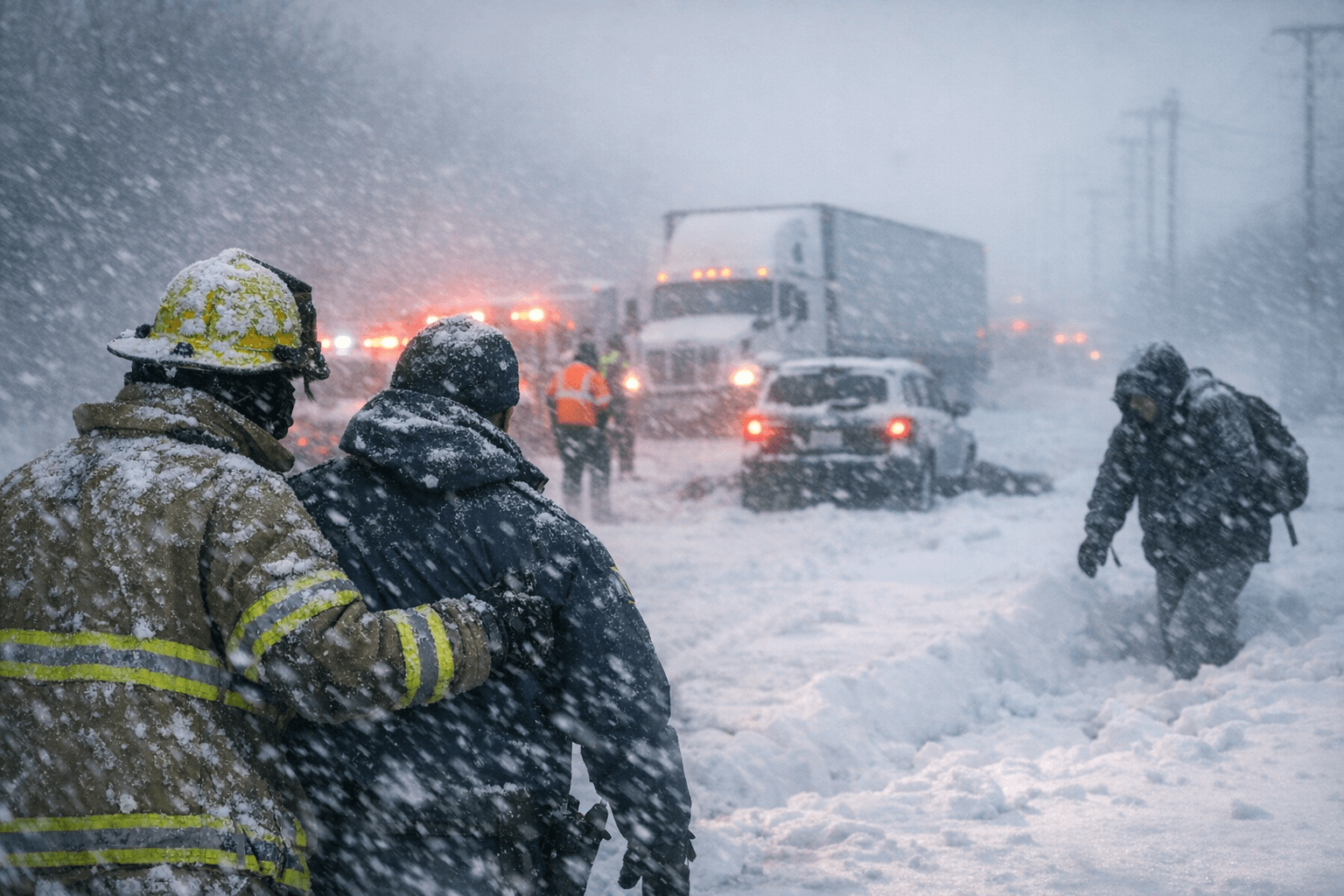
A powerful winter storm known as Fern pushed east from the Southern Rockies on Jan. 23, dropping heavy snow and ice across a broad swath of the country from Texas and Oklahoma through the Ohio Valley into the Northeast. The system stranded travelers, closed roads and airports, and led more than a dozen governors to declare states of emergency to mobilize resources and ease logistical barriers for response.
Local and state officials reported widespread disruptions to transportation and utilities, with highway closures and treacherous conditions forcing communities to shelter in place. Schools and businesses announced closures, and public transit systems reduced service as crews worked to clear ice-laden streets and fractured tree limbs. Emergency declarations typically free up state funds and logistical support, allowing officials to coordinate road clearing and, where necessary, request federal assistance.
Beyond immediate mobility problems, the storm posed acute public health threats. Long periods of exposure to cold increase risks of hypothermia and frostbite, and power outages raise the danger of carbon monoxide poisoning when residents use alternative heating methods indoors. Disruptions to medical supply chains and transportation can interrupt deliveries of essential medications, home oxygen and dialysis treatments, placing people with chronic illnesses at heightened risk. Clinics and vaccination sites faced cancellations, complicating care continuity for vulnerable patients.
Unhoused people and low-income households bore disproportionate burdens. Warming centers and emergency shelters opened in many jurisdictions, but advocates warned that capacity, transportation and access barriers could leave some people without safe refuge from the cold. Rural communities, where medical facilities and heating fuel deliveries are often sparse, faced particular vulnerability. The storm highlighted long-standing inequities in infrastructure and emergency planning that leave marginalized populations more exposed during extreme weather.
Public health officials and community organizations emphasized prevention and mitigation steps that are critical in the hours after a storm. Simple measures include checking on older neighbors and people with mobility limitations, ensuring generators are used safely outside and keeping emergency medication supplies when possible. Health systems worked to prioritize continuity of care for high-risk patients, while social service agencies coordinated sheltering and targeted outreach.
The event also spotlighted systemic policy gaps. Emergency declarations can unlock short-term assistance, but advocates say longer term investments are needed in grid resilience, winterization of housing and transportation infrastructure, and expanded funding for community-based emergency supports. Policies that prevent utility shutoffs during extreme weather, ensure backup power for critical care facilities and expand access to paid leave for essential workers can reduce health harms when storms strike.
Scientists have pointed to a warming climate as a factor that changes the behavior of winter weather, increasing volatility and making planning more difficult. For now, Fern’s immediate toll will be measured in travel delays, service interruptions and the labor of crews working through hazardous conditions. The storm underscored the need for emergency systems that reach the most vulnerable and for policy choices that address the unequal risks of extreme winter weather.
This article was produced by Prism’s automated news system from verified source data, official records, and press releases, then run through automated quality and moderation checks before publishing. The system is built and supervised by the people who set the standards it runs under. Read our full AI policy.
Did this article answer your question?

