Winter storm grounds 10,000-plus flights and prompts state emergencies
A fast-moving winter storm disrupted travel and power across the U.S., grounding thousands of flights and testing grids and supply chains at the start of the year.
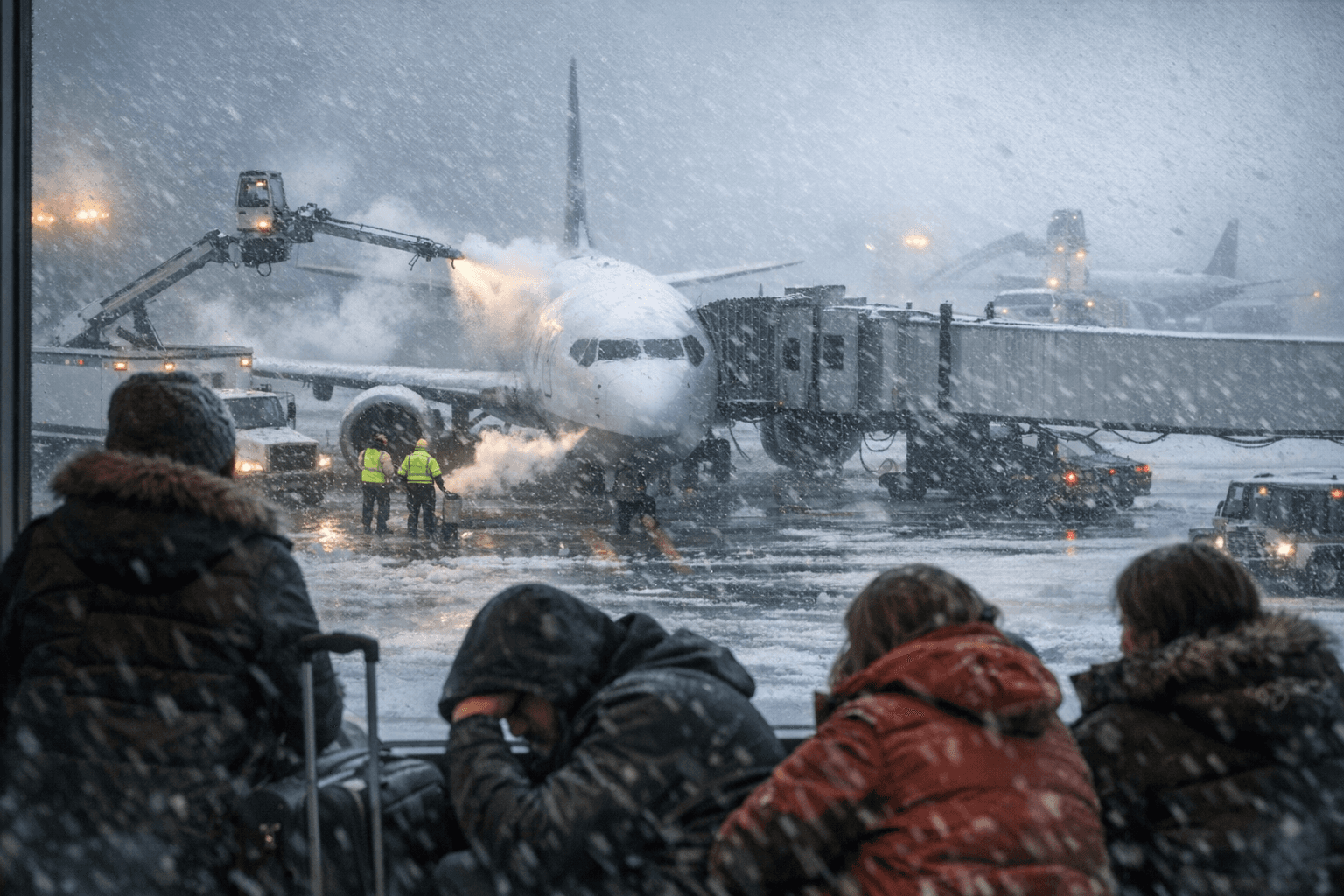
A powerful winter storm sweeping much of the United States on Jan. 24–25 grounded more than 10,000 flights nationwide and knocked out service for many customers, prompting multiple state emergency declarations and widespread travel chaos. National flight trackers and airlines reported between 10,000 and 14,000 cancellations over the weekend, and airports across the country faced prolonged delays and operational disruptions as crews worked to de-ice aircraft and clear runways.
The scale of cancellations ranks among the larger single-weekend travel disruptions in recent years, shutting down business and leisure travel during a busy post-holiday period. Airlines must now absorb the direct costs of rebooking, crew time and accommodation, while airports and contractors face additional labor and equipment expenses. The immediate financial hit will fall heaviest on carriers with concentrated exposure at affected hubs, and weaker revenue weeks can compound already thin profit margins for the industry this winter.
Utilities across several regions reported outages and service interruptions as heavy snow, sleet and wind damaged lines and equipment. The storm prompted state governments to declare emergencies to free resources for road clearing, public shelters and utility repair crews. Those declarations also unlock administrative mechanisms for mutual aid among states; in past storms such measures have shortened restoration times but raised fiscal demands on state emergency funds.
The economic ripple effects are broader than the travel sector. Freight delays and road closures disrupted trucking and last-mile delivery in affected corridors, raising the risk of inventory shortfalls for retailers and manufacturers dependent on tight, just-in-time supply chains. Residential heating demand spiked, placing additional strain on electricity and natural gas systems and potentially lifting short-term wholesale energy prices in regional markets that were already tight.
From a policy perspective, the storm highlights recurring vulnerabilities. State and local emergency responses reduce immediate harm, but long-term resilience depends on investment in winterization of grids, improved tree trimming and distribution infrastructure, and more robust contingencies for transportation hubs. For airlines and logistics providers, the event underlines the need for greater operational flexibility and diversified routing to limit concentrated disruption at major hubs.
Markets typically price in these episodic shocks through near-term volatility in travel and energy-related stocks; insurers and utilities also face underwriting pressure where outage frequency and repair costs rise. For households and small businesses, repeated extreme-weather events translate into higher insurance premiums, replacement costs and productivity losses that accumulate over time.
While a single storm cannot be linked definitively to long-term climate trends, the financial and logistical burdens of recurrent severe weather are increasingly material to corporate balance sheets and public budgets. Policymakers and private-sector managers will confront a growing imperative to weigh up-front investments in resilience against the recurring fiscal and economic costs of disruption.
This article was produced by Prism’s automated news system from verified source data, official records, and press releases, then run through automated quality and moderation checks before publishing. The system is built and supervised by the people who set the standards it runs under. Read our full AI policy.
Did this article answer your question?

