Withings targets GLP-1 users with new body-composition scale
Withings’ $279.95 BodyFit scale is built for GLP-1 users, but the real pitch is measuring whether weight loss is fat or muscle.

A gym basement stocked with smoothies and healthy snacks was an unlikely launchpad for one of the clearest signs yet that the GLP-1 boom is being commercialized. Withings is now selling a smart scale specifically to people taking semaglutide, tirzepatide and other obesity drugs, betting that rapid weight loss has created a new premium market for body-composition tracking.
The French company, best known for its Wi-Fi bathroom scales, announced the BodyFit on June 2 at $279.95. Withings says the scale uses a retractable handle for 6-zone segmental body-composition analysis in about 10 seconds, Bioelectrical Impedance Spectroscopy across 13 frequencies up to 800 kHz, and DEXA validation claims of up to 99% correlation for fat mass and up to 98% for muscle mass. The package also includes app-based coaching and a free one-month Withings+ trial with a nutritionist session, reinforcing the idea that the product is meant to sit inside a broader weight-loss regimen rather than function as a standalone gadget.
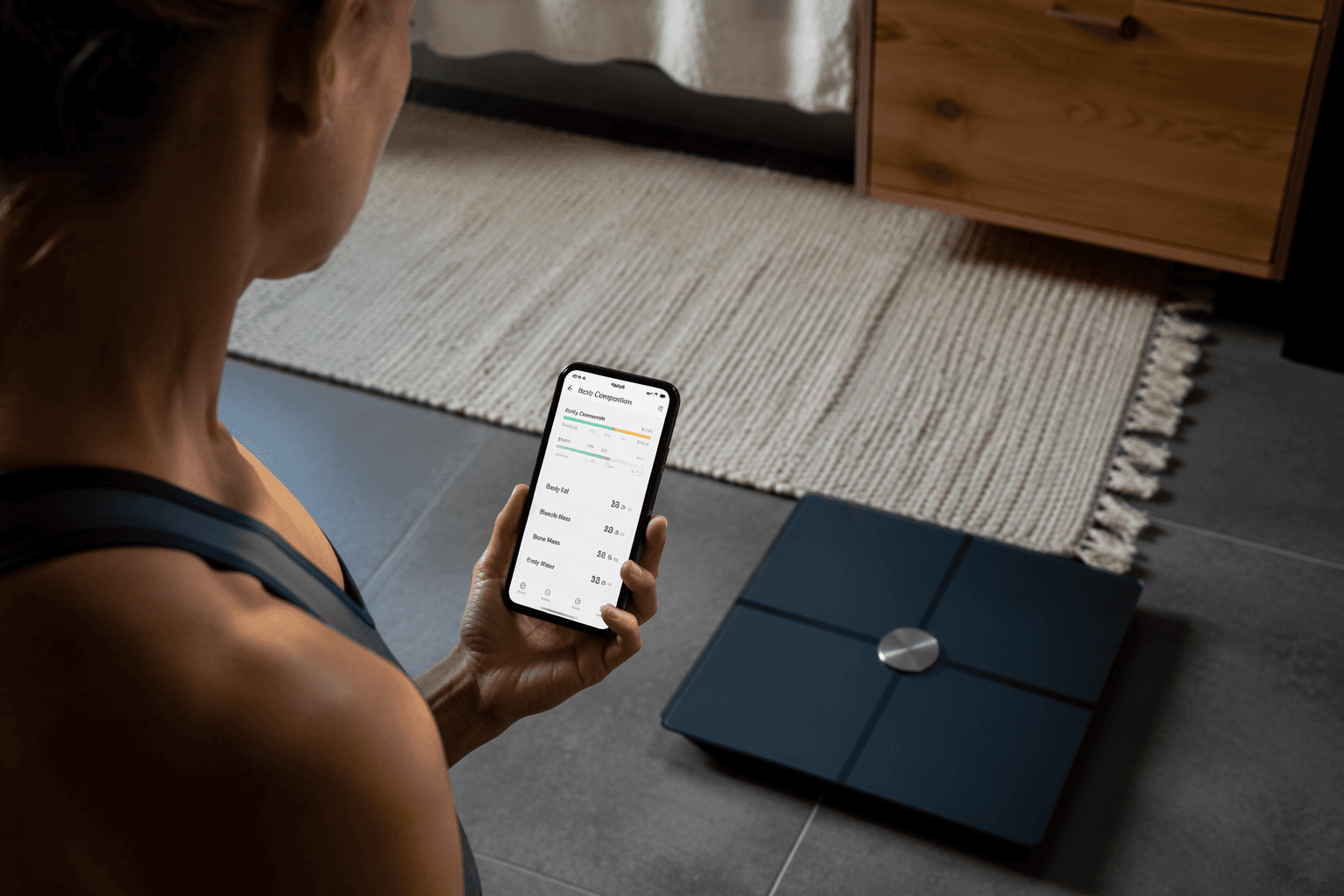
The pitch is easy to understand. GLP-1 drugs have changed the conversation from simple pounds lost to what is being lost. The World Health Organization said in its first global guideline on GLP-1 medicines for obesity, issued Dec. 1, 2025, that obesity affects more than 1 billion people worldwide, was associated with 3.7 million deaths in 2024 and could carry a global economic cost of US$3 trillion annually by 2030. But the agency also made clear that drug therapy is only one part of care, and called its recommendation conditional because long-term safety data, cost, health-system readiness and equity remain unresolved.

That uncertainty helps explain why scale makers are leaning into muscle preservation. The American Diabetes Association’s 2025 guidance for people starting FDA-approved weight-management medications recommends resistance activity two or more times a week and at least 30 grams of protein per meal to reduce muscle loss. In a semaglutide substudy from STEP 1, participants lost 15.0% of body weight after 68 weeks, while total fat mass fell 19.3% and total lean body mass dropped 9.7%. More recent commentary continues to debate the size of that lean-mass loss, but the concern is real enough that consumer tech companies are now treating it as a selling point.

That is the real question beneath Withings’ branding push: what does a GLP-1 user need from a smart scale that other users do not? The answer appears to be more frequent body-composition data, some coaching and a vocabulary calibrated to a medical trend. The deeper value may be legitimate for people trying to preserve muscle during aggressive weight loss. But it also looks like a familiar consumer gadget market finding a new label, one that turns a bathroom scale into a subscription-friendly accessory for the latest prescription-drug craze.
This article was produced by Prism’s automated news system from verified source data, official records, and press releases, then run through automated quality and moderation checks before publishing. The system is built and supervised by the people who set the standards it runs under. Read our full AI policy.
Did this article answer your question?