Woman’s flu-like illness led to brain damage from rare herpes encephalitis
Helen Edwards thought she had flu, but 12 weeks in hospital revealed rare HSV-1 encephalitis, leaving the 74-year-old with brain damage and lasting memory and mobility problems.
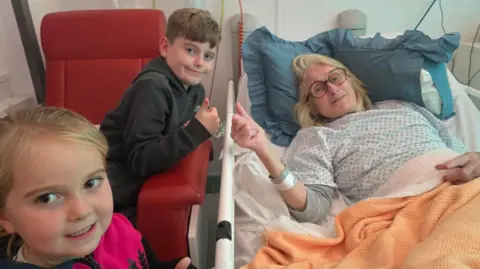
Helen Edwards went into hospital believing she had flu. Instead, the 74-year-old from Penrhyn-coch near Aberystwyth in Ceredigion spent 12 weeks in treatment after doctors diagnosed encephalitis caused by herpes simplex virus type 1, the virus behind cold sores.
Her case shows how a common infection can turn dangerous in rare circumstances. HSV-1 is estimated to affect 3.8 billion people under 50 worldwide, about 67% of the global population, yet herpes encephalitis remains uncommon, with a medical review putting incidence at about 2 to 4 cases per 1,000,000 people each year. In the UK, encephalitis may affect up to 6,000 people annually, and about one in five cases can be fatal.
Doctors say the condition is a medical emergency because it inflames the brain and can leave survivors with lasting damage. Johns Hopkins Medicine describes herpes meningoencephalitis as an infection of the brain that can lead to long-term problems, while the NIH Genetic and Rare Diseases Information Center lists early warning signs such as fever, headache, confusion, seizures, hallucinations and changes in personality or behavior. Those symptoms can look like a bad viral illness at first, which is why delays in treatment can be so damaging.

Edwards now has brain damage and ongoing problems with memory and mobility. Her daughter, Jane Richards, has said the illness has had a profound impact on her mother’s life. The case is a stark reminder that encephalitis can move quickly from vague flu-like symptoms to a neurological emergency, especially when confusion or behavioral changes begin to appear.
HSV-1 is responsible for about 90% of herpes simplex encephalitis cases, making the cold sore virus the most important cause of this rare but severe form of brain infection. For most people, HSV-1 causes no more than a recurring sore or no symptoms at all. For a small number, however, it can cross into the brain and trigger a medical crisis that can change a life in days.
This article was produced by Prism’s automated news system from verified source data, official records, and press releases, then run through automated quality and moderation checks before publishing. The system is built and supervised by the people who set the standards it runs under. Read our full AI policy.
Did this article answer your question?


