Women secretly filmed with smart glasses, videos spread on social media
A man in smart glasses filmed Alice in secret, then asked for money to delete the clip. Similar posts drew millions of views and spread harassment beyond the original encounter.
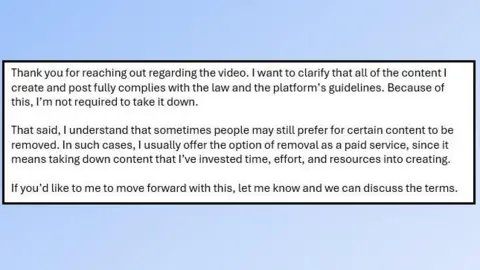
A humiliation-content economy has turned covert filming into a monetized stunt, with women captured on smart glasses, posted to social media and then squeezed for money to make the videos disappear. Alice, not her real name, said a man wearing smart glasses secretly filmed her and later asked her for payment to remove the clip. The video was viewed about 40,000 times.
The episode sits inside a wider pattern of pickup-style clips that treat women as content rather than people. Hundreds of short videos on TikTok and Instagram showed women being filmed by dozens of male influencers who claimed to offer advice on how to pick up women. In most cases, the footage appeared to have been shot secretly using Meta smart glasses, turning an everyday encounter into a distributed humiliation that could be replayed, amplified and sold through attention.

Other women described the cost of that exposure. Dilara, 21, was filmed during her lunch break in London, and later found that her phone number was visible in the video. Her clip drew 1.3 million views on TikTok and sparked messages and calls. Kim, 56, was filmed on a beach in West Sussex, and the videos about that encounter amassed 6.9 million views on TikTok and more than 100,000 likes on Instagram.
The pattern reached beyond a single country. Seven women in the United Kingdom, the United States and Australia told investigators they had been filmed in this way. The scale of the material showed how quickly a private encounter could become a public spectacle, with one man’s hidden recording feeding a larger cycle of clicks, comments and threats.
The legal and platform response lagged behind the abuse. A privacy lawyer said there was no specific UK law against filming someone in public without consent, even though being in a public place did not make it acceptable to film and upload the footage. TikTok initially told one woman that no violations had been found after review, then removed the video after being contacted and said it would take down content that violated its bullying and harassment rules.
Alice’s case exposed the core failure in this new economy of degradation. A man could covertly film a woman, upload the footage, demand money and, even after the clip spread, leave her to deal with the fallout.
This article was produced by Prism’s automated news system from verified source data, official records, and press releases, then run through automated quality and moderation checks before publishing. The system is built and supervised by the people who set the standards it runs under. Read our full AI policy.
Did this article answer your question?