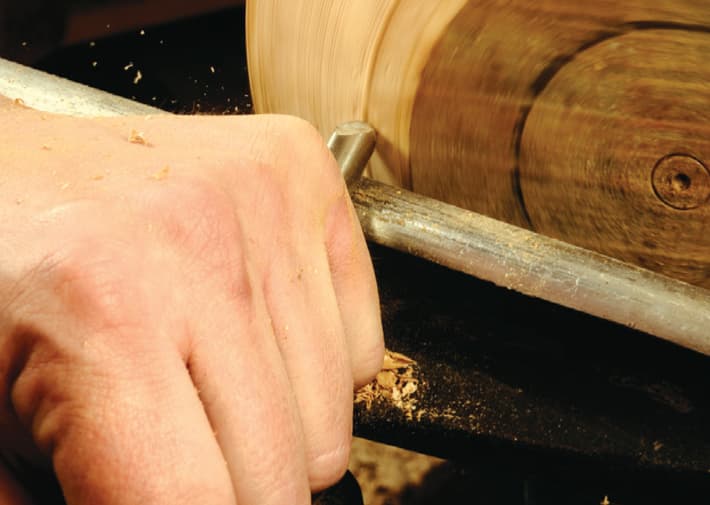
Woodturning School outlines clear learning path for beginners
The Woodturning School set out recommended courses and progression for new and returning students. The two-day beginners course is presented as the foundation for steady skill development.
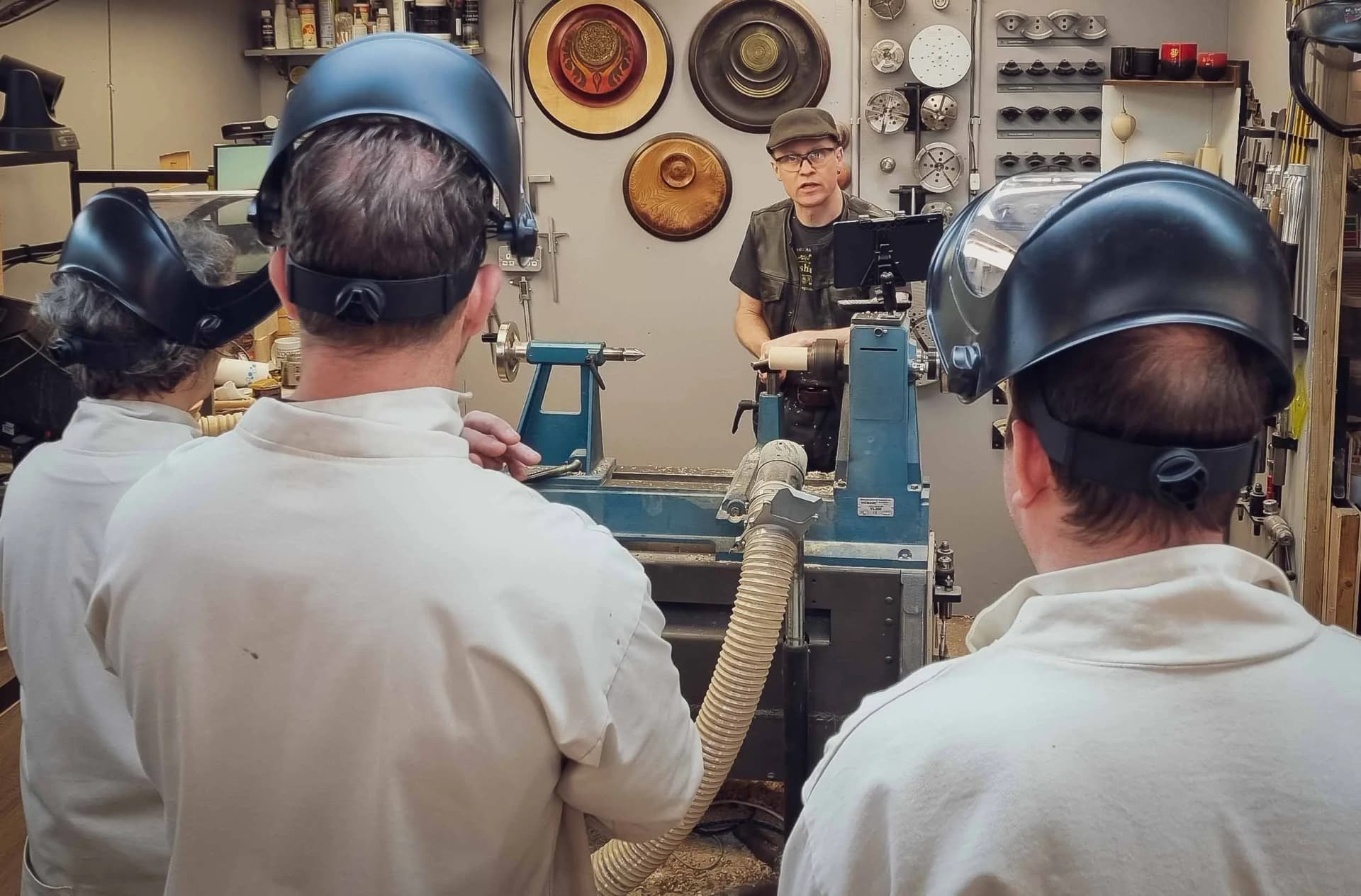
The Woodturning School has laid out a practical learning route designed to take newcomers from first cuts to confident independent turning. The centre highlighted short entry options for taster experiences alongside a two-day beginners course it recommends as the foundation for sustained progress.
Entry-level choices include a three-hour Pen Turning Experience for a quick introduction, a full-day Woodturning Experience Day for a broader taste of the lathe, and a Bowl Turning Experience aimed at students keen to focus on hollow forms from the outset. For those ready to commit, the Two-Day Beginners course combines essential techniques with design thinking to speed up real learning on the lathe.
The Two-Day Beginners course is split to build skills logically. Day One concentrates on spindle work: tool control, spindle gouge and skew fundamentals, safe use of the lathe, and creating reliable tenons. Day Two shifts to bowl turning: bowl blanks, mounting strategies, and initial hollowing techniques. Beyond just tool technique, the course stresses design principles and proportions so students learn why shapes work as well as how to cut them.
After completing the two-day foundation, the School recommends progressive follow-ups. Options listed include bowl improvers to refine hollowing and finish, skew and spindle classes to strengthen everyday tool skills, and lidded box projects to introduce tight tolerances and joinery on the lathe. Specialist classes such as a Japanese-style rice bowl offer cultural forms and finishing methods for students looking to broaden their repertoire.

For higher-level work, the School runs an introduction to hollowing for deeper vessel work and schedules guest tutor weeks with visiting turners Emma Cook and Colwin Way to expose students to alternative approaches and advanced techniques. Those who want regular practice can use Sunday Studio sessions for open-lathe time and supervised coaching, while the Bite-Size Workshop video library provides focused lessons for targeted skill refreshers between classes.
This structured route gives new and returning turners a route map that balances technique, design and regular practice. It also plugs students into the community with studio sessions and guest weeks that accelerate learning through observation and feedback. Expect more consistent results at the bench by following the staged progression and using the School’s practice sessions and video resources to keep skills sharp.
Sources:
Know something we missed? Have a correction or additional information?
Submit a Tip