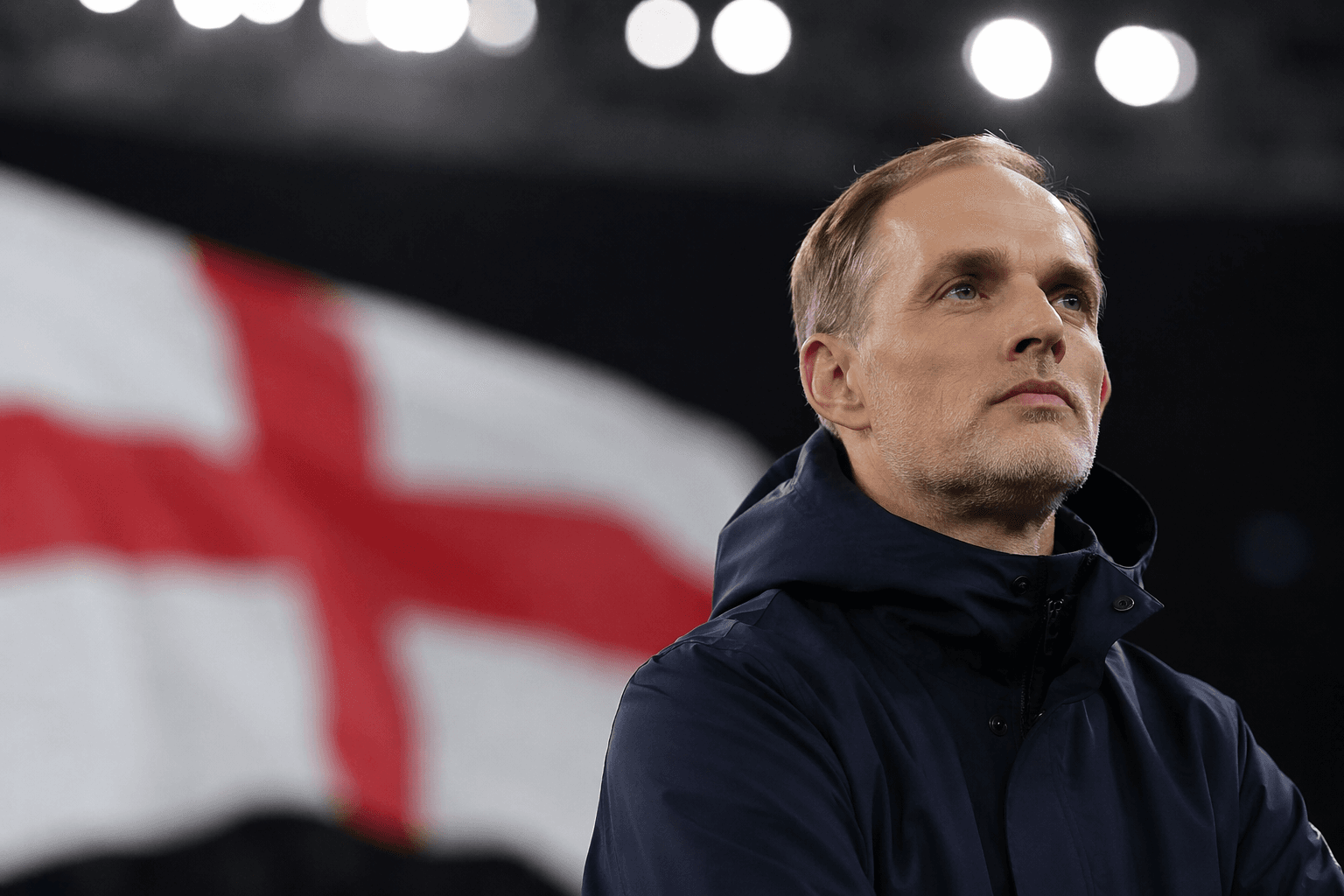
World Cup in Qatar drew record audience, made history
Argentina-France drew 1.42 billion viewers, while Qatar 2022 produced 172 goals and the first World Cup semifinal run by an African nation.
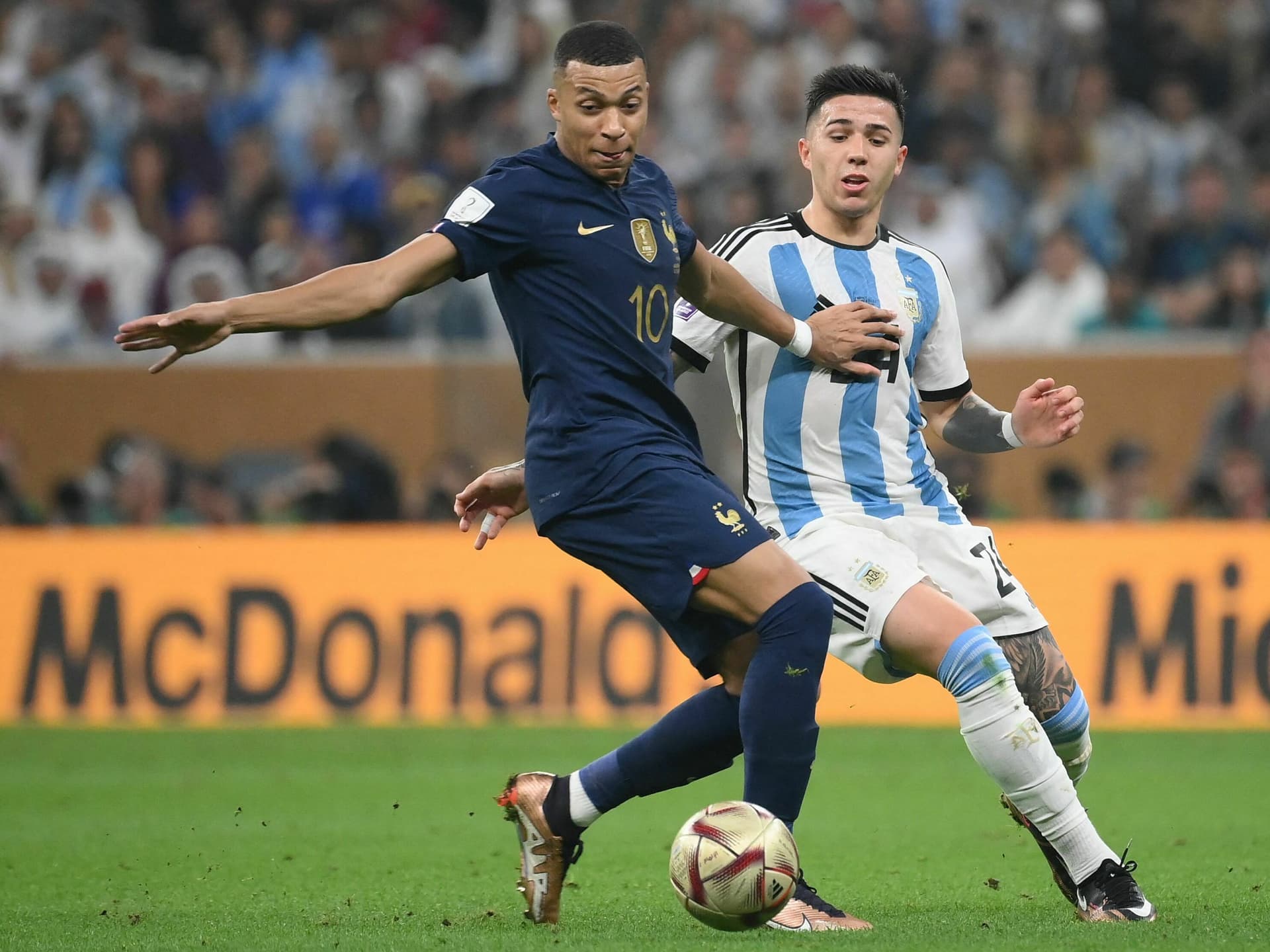
Qatar’s World Cup showed how rare it has become for the planet to look at one event at the same time. The final between Argentina and France drew an estimated 1.42 billion viewers, the largest audience ever for a World Cup final, while FIFA said the tournament reached about 5 billion engaged supporters across all media.
Played from November 20 to December 18, 2022, the event turned the game into a global ritual of joy, nationalism and commerce. A total of 3.4 million spectators filled stadiums across Qatar, and the tournament produced 172 goals, the most in World Cup history. Those numbers gave the competition a scale that few cultural events still match, especially in an era when audiences are usually fragmented across screens and time zones.
The setting mattered as much as the scoreline. Qatar 2022 was the first World Cup held in the Arab world, giving the tournament a geopolitical significance beyond sport. For Qatar and Doha, the event was not only a showcase of infrastructure and organization but also a rare moment when the Middle East became the center of the global sporting calendar.
On the field, the final delivered a match built for legend. Argentina defeated France, with Lionel Messi and Kylian Mbappé at the heart of a contest that helped push the tournament to its record audience. The game paired two football powers and two stars whose names carried far beyond the stadium, making the final a reminder that the World Cup still depends on individual brilliance as much as national identity.
Morocco added another layer of history. The Morocco national football team became the first African nation ever to reach the semifinals, a breakthrough that carried symbolic weight across the continent and far beyond it. In a tournament defined by spectacle, Morocco’s run stood out as a sporting achievement with lasting meaning, not just a memorable upset.
The numbers from Qatar point to the World Cup’s unusual place in modern life. It is still one of the few events that can compress national rivalry, global commerce and shared attention into the same weeks, then leave behind records that measure not only who won, but how many people still chose to watch.
This article was produced by Prism’s automated news system from verified source data, official records, and press releases, then run through automated quality and moderation checks before publishing. The system is built and supervised by the people who set the standards it runs under. Read our full AI policy.
Know something we missed? Have a correction or additional information?
Submit a Tip