World needs one million more midwives, WHO says
A global call for one million more midwives marked May 5 as WHO data showed a 900,000-worker gap and 260,000 maternal deaths in 2023.
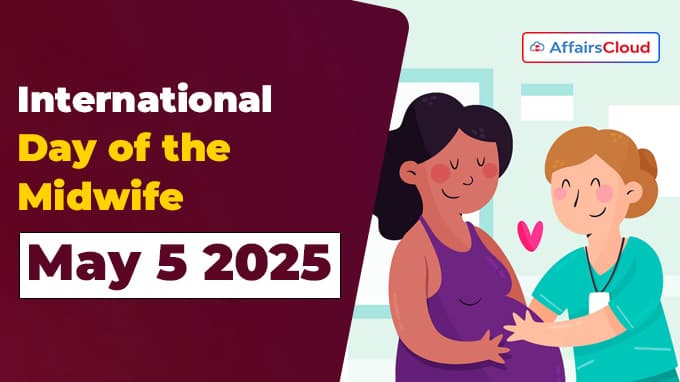
The world’s midwifery shortage has become a blunt policy problem: the International Confederation of Midwives marked International Day of the Midwife on May 5 with a 2026 theme, “One Million More Midwives,” as global health agencies warned that too few trained hands are available to support pregnancy, birth and postpartum care.
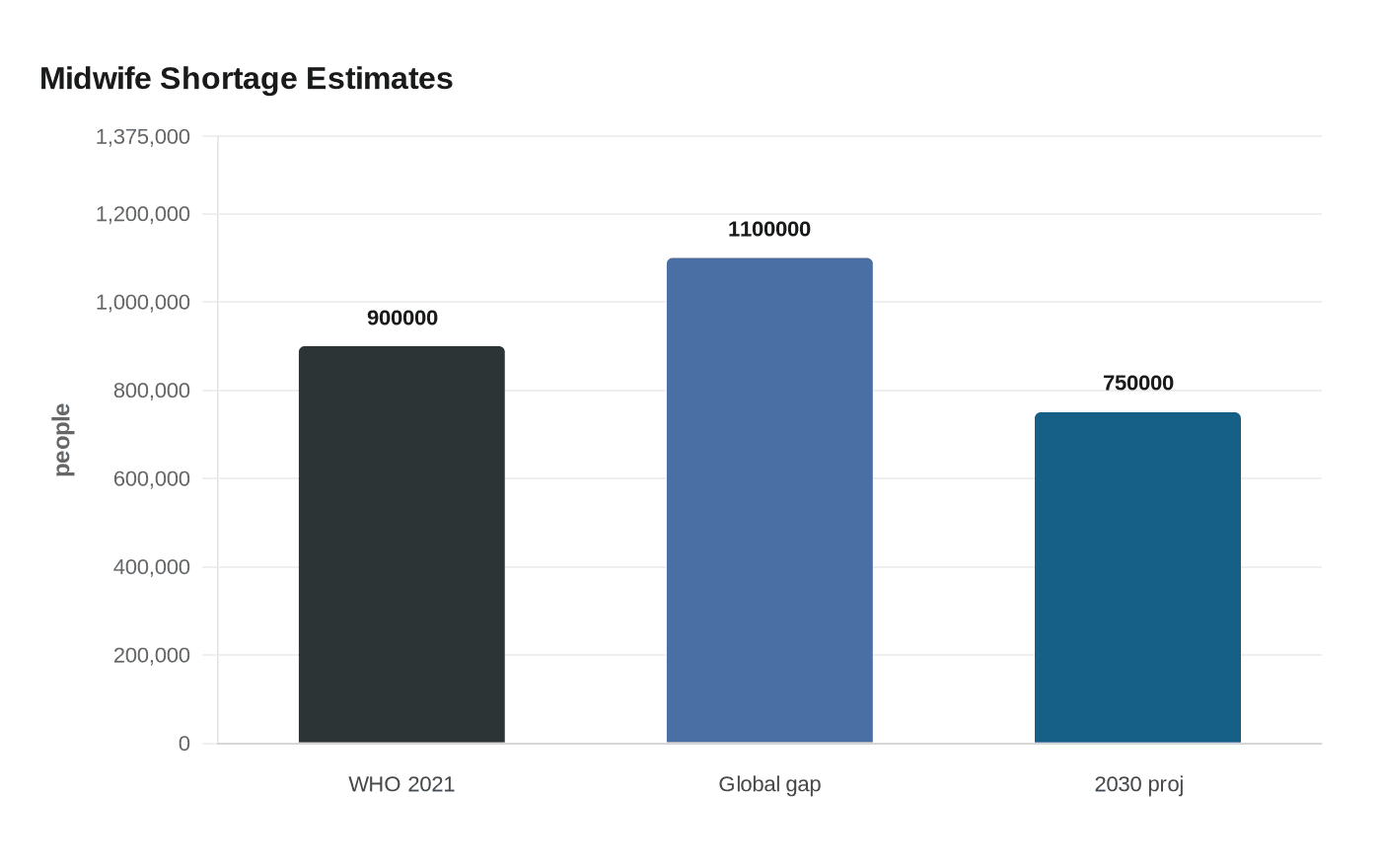
The World Health Organization’s State of the World’s Midwifery 2021 estimated a shortage of 900,000 midwives and a broader global gap of 1.1 million sexual, reproductive, maternal, newborn and adolescent health workers. UNFPA has said that if current trends continue, the midwife shortage would still stand at about 750,000 by 2030. WHO says the report covered the workforce across 194 countries and called for urgent investment in midwives and the systems that train and regulate them.
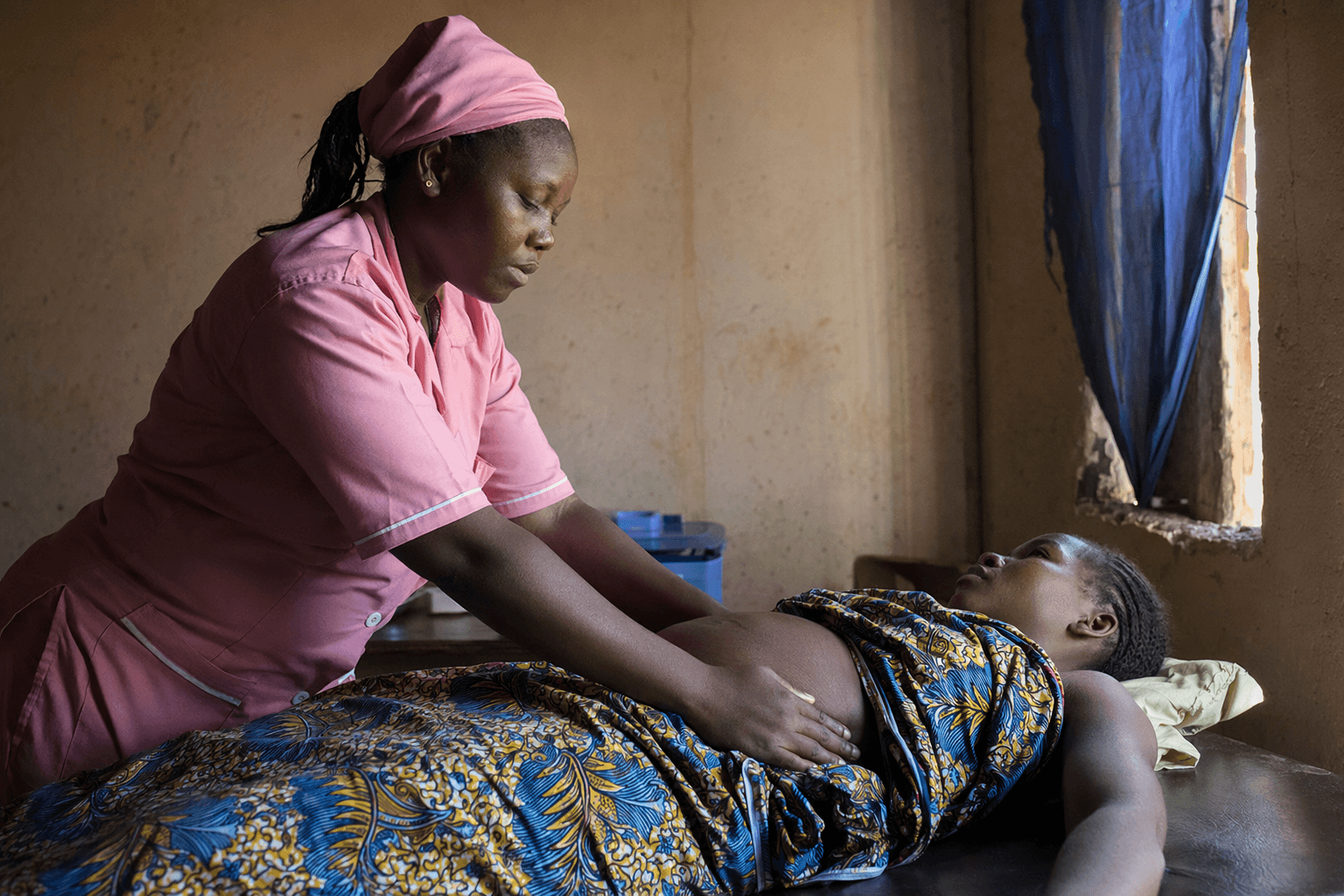
The stakes are visible in maternal mortality. WHO says about 260,000 women died during and following pregnancy and childbirth in 2023, and more than 90% of those deaths occurred in low- and lower-middle-income countries. The figures underline a basic institutional failure: the places with the greatest need often have the thinnest workforce, the weakest training pipelines and the least access to professional care.
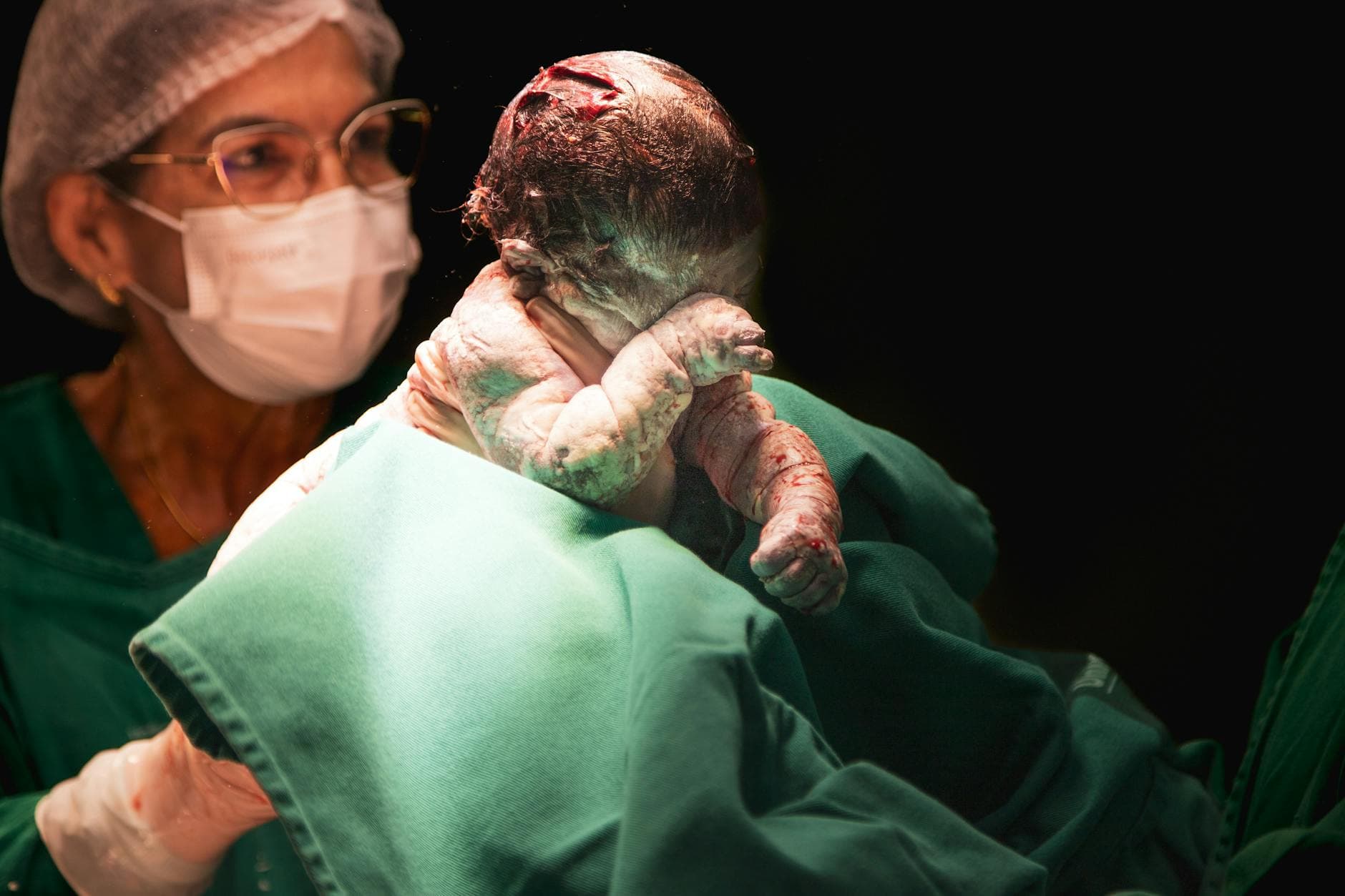
Advocates say the answer is not just more workers, but better-supported ones. ICM says educated and regulated midwives can deliver about 90% of essential sexual, reproductive, maternal, newborn and adolescent health services. Its partner materials say universal coverage of midwife care could avert 67% of maternal deaths, 64% of newborn deaths and 65% of stillbirths, while one million more midwives could save an estimated 4.3 million lives by 2035.
That makes the workforce question central to maternal health policy, not peripheral to it. Improving midwifery education to international standards, strengthening regulation and expanding staffing are presented by WHO as key steps to reducing maternal and newborn mortality and morbidity. The message from ICM, WHO and UNFPA is that maternal outcomes improve when governments treat midwives as core health infrastructure rather than an optional add-on.
ICM linked the campaign to its 34th Triennial Congress, scheduled for June 14 to 18 in Lisbon, Portugal, and held a virtual International Day of the Midwife event on May 5. With Anna af Ugglas and partner groups including PMNCH and the Royal College of Midwives backing the push, the profession used the day to argue that closing the midwife gap is one of the fastest ways to improve birth outcomes worldwide.
This article was produced by Prism’s automated news system from verified source data, official records, and press releases, then run through automated quality and moderation checks before publishing. The system is built and supervised by the people who set the standards it runs under. Read our full AI policy.
Did this article answer your question?