HHS launches push to curb antidepressant overprescribing, promote tapering
HHS moved to curb antidepressant overprescribing, but the safe way off these drugs is gradual tapering, not abrupt pressure.
Washington is preparing to pay clinicians to help some Medicare and Medicaid patients come off antidepressants, even as doctors warn that stopping these drugs is often a careful, symptom-managed process, not a switch to flip.
The U.S. Department of Health and Human Services announced the effort on May 4 at a Make America Healthy Again Institute summit on mental health and overmedicalization. Robert F. Kennedy Jr. said the new action plan would promote appropriate psychiatric prescribing and drive deprescribing when clinically indicated, part of a broader push to curb what he has long described as overuse of psychiatric medicine.
The plan, as described in the announcement and subsequent reporting, would create new Medicare and Medicaid payment pathways for clinician time spent helping patients discontinue antidepressants, produce federal training materials on the risks of psychiatric medicines and how to taper them, and develop expert-drafted deprescribing guidance. It also pushes clinicians toward non-pharmacological options such as therapy.
The stakes are large. Antidepressants, including SSRIs such as Zoloft and Prozac, are used by about 1 in 6 U.S. adults. At the same time, the National Institute of Mental Health says only about half of people with mental illnesses receive treatment at all, a gap that mental-health advocates say points to a deeper access problem than overuse. The American Psychological Association’s depression guideline recommends psychotherapy interventions as well as second-generation antidepressants for adults with depression.

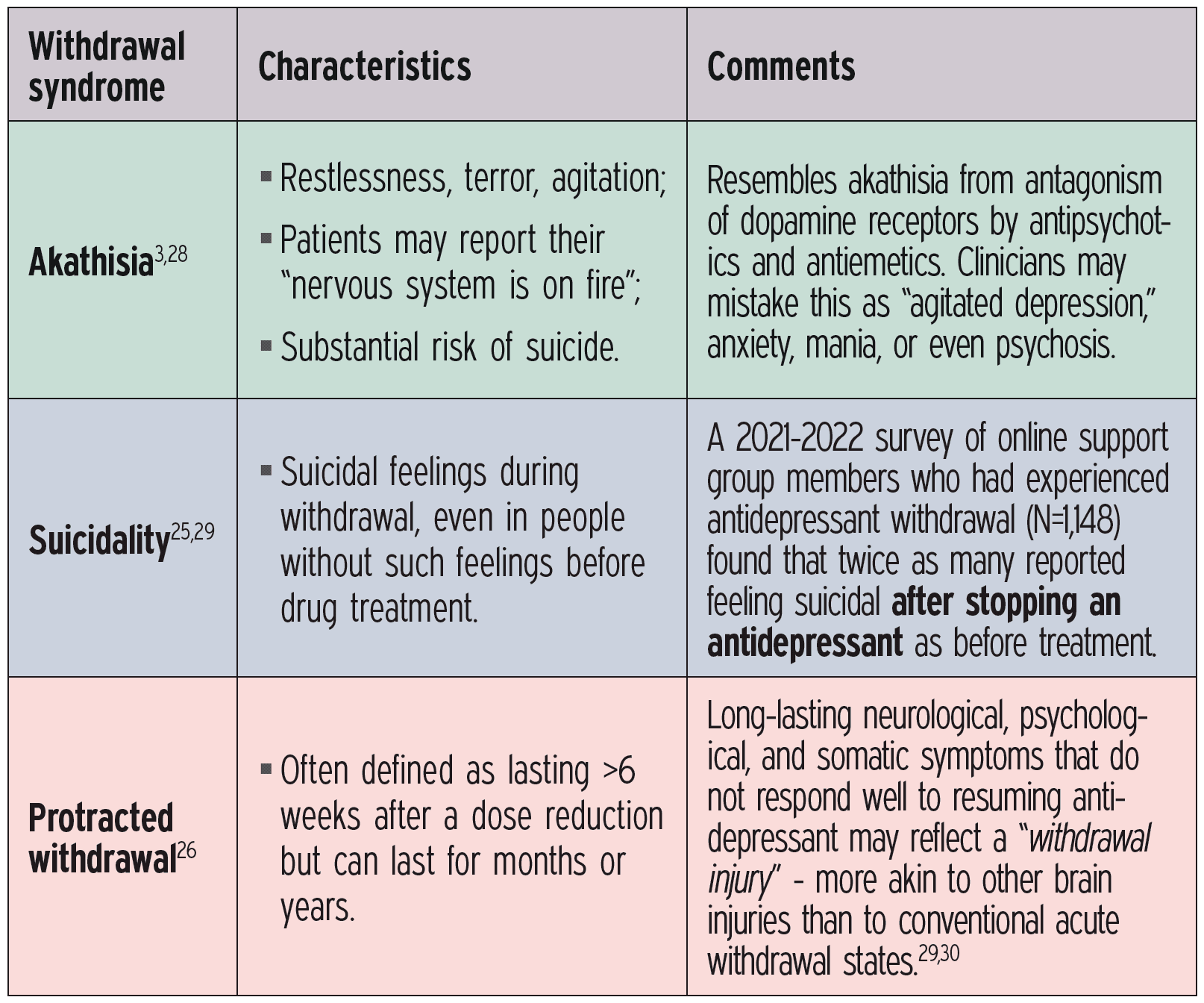
That balance matters because antidepressants can be difficult to stop. Drug labels and clinical sources warn that abrupt discontinuation can bring dizziness, nausea, lethargy, headache, insomnia and, in some cases, shock-like sensations. Food and Drug Administration labeling says tapering may be necessary to reduce those symptoms. A 2022 review found that longer treatment can increase the incidence and severity of withdrawal, and that paroxetine and SNRIs appear to carry higher withdrawal risk than some other antidepressants.
The policy debate also cuts across age groups. CDC and National Center for Health Statistics data showed 13.6% of U.S. adults used a prescription antidepressant in 2015 to 2018, while a separate study found dispensing to adolescents and young adults rose 46.1% from 2016 to 2022. National Alliance on Mental Illness has warned against treating antidepressants as addictive in the same way as controlled substances, while also acknowledging the FDA’s black-box warning on suicidality risk for children and adolescents treated with antidepressants.
Psychiatrists and patient advocates are likely to support deprescribing when it is clinically appropriate, but only with time, therapy and follow-up. That is the tension at the center of the new HHS push: some Americans do want off antidepressants, yet the medicine says the path off them must be supervised, gradual and individualized, not dictated by ideology.
This article was produced by Prism’s automated news system from verified source data, official records, and press releases, then run through automated quality and moderation checks before publishing. The system is built and supervised by the people who set the standards it runs under. Read our full AI policy.
Did this article answer your question?