WHO probes rare person-to-person hantavirus spread on Antarctic cruise ship
Three deaths on the MV Hondius have pushed investigators to test a rare question: did hantavirus pass between cabinmates at sea?
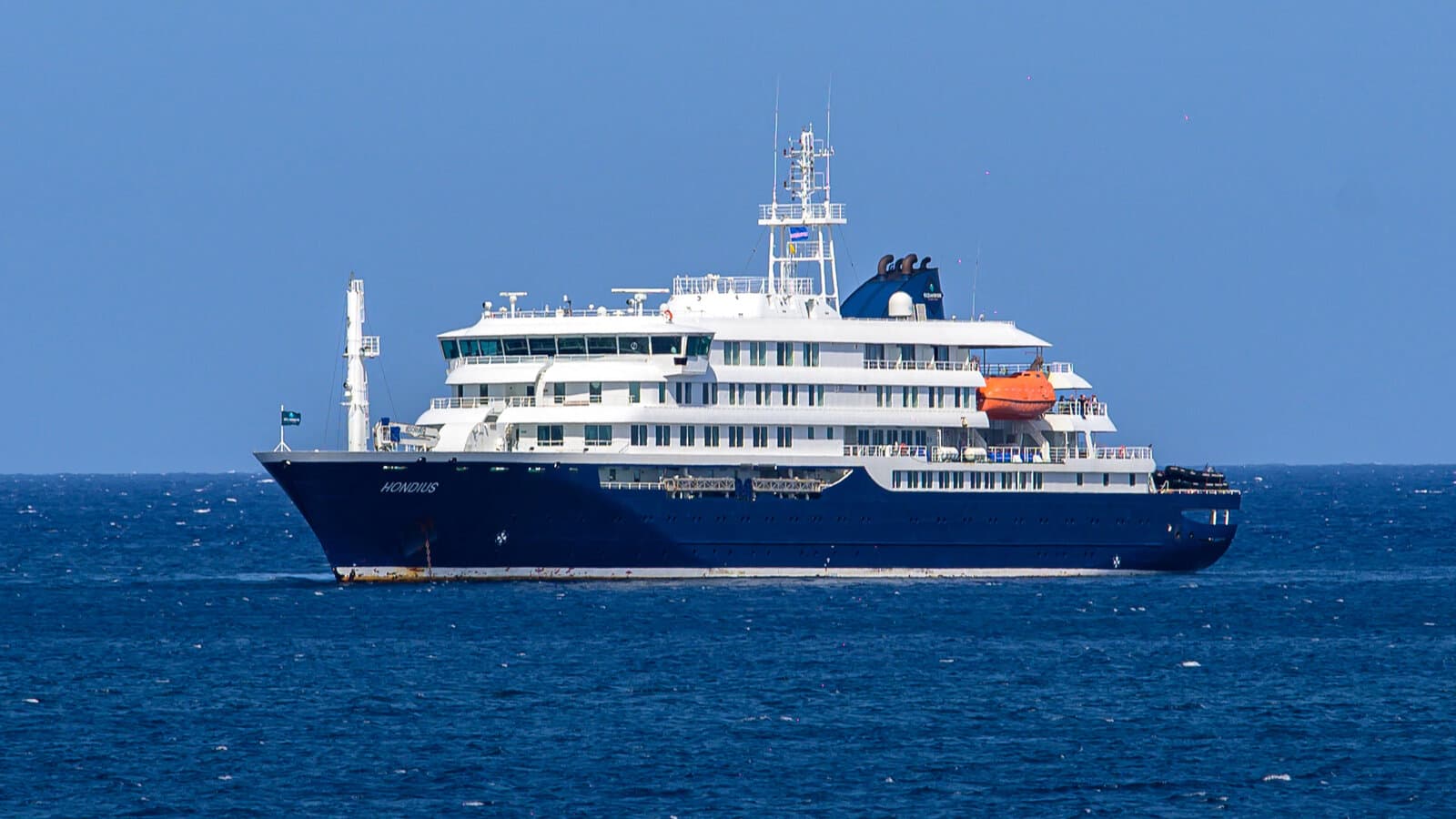
A cluster of hantavirus cases aboard the Dutch-flagged cruise ship MV Hondius has raised the unusual possibility of person-to-person spread, with three deaths, one critically ill patient and three passengers reporting mild symptoms among seven identified cases.
The World Health Organization said it was notified on 2 May and reported the outbreak on 4 May. By then, investigators had identified two laboratory-confirmed infections and five suspected cases, with illness beginning between 6 and 28 April and progressing in some patients from fever and gastrointestinal symptoms to pneumonia, acute respiratory distress syndrome and shock.
The Hondius carried 147 passengers and crew, including 88 passengers and 59 crew members from 23 nationalities. It left Ushuaia, Argentina, on 1 April and followed a South Atlantic route that included mainland Antarctica, South Georgia, Nightingale Island, Tristan da Cunha, Saint Helena and Ascension Island. WHO said the source of exposure was still being investigated, including possible contact with wildlife or exposure before departure in Ushuaia.
That investigation matters because hantaviruses are usually caught from infected rodents through urine, feces or saliva, not in the way most cruise-ship outbreaks spread. WHO and the European Centre for Disease Prevention and Control said limited human-to-human transmission has previously been reported with Andes virus, a hantavirus strain found mainly in South America. Maria Van Kerkhove said investigators were considering whether spread might have occurred among very close contacts, adding, "We do believe that there may be some human-to-human transmission that's happening among the really close contacts, the husband and wife, people who've shared cabins."
For passengers on board, the response has been a mix of isolation, care, monitoring and medical evacuation rather than a blanket public shutdown. WHO said at least two symptomatic passengers were being medically evacuated, while Spain’s Ministry of Health said epidemiologists would board the vessel to screen passengers and assess risk. Mohamed Yakub Janabi, WHO Regional Director for Africa, called it "a serious but contained event" and said there was no need for panic or travel restrictions at this stage.
The broader public-health message is unusually stark for a cruise case. The CDC’s cruise-ship outbreak system is built largely around gastrointestinal illness and posts outbreaks when 3% or more of passengers or crew report symptoms, but the Hondius event is being treated as a special public-health investigation because the pathogen is not the familiar norovirus or stomach bug. WHO said the global risk remains low, and the ECDC said the risk to Europeans was very low while control measures were being put in place on board.
Know something we missed? Have a correction or additional information?
Submit a Tip