Gilead's twice-yearly HIV shot gains users, but access barriers slow rollout
Yeztugo can be dosed twice a year, but prior authorizations, cost-sharing and uneven reimbursement are keeping many patients from getting it.
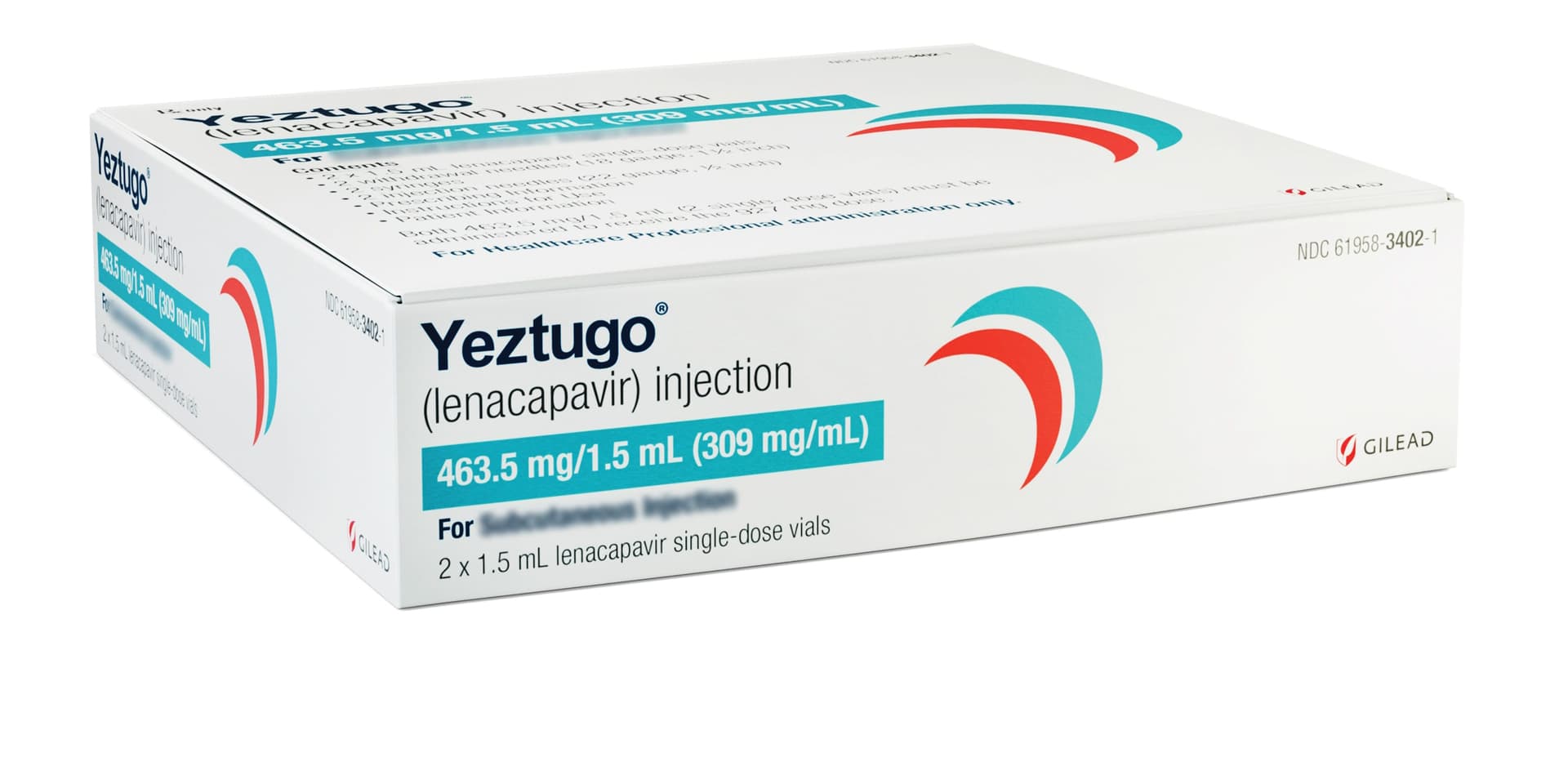
The access problem is now the story. Gilead Sciences’ twice-yearly HIV prevention injection, Yeztugo, has drawn early interest since regulators cleared it, but insurance coverage gaps, out-of-pocket costs and appointment hurdles are slowing the rollout of a drug meant to make prevention easier.
The U.S. Food and Drug Administration approved lenacapavir as PrEP on June 18, 2025 for adults and adolescents weighing at least 35 kilograms, making Yeztugo the first and only twice-yearly HIV prevention option in the United States. The Centers for Disease Control and Prevention later called the shot a significant additional option for HIV prevention and issued clinical recommendations on September 18, 2025.
That scientific milestone has collided with a stubborn reality in the U.S. market. Some patients like the idea of skipping a daily pill, but others do not want to return to a clinic every six months, navigate coverage disputes or risk side effects such as small nodules at the injection site. At Montefiore AIDS Center in New York, Dr. Barry Zingman said the clinic has close to 75 people on Yeztugo, fewer than expected, even though about 700 patients there take PrEP, the broader class of medications used to prevent HIV infection.
The broader prevention gap is large. In 2022, about 36% of the 1.2 million Americans who could benefit from PrEP were prescribed it, and the CDC has said persistent gaps remain for women, Black and Hispanic Americans and people in the U.S. South. More than 100 people were diagnosed with HIV every day in the United States in 2023, underscoring how much room remains for prevention to improve.
Price is central to the rollout. Gilead says Yeztugo’s list price is $28,218 for the injection year, plus $2,351.50 for the oral initiation component. The company says its Advancing Access co-pay program can reduce out-of-pocket costs to as little as $0 for eligible commercially insured patients, while eligible uninsured patients may receive the medication free through a patient assistance program.
Gilead says it is working with insurers, healthcare systems and other payers to broaden coverage, but the early experience with Yeztugo shows how a medical breakthrough can still move slowly when access, affordability and behavior do not line up. In HIV prevention, the barrier is no longer whether the drug works. It is whether patients can actually get it.
This article was produced by Prism’s automated news system from verified source data, official records, and press releases, then run through automated quality and moderation checks before publishing. The system is built and supervised by the people who set the standards it runs under. Read our full AI policy.
Did this article answer your question?