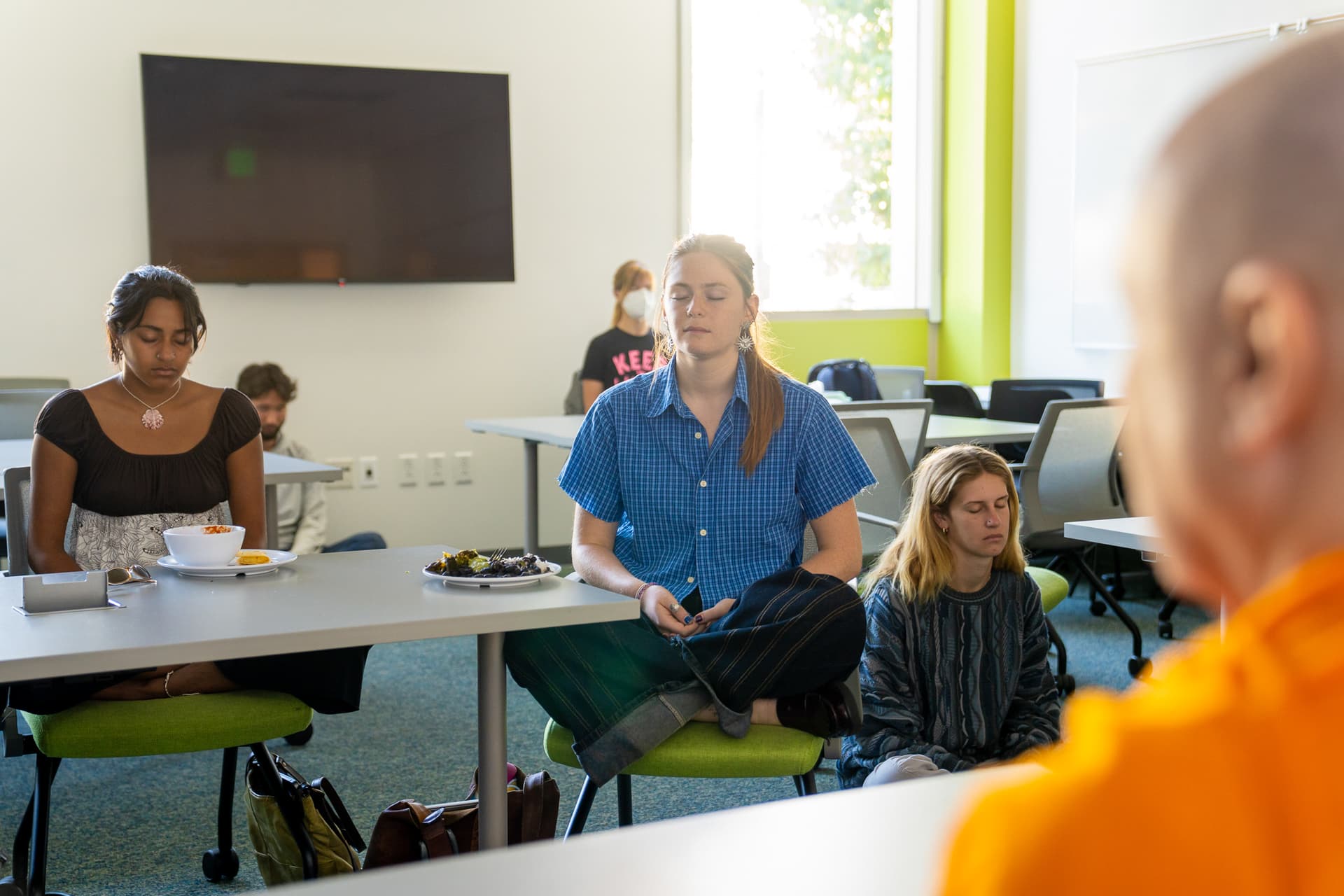
WSU Mindfulness Symposium on Psychological Flexibility, featuring Russ Harris, Kelly G. Wilson
WSU held a full-day Mindfulness Symposium March 7, 2026, at the Lewis Alumni Centre, featuring “two distinguished guest keynote presenters, Drs. Kelly Wilson and Russ Harris, MD.”
Washington State University convened a full-day Mindfulness Symposium March 7, 2026, at the Lewis Alumni Centre on the Pullman campus, focusing on the theme “Psychological Flexibility in Practice, Research, and Lived Experience.” The event ran 10:00 a.m. to 5:00 p.m., combined in-person sessions with Zoom access for remote participants, and billed its keynote roster as “two distinguished guest keynote presenters, Drs. Kelly Wilson and Russ Harris, MD.”
Organizers required registration prior to the event and posted tiered fees on the CAHNRS page: “$5 for in-person WSU students,” “$35 for in-person faculty, staff, and community members,” “$10 for online faculty, staff, and community members,” and “$0 for online students.” The CAHNRS listing also advised that in-person attendees “will be provided with light morning refreshments and a catered lunch,” and offered financial assistance direction for students in need via shane.mcfarland@wsu.edu.
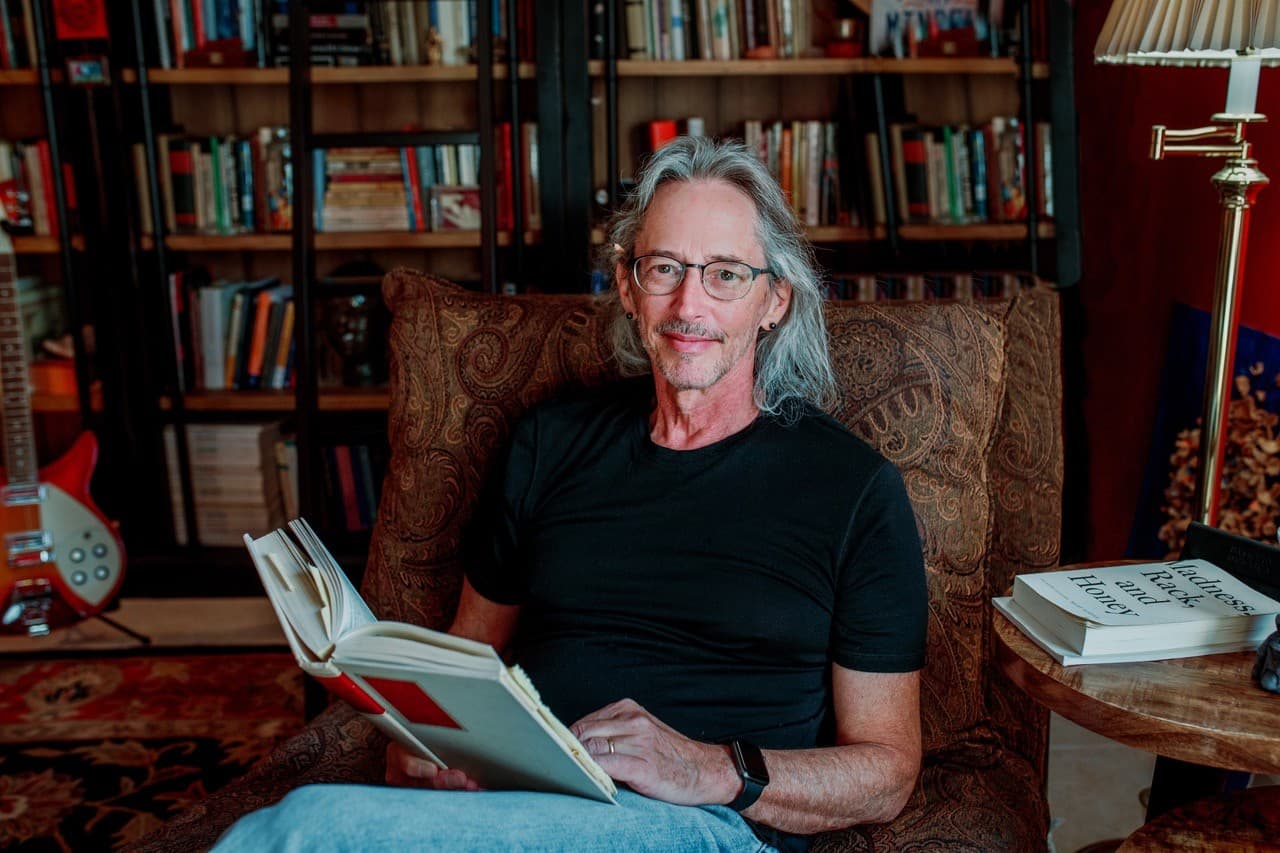
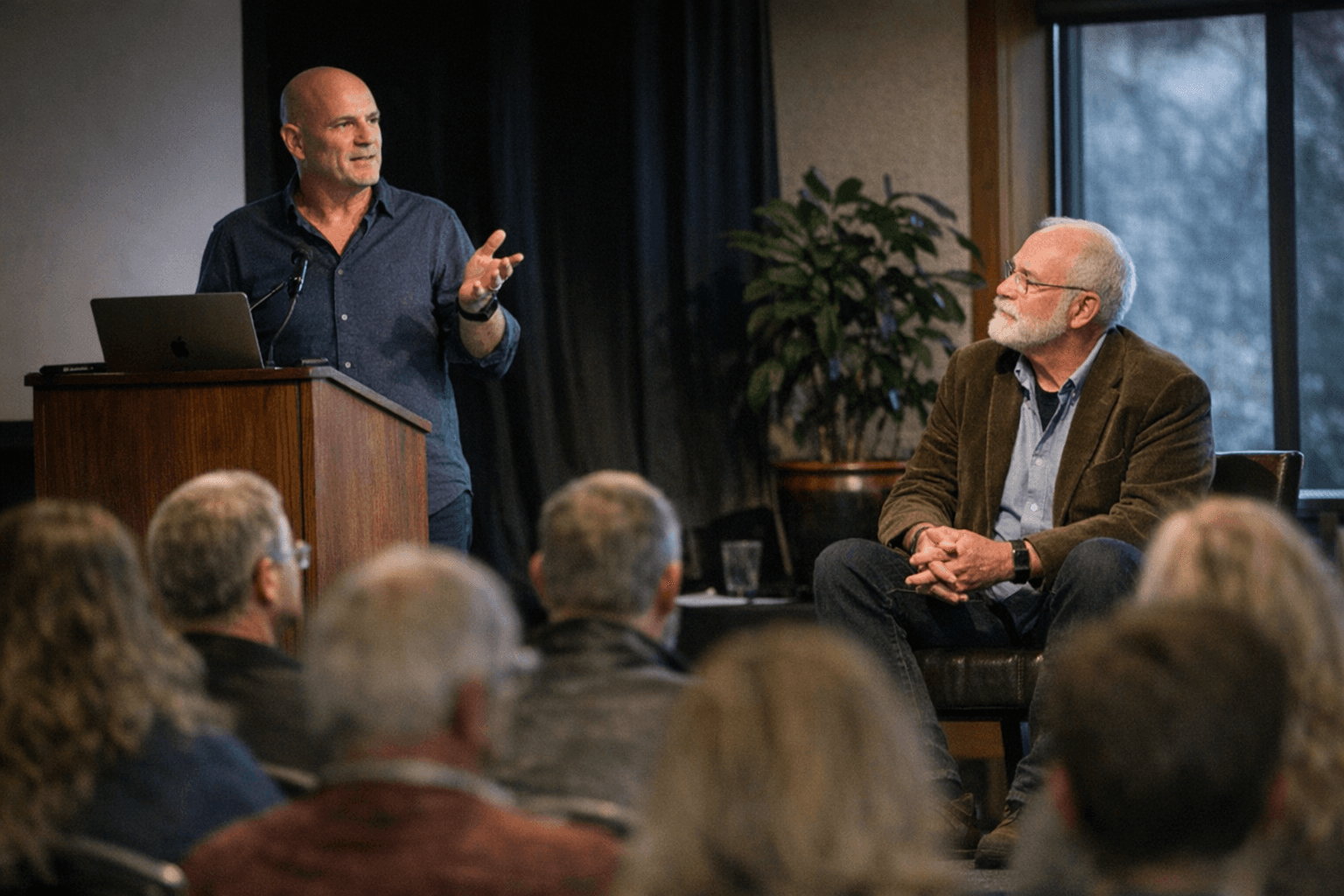
The program highlighted Kelly Wilson and Russ Harris, MD, as high-profile contributors to Acceptance and Commitment Therapy; the CAHNRS page displayed a “Headshot of Dr. Kelly Wilson” and a “Headshot of Russ Harris, MD” alongside their names. The 2026 page carried a “Schedule Overview (tentative)” and a call for presenters, “Interested in presenting at the symposium? Apply below,” though detailed session titles, breakout leaders, and exact keynote timeblocks were not listed in the supplied materials.
The symposium framed its work around a research-informed definition of psychological flexibility drawn from Hayes and colleagues: “Resilience factor, psychological flexibility, represents nonjudgmental and adaptive interactions one has with their own thoughts and emotions and context (Hayes et al., 1999; Hayes et al., 2006).” CAHNRS and affiliated labs cited that “Psychological flexibility is considered a core component of positive psychological functioning based on the Acceptance and Commitment Therapy perspective (Hayes et al., 2006).” One lab report referenced an empirical project in which “A young adult sample (N = 432) participated in an online survey assessing these constructs,” finding that “self-compassion and psychological flexibility associated with body-related emotions, supporting adaptive emotional experiences with greater self-compassion and psychological flexibility,” and that “mindfulness during yoga was linked to the improvement in body image and internal reasons for exercise over time.”
The Center for Transformational Learning & Leadership served as sponsor, and the event listed partners across WSU units including WSU Global Campus, Health and Wellness Online, Wellbeing Online / University Recreation’s Wellbeing Online, the Honors College, the Department of Psychology, the Department of Sociology, and the College of Education, Sport, and Human Sciences, with the Department of Integrative Physiology and Neuroscience appearing on prior-year materials. CAHNRS identified the 2026 Mindfulness Symposium Committee as the organizer and preserved the Notices and Announcements disclaimer on its event page.
The March 7 symposium continued WSU’s annual series that previously staged events on Feb. 22, 2025, and March 30, 2024, and it maintained the program’s research-practice emphasis by centering ACT-informed psychological flexibility alongside empirical findings from campus labs.
Know something we missed? Have a correction or additional information?
Submit a Tip