Xi and Putin tout historic China-Russia ties after Trump visit
Xi and Vladimir Putin signed more than 40 deals in Beijing, signaling they can tighten coordination just days after Trump’s visit. Trade, energy and sanctions resistance were the real message.
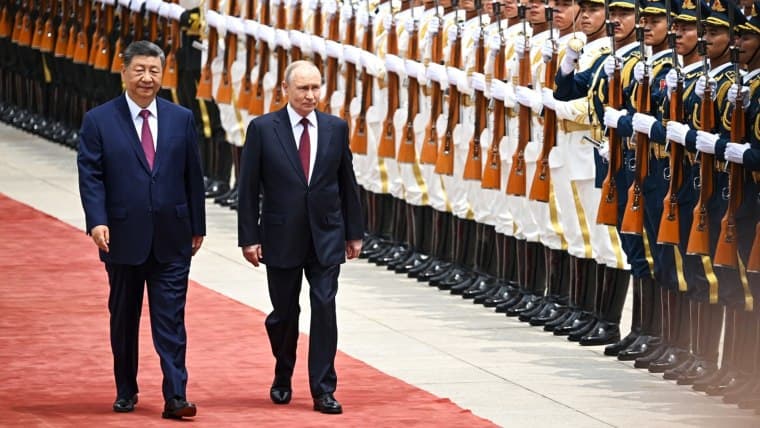
China and Russia used a high-profile Beijing summit to show they can still move in lockstep even after Xi Jinping hosted Donald Trump days earlier. Meeting in the Great Hall of the People on Wednesday, Xi and Vladimir Putin marked the 25th anniversary of the China-Russia Treaty of Good-Neighborliness and Friendly Cooperation and presented the relationship as a strategic counterweight to U.S. pressure.
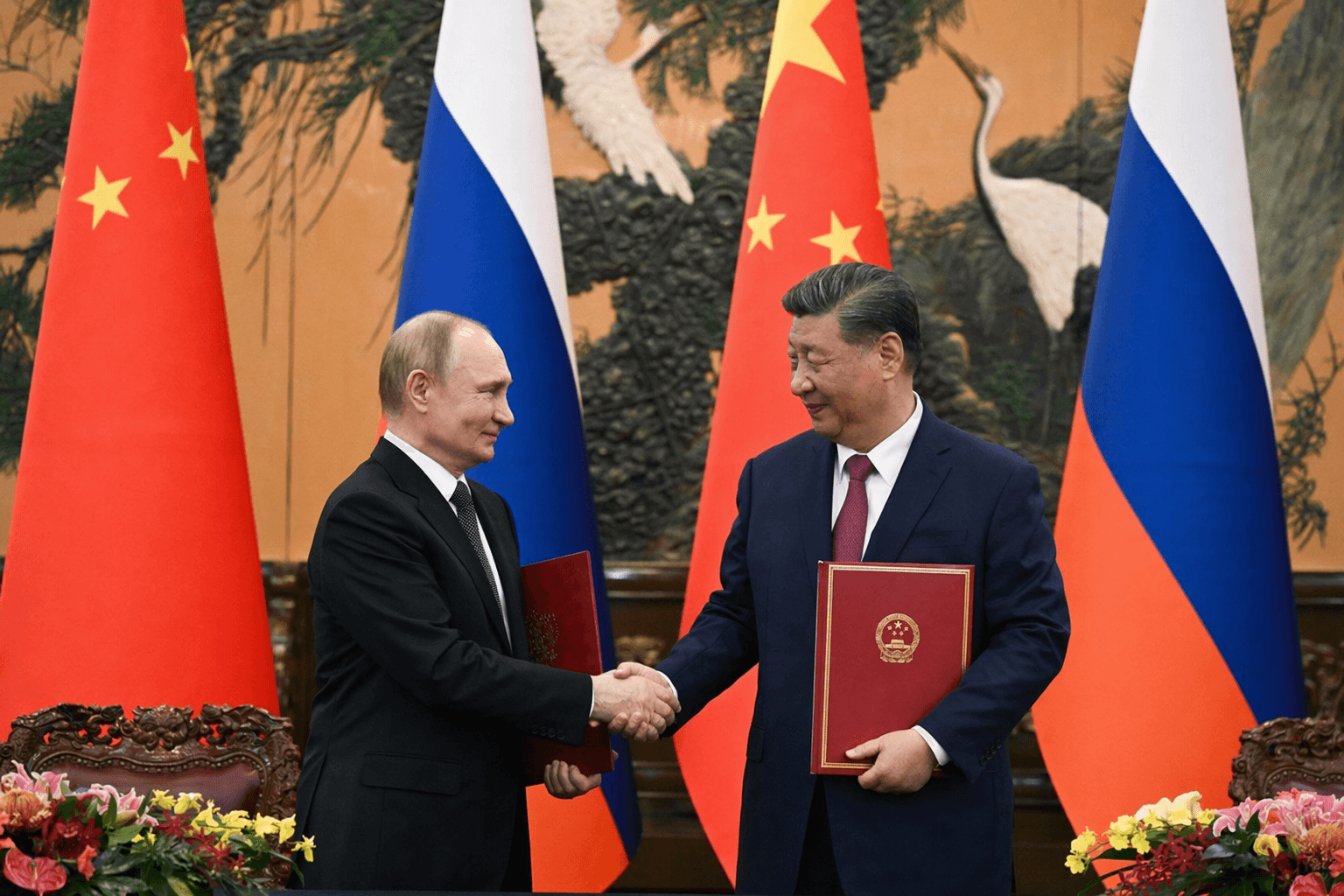
Putin said ties had reached an “unprecedentedly high level,” while Xi called the relationship “unyielding” and said it had reached the “highest level in history.” The two leaders oversaw the signing of more than 40 cooperation agreements spanning trade, technology and media exchanges, and agreed to extend a friendship treaty first signed in 2001. The Kremlin said the talks were meant to cover economic cooperation as well as major international and regional issues.
The practical stakes are bigger than the ceremony. China became Russia’s top trading partner after Moscow’s full-scale invasion of Ukraine in 2022 cut it off from many Western markets, and Beijing has kept buying Russian energy while formally claiming neutrality. China-Russia trade hit a record 1.74 trillion yuan, or $237 billion, in 2024, but the pace weakened in 2025 for the first time in five years as payment hurdles, lower oil prices and weaker Chinese car exports to Russia slowed the flow. China’s customs data also showed bilateral trade growth had already slowed in 2024, in part because of sanctions-related disruptions after U.S. penalties on banks dealing with Russia.
Energy remained central to the message. Putin said Russia was a reliable supplier of resources and China a responsible consumer, a pointed reminder that oil and gas still anchor the partnership even as broader commerce faces strain. Yet there was no visible progress on the long-delayed Power of Siberia 2 gas pipeline, a project Moscow has pushed to deepen exports to China.
Both governments also sharpened their criticism of Washington. Xi repeated attacks on “unilateralism and hegemonism,” language widely understood as aimed at U.S. policy, while Chinese and Russian officials said U.S. missile-defense plans threatened strategic stability. Their joint pushback suggests that Beijing and Moscow are not just preserving ties after Trump’s visit, but publicly signaling they can coordinate more closely on sanctions resistance, diplomacy and security as Washington tries to manage both rivals at once.
Know something we missed? Have a correction or additional information?
Submit a Tip