Yemen rivals agree to free more than 1,600 detainees in largest swap
Yemen’s biggest prisoner swap in years may ease family suffering, but it also tests whether detainee deals still stand in for a stalled peace process.

Yemen’s biggest detainee exchange in the war’s 11-year history signaled both the limits and the persistence of diplomacy in a conflict that has long outpaced peace talks. The internationally recognized government and the Iran-backed Houthi movement agreed to free more than 1,600 detainees after 14 weeks of negotiations in Amman, Jordan, a deal the UN special envoy’s office called unprecedented in the current war.
The agreement, reached under UN auspices and witnessed by UN officials and the International Committee of the Red Cross, was still facing the hardest question in Yemen’s conflict: whether paper commitments can survive the logistics of release, transfer and repatriation. The ICRC said it was ready to help move detainees once the releases begin, while UN envoy Hans Grundberg said the arrangement covered the largest release of conflict-related detainees so far. It was not immediately clear when the handover would start.
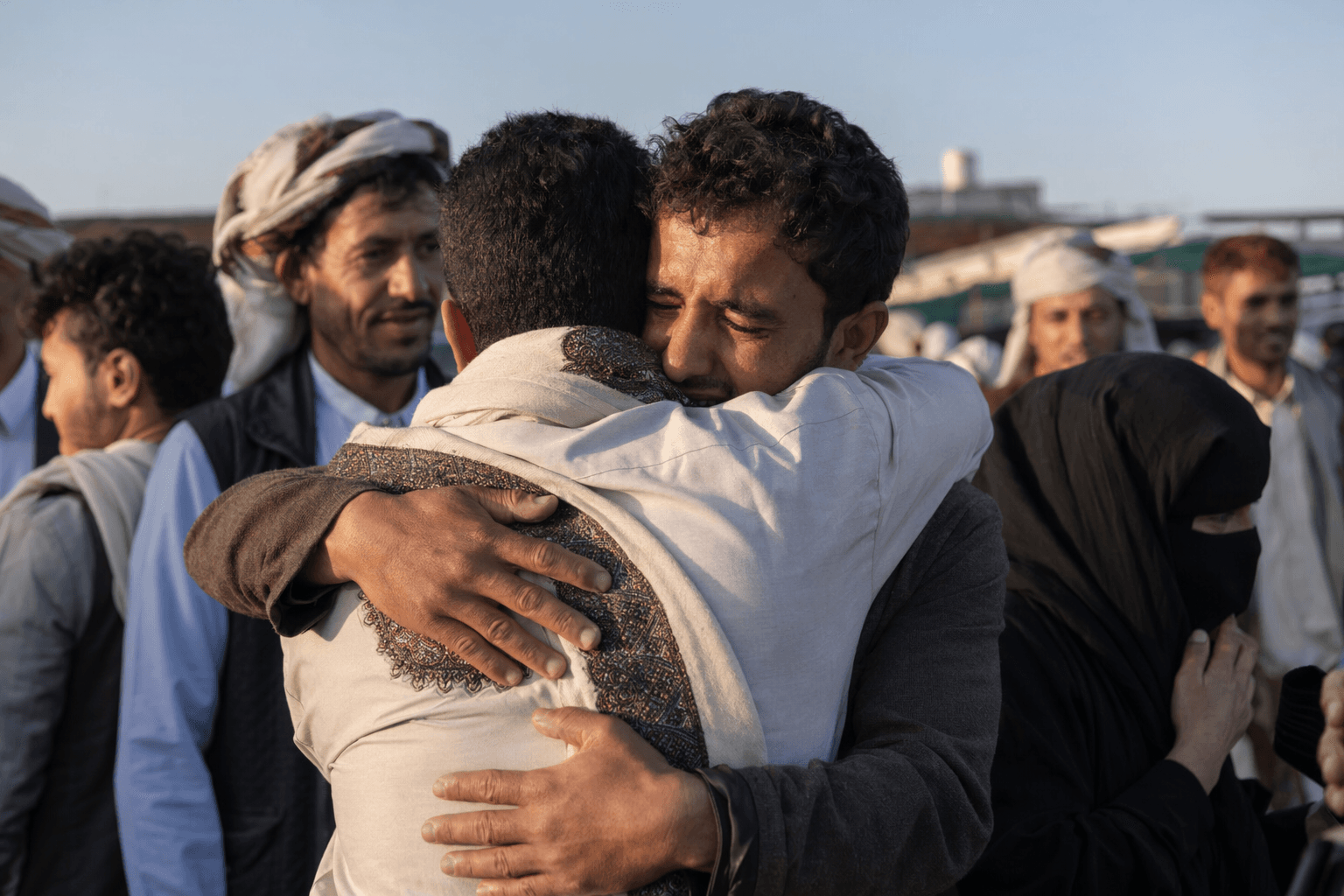
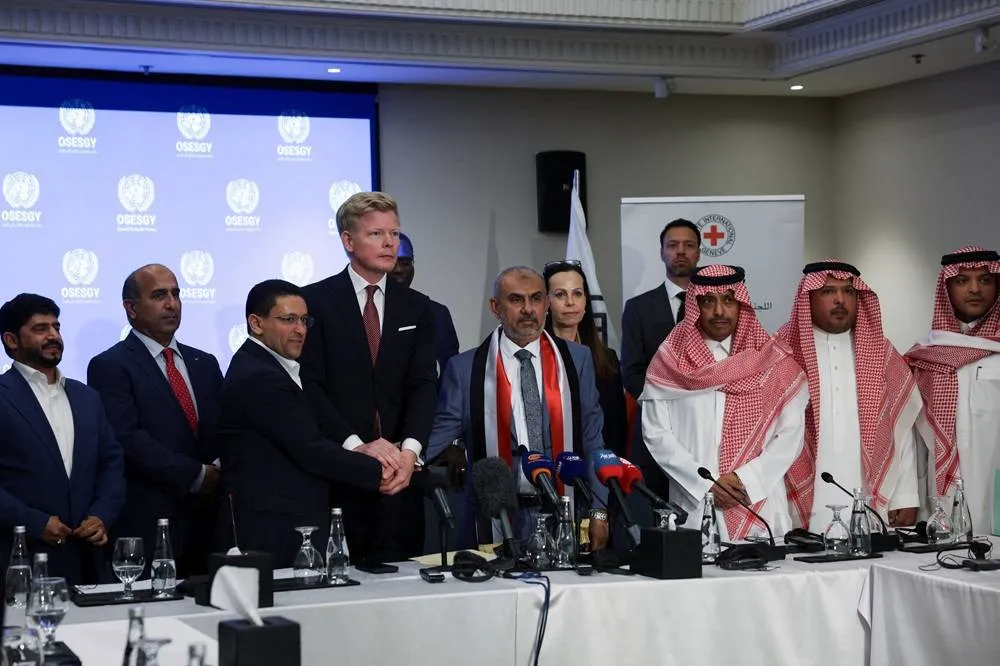
The numbers show why the swap matters politically as well as humanely. Abdelkader al-Murtada, the Houthi official who helped lead the talks, said 1,100 of the almost 1,700 detainees are Houthi-affiliated, while seven Saudis and 20 Sudanese are among the roughly 580 detainees to be released by the other side. Yahya Kazman, who heads the government delegation, said Houthi-held detainees to be freed also include politicians and media professionals, underscoring how deeply the war has reached beyond the battlefield into state institutions and public life.

The deal builds on the framework set by the 2018 Stockholm Agreement, which created a Supervisory Committee on the Detainees Release Agreement and invoked an all-for-all principle that the two sides are again using as their basis. It also follows earlier exchanges that showed how prisoner swaps have become one of the few mechanisms still moving in Yemen: the ICRC said it carried out more than 900 detainee releases in 2020 and more than 1,000 in 2023.
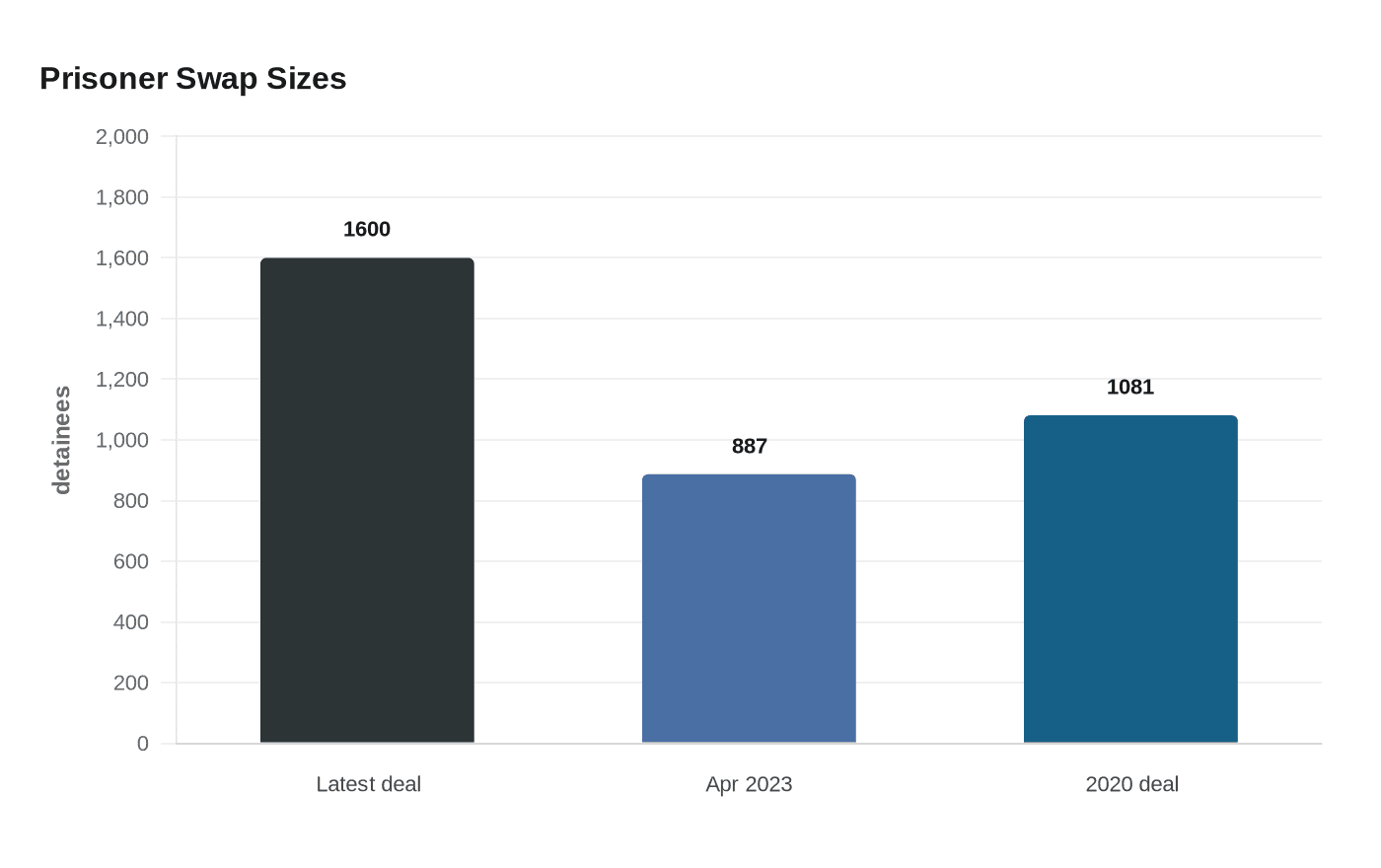
Even by those standards, the latest agreement stands apart. A major exchange in April 2023 freed 887 prisoners over three days, and a 2020 deal involved 1,081 prisoners, including 15 Saudis. The new release is larger, but it does not alter the deeper stalemate that began after the Houthis seized Sanaa in 2014 and Saudi-led intervention followed in 2015. For thousands of families separated by front lines, prisons and years of silence, the swap offers relief. For the wider war, it remains an open test of whether limited humanitarian deals can still create enough trust to reopen negotiations on a broader settlement.
This article was produced by Prism’s automated news system from verified source data, official records, and press releases, then run through automated quality and moderation checks before publishing. The system is built and supervised by the people who set the standards it runs under. Read our full AI policy.
Did this article answer your question?


