Yesway IPO spotlights convenience stores stealing food traffic from fast-food chains
Yesway raised $280 million in its Nasdaq debut as Tom Trkla said convenience stores are winning breakfast and lunch traffic from fast-food chains.
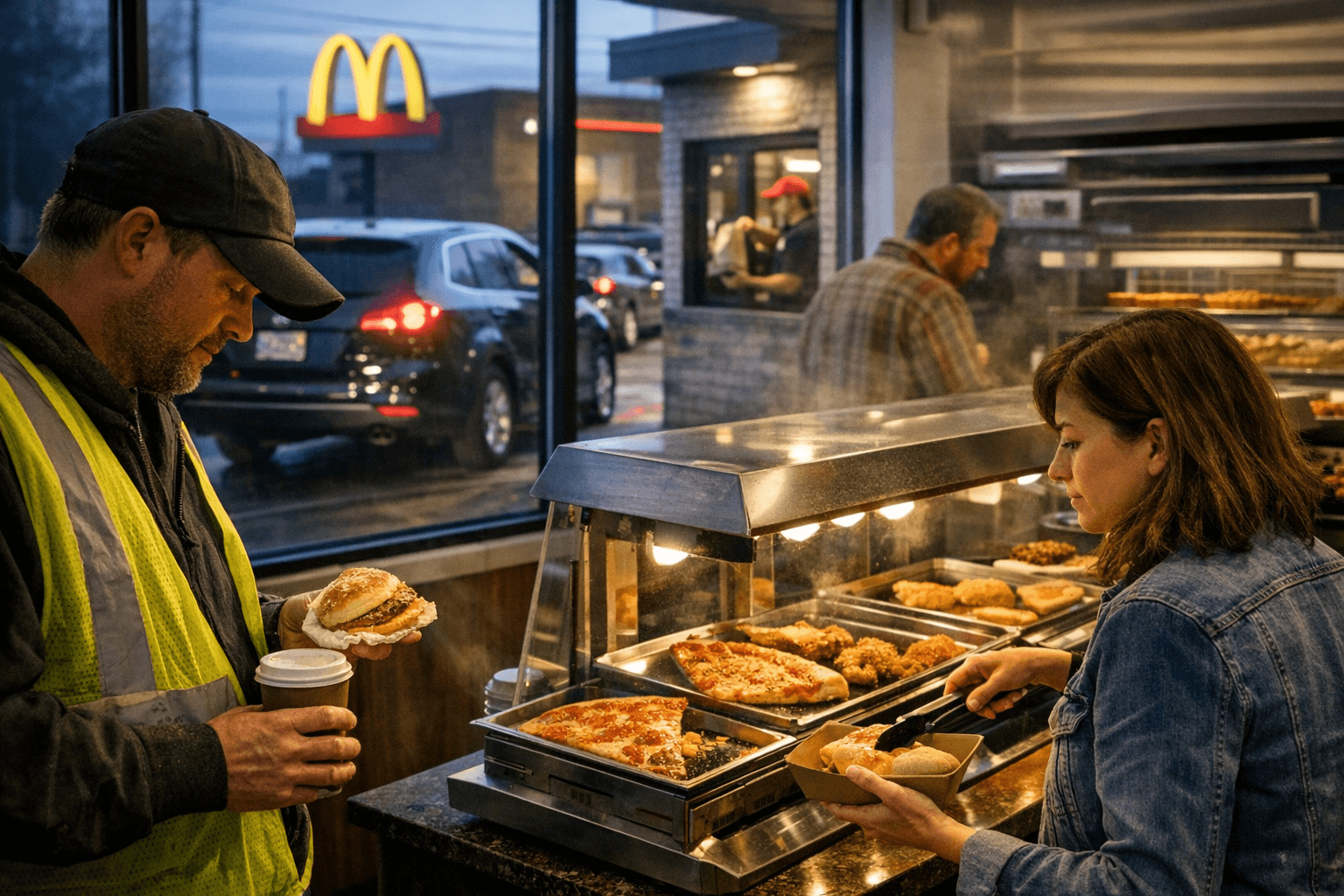
Fast-food chains are losing another piece of the low-cost meal business to an unexpected rival: the convenience store. Yesway’s Nasdaq debut put that shift on display, with the Fort Worth-based operator pricing its initial public offering at $20 a share, raising $280 million and briefly reaching a valuation of about $1.21 billion as the stock opened stronger and closed at $21.23 on April 22.
The offering was launched on April 13 with 13,953,488 shares of Class A common stock in an expected range of $20 to $23, then upsized to 14 million shares at the low end of that range. Tom Trkla, Yesway’s chairman, president and chief executive, used the moment to argue that the company and its Southwestern banner, Allsup’s, are taking food sales from both convenience-store rivals and quick-service restaurants. He pointed to burritos and chimichangas as signature items that have turned the brand into a meal stop, not just a place to buy fuel.
That food bet is central to Yesway’s growth story. Allsup’s sold about 41 million proprietary food items in 2025, including 24 million burritos, a scale that shows how deeply prepared food has been woven into the business. Yesway still relies on fuel for roughly two-thirds of revenue, but merchandise inside the store makes up the other third, and Trkla has said demand for food remains strong even when fuel prices rise because customers are not stopping only for gas.
The company’s history explains why the market is paying attention. Yesway was founded in 2015 by Brookwood Financial and Trkla. In November 2019, it acquired Allsup’s, nearly tripling the chain to 403 stores and extending its reach across Texas, New Mexico and Oklahoma. That footprint gives Yesway a broad base in regions where grab-and-go meals, coffee and late-night food runs are part of the daily routine.
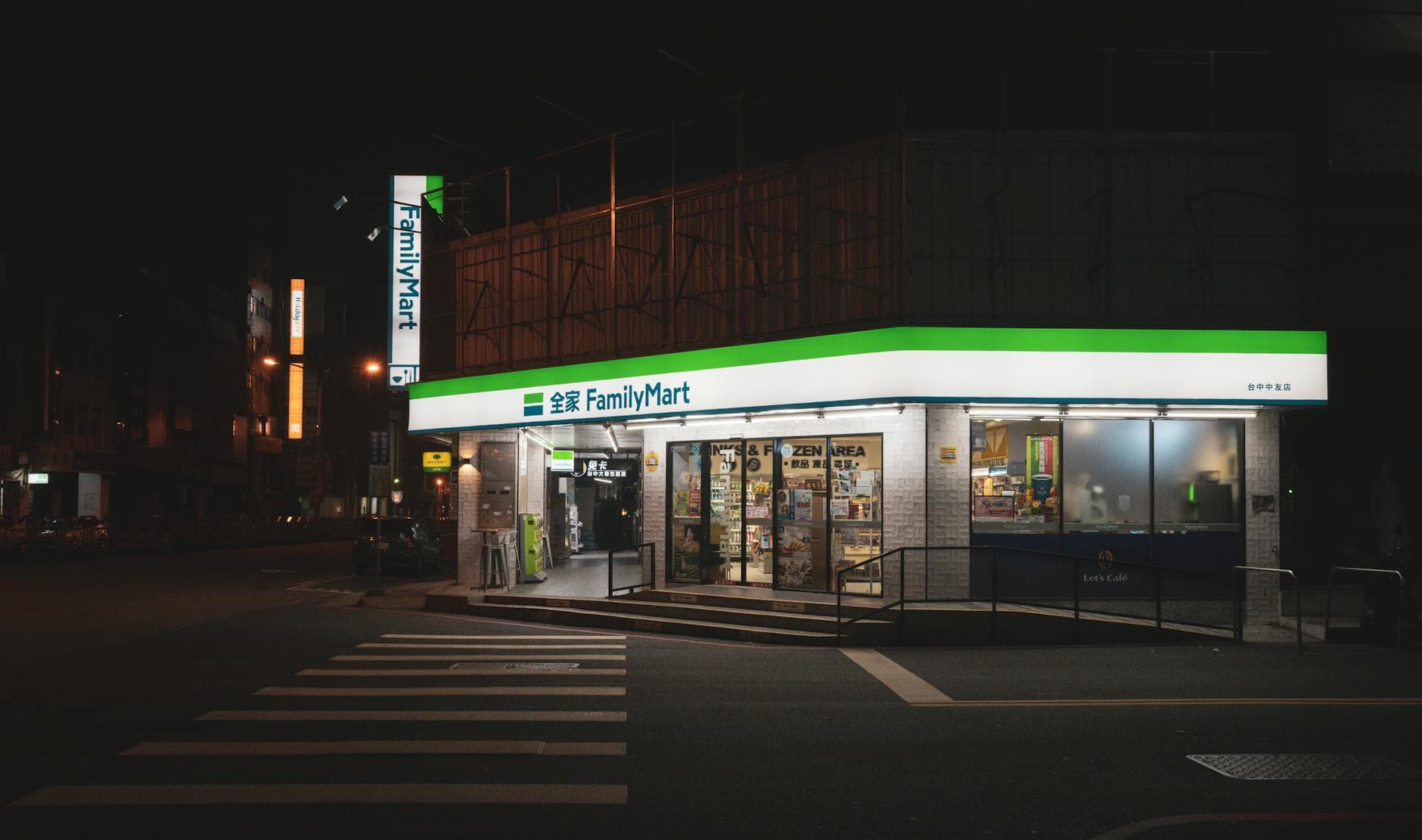
The broader convenience-store industry is making the same case. National Association of Convenience Stores data show total convenience-store sales reached $837.4 billion in 2024, with in-store sales at $335.5 billion. Foodservice has overtaken cigarettes as the largest category in the store, and NielsenIQ says the average U.S. convenience-store shopper visits more than three times a week, creating repeated chances to sell breakfast, lunch and dinner.
That frequency is why the competition now reaches beyond gas stations. American Customer Satisfaction Index research found that cooked-food quality at Wawa, Buc-ee’s, Casey’s General Stores, Kwik Trip and Sheetz meets or exceeds fast-food chains on that measure, with Wawa leading the category in 2024. Yesway’s debut signals that the fight for cheap, fast meals is no longer confined to burger counters. It is moving into the aisles, the drive-thru lanes and the parking lots of America’s convenience stores.
This article was produced by Prism’s automated news system from verified source data, official records, and press releases, then run through automated quality and moderation checks before publishing. The system is built and supervised by the people who set the standards it runs under. Read our full AI policy.
Did this article answer your question?

