Yin Yoga Teacher Bernie Clark Releases Prana: One Breath, Many Worlds
Bernie Clark released Prana - One Breath, Many Worlds, a hybrid memoir and inquiry into prana and breath, offering yin teachers and students new material and perspectives to bring into practice.
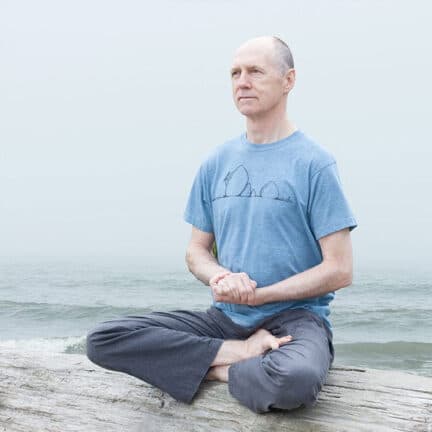
Bernie Clark has released Prana - One Breath, Many Worlds, a book that blends personal memoir with philosophical and practical inquiry into prana and the role of breath in practice. The announcement appeared in the YINSiGHTS newsletter on February 1, 2026, and marks the latest project from a well-known voice in the yin yoga community.
Prana - One Breath, Many Worlds is described as part memoir and part inquiry, a framing that signals the book will mix life stories with explorations of breath, energy, and how those themes inform teaching and practice. For yin teachers, teachers-in-training, and regular practitioners, that mix matters: Bernie Clark’s reflections on lineage, pedagogy, and personal practice offer material that can be adapted into class themes, teacher training discussions, and at-home contemplative practices.
Bernie Clark’s standing as a respected yin teacher and author means this release is likely to influence studio syllabi and workshop offerings. The book’s emphasis on prana connects with longstanding concerns in the community about integrating energetic language into safe, accessible sequencing and cueing. Teachers who balance somatic experience with clear physiological grounding will find the book relevant to classroom framing and to deepening conversations about breath-work in longer-held poses.
The practical value of Prana - One Breath, Many Worlds is immediate. Instructors can mine memoir passages for storytelling that humanizes themes like surrender and attention, while the inquiry sections can be used as prompts for guided meditation, breath-awareness exercises, and reflective journaling for students. For practitioners, Bernie Clark’s blend of lived experience and conceptual exploration offers tools to bridge intellectual curiosity with the felt experience of practice.
The release also arrives at a moment when many studios and training programs are revising curricula to include wider discussions of energy, trauma-informed approaches, and the language teachers use in class. Bernie Clark’s voice in this space could help shape consensus about how to discuss prana without abandoning anatomy-first safety practices. Expect conversations to surface in local teacher networks, continuing education workshops, and online forums where yin teachers compare notes on cueing and sequencing.
For readers ready to bring new language and perspective into their mats and classes, Prana - One Breath, Many Worlds provides material that is both reflective and practical. As the book circulates through studios and trainings, watch for more workshops, class themes, and peer discussions that translate Bernie Clark’s memoir-inquiry approach into the everyday work of teaching and practice.
Know something we missed? Have a correction or additional information?
Submit a Tip