Yoga Teachers and Movement Coaches Warn Against Long Passive Holds for Flexibility
Sara Lee warns flexibility without control can harm joints; many teachers now favour 20–40 second active holds rather than marathon passive stretches.
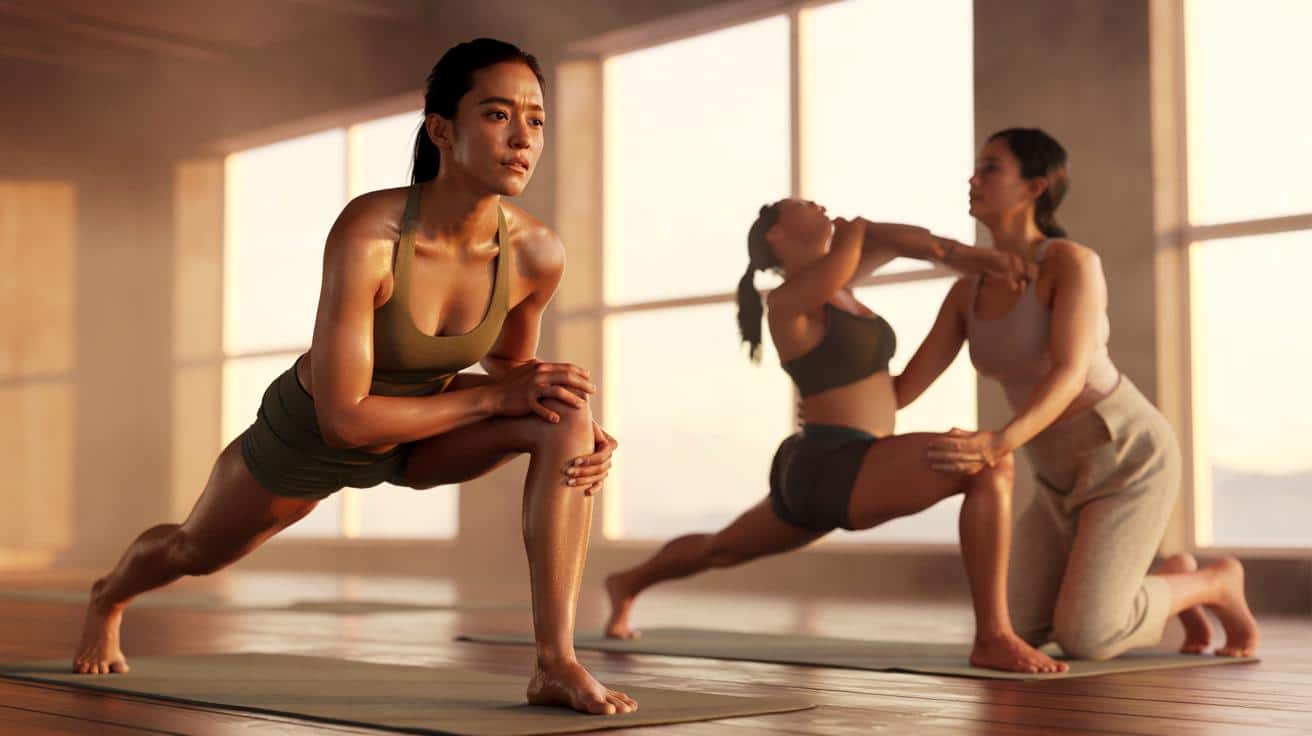
“Flexibility without control is like driving a sports car with loose steering,” says Sara Lee, a London-based yoga teacher and mobility coach, who adds, “Yes, you can go further and faster. But can you stop on demand? Can you change direction? That’s what keeps joints safe.” Lee’s wording has echoed across studios as several yoga teachers and movement specialists caution that long passive holds are not automatically better for long-term flexibility or joint health.
The pedagogical shift is plain in how teachers now coach classes: some teachers are starting to speak more bluntly to their students about it and many now recommend a sweet spot: around 20–40 seconds in most active stretches, sometimes up to a minute if the intensity is low and the breath is calm. That timing guidance is specifically tied to “active stretches,” and instructors say the upper limit only applies when effort is low and breath remains steady.
Practical safety cues are front and center in classes practicing this updated approach. Teachers list sharp or “zappy” sensations inside a joint rather than in the muscle, numbness, tingling, or a limb “falling asleep,” breath that feels trapped in the chest, or jaw and neck gripping, pain that gets worse the longer you stay, not softer or more diffuse, and lingering soreness around joints for days after class as red flags that a hold has gone too far. Instructors use breath and face cues routinely; “If you can’t breathe smoothly, most teachers will quietly say, that’s your body voting ‘no’ on the duration or the depth of the pose,” one common classroom cue reads.
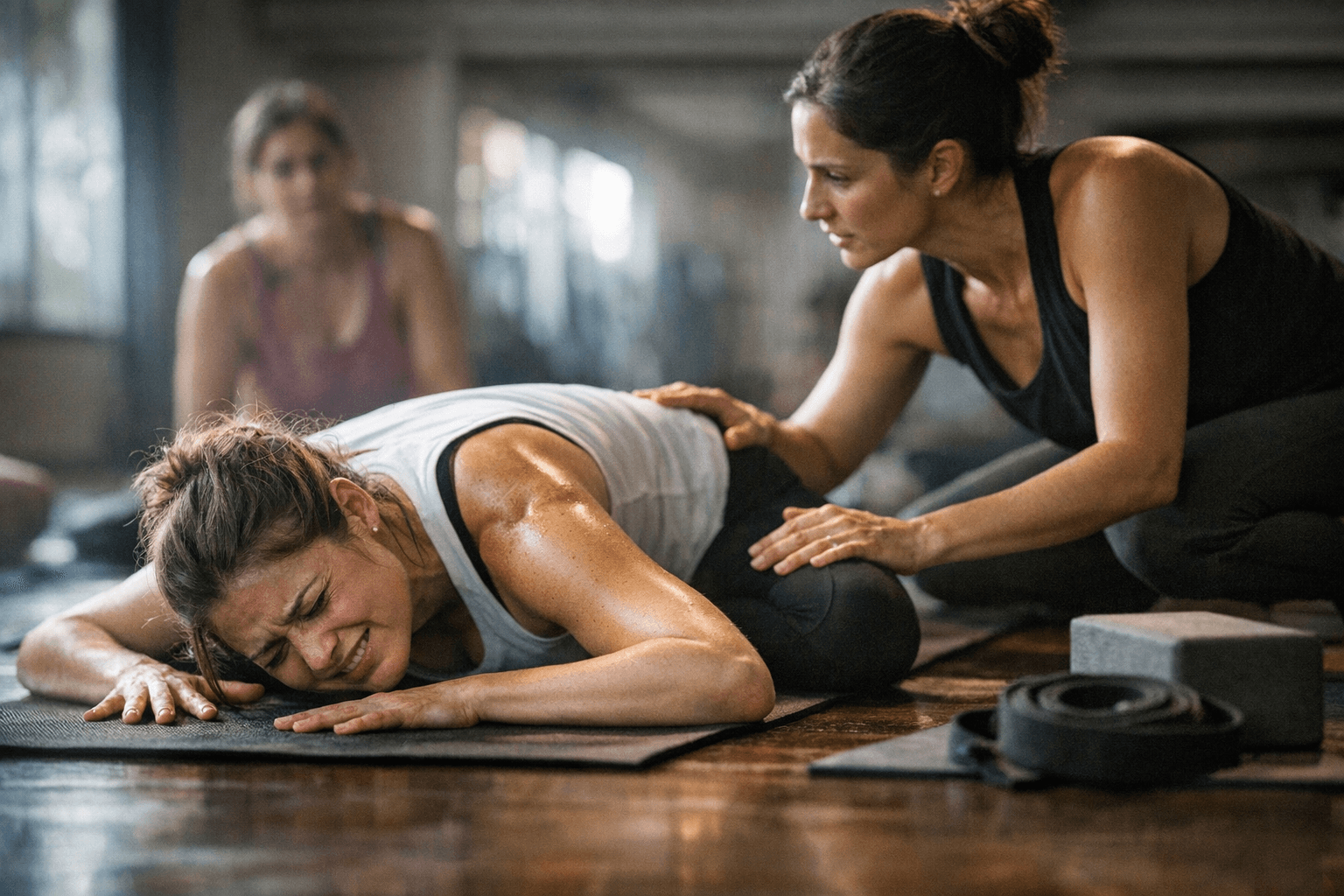
The trend rejects “stopwatch bragging rights” in favor of careful sensation and movement control. “Experienced instructors don’t talk about suffering through the longest hold. They talk about staying just long enough for the body to receive information, then backing off before things get messy,” practitioners explain when describing class structure and cueing. That language accompanies a corrective to a common student belief: “Many students walk into class believing that the longer they lock into a stretch, the more flexible they’ll become.”
Teachers frame the issue as physiological, not moral. “The body doesn’t quite work that neatly. Muscles have protective reflexes, and joints have limits that don’t care about your willpower. When those are ignored, trouble starts to brew,” Lee and other instructors warn, urging students to prioritize control, directional change, and steady breath over chasing longer passive positions. The message for studios is clear: build mobility with motor control and safety cues, not stopwatch-driven endurance in passive holds.
Know something we missed? Have a correction or additional information?
Submit a Tip