Yum Brands nears Pizza Hut sale in major portfolio shift
Yum Brands is in exclusive talks to sell Pizza Hut, a move that would test whether legacy pizza still fits inside a portfolio led by faster-growing Taco Bell and KFC.

Yum Brands is moving toward a sale of Pizza Hut, a step that would split one of its original banners from a portfolio now led by faster-growing Taco Bell and KFC. The talks point to a larger question inside the restaurant industry: when a brand stops producing the kind of sales growth investors want, does it still belong inside a big corporate family.
Yum formally launched a strategic review of Pizza Hut on Nov. 4, 2025, saying it wanted to maximize shareholder value and help the chain reach its full potential. The company said the process had no fixed deadline and retained Goldman Sachs and Barclays as advisers. Chris Turner, who became chief executive in October 2025, has framed the review as a way to improve outcomes for Pizza Hut franchisees, consumers and employees. Exclusive talks with LongRange Capital, after earlier interest from Sycamore Partners, suggest the review is now moving into a more concrete phase.

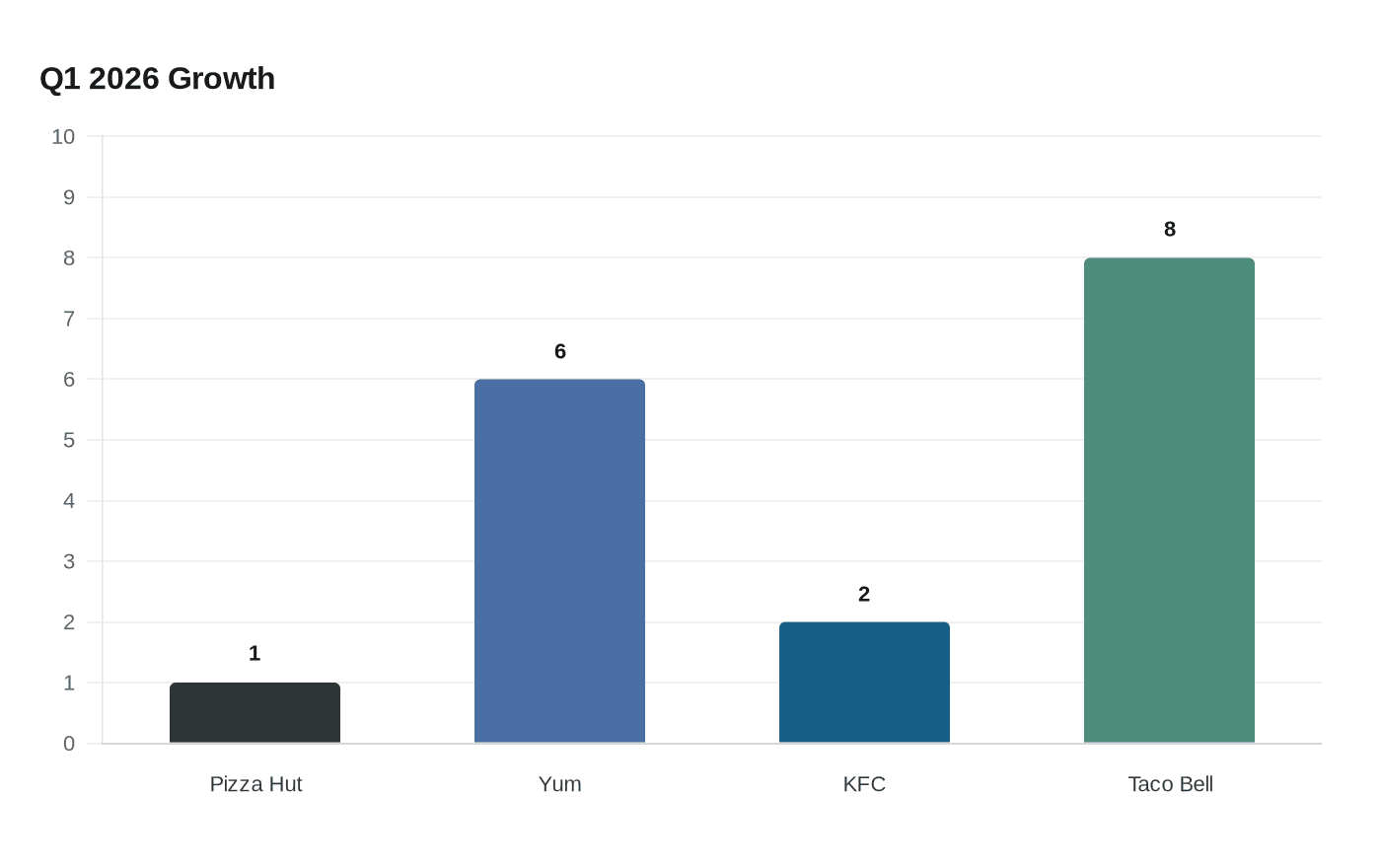
The numbers help explain why Yum is weighing a separation. In its first-quarter 2026 results, Pizza Hut’s division reported flat system sales, flat same-store sales and 1% unit growth. Over the same period, Yum said worldwide system sales rose 6% excluding foreign currency translation, digital system sales approached $11 billion and the company reached a record digital mix of 63%. KFC posted 2% same-store sales growth and Taco Bell rose 8%, underscoring how much more momentum Yum’s other core brands have.
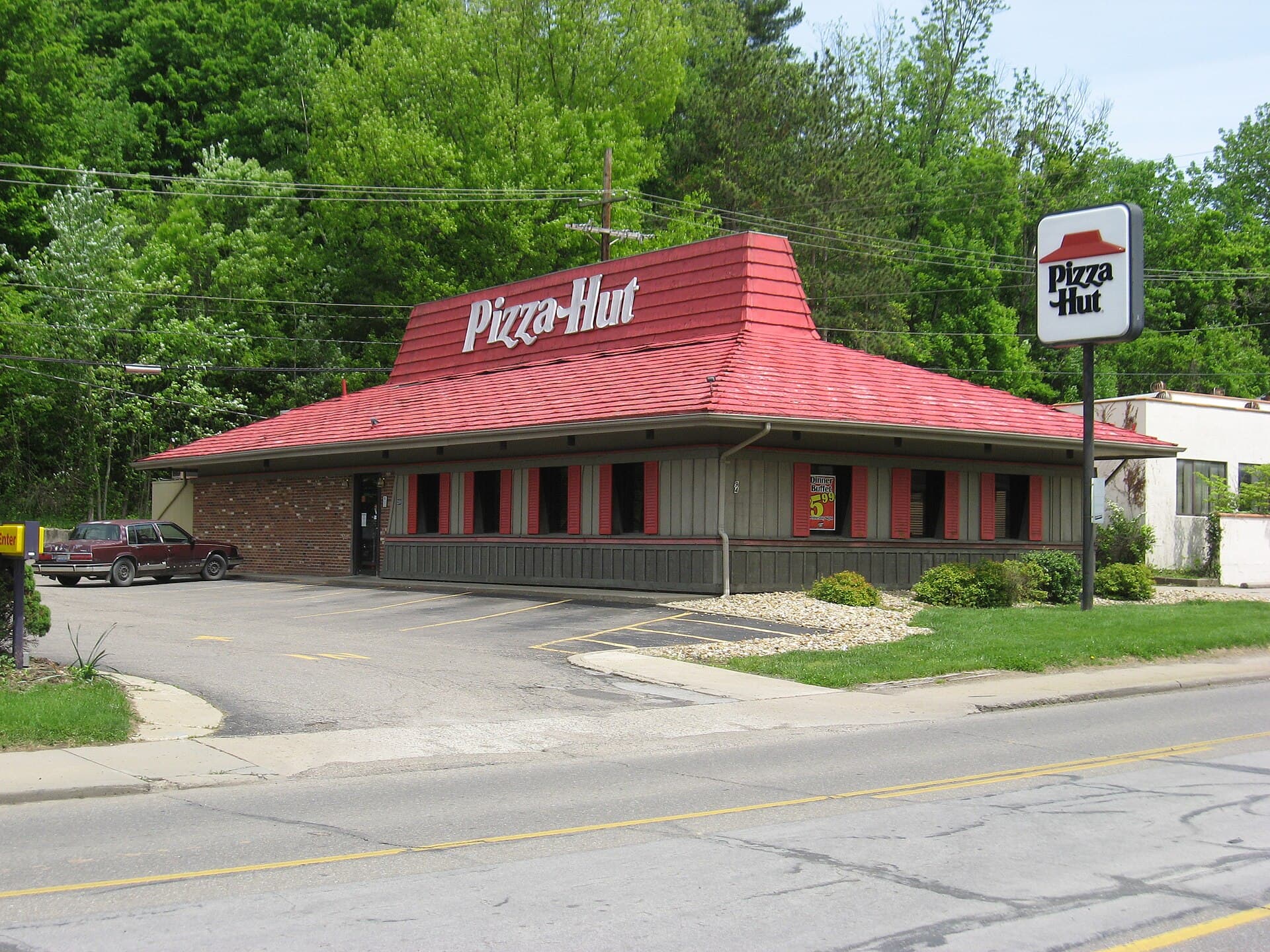
That gap matters because the economics of restaurant groups increasingly reward scale, consistency and franchise-heavy models that can generate fees without large amounts of company capital tied up in stores. Pizza Hut, founded in 1958 in Wichita, Kansas, by Frank and Dan Carney with $600 borrowed from their mother, remains one of the industry’s best-known names. Yet its position has weakened in a crowded pizza market, where Domino’s overtook Pizza Hut in U.S. systemwide sales in 2017 and in domestic unit count by 2021. Pizza Hut says it still has more than 16,000 restaurants in more than 100 countries, but it no longer dominates the category the way it once did.
A sale would carry consequences beyond Yum’s balance sheet. Franchisees could face new ownership priorities and possible changes in store strategy, while workers and suppliers would have to adjust if a new parent pursues a more aggressive turnaround. Pizza Hut is also preparing to close about 250 U.S. locations in the first half of 2026, after shutting 375 domestic units in fiscal 2025, according to reporting in April. If Yum completes a deal, it would echo its 2016 separation of Yum China and signal that the company is willing to redraw its portfolio when a legacy brand no longer matches the economics of its growth engines.
This article was produced by Prism’s automated news system from verified source data, official records, and press releases, then run through automated quality and moderation checks before publishing. The system is built and supervised by the people who set the standards it runs under. Read our full AI policy.
Did this article answer your question?