Zelenskyy presses Putin for direct talks to end Ukraine war
Zelenskyy is urging a face-to-face meeting with Putin, but May’s Istanbul precedent showed how easily high-stakes talks can become political theater.

Volodymyr Zelenskyy is pressing Vladimir Putin for direct talks to end the Russia-Ukraine war, but the latest push lands under the shadow of a precedent that exposed how much symbolism can outpace substance. In May 2025, Putin proposed direct Russia-Ukraine talks in Istanbul for May 15, then stayed away, and the Kremlin said he had no plans to travel. Russia sent a lower-level delegation led by aide Vladimir Medinsky instead.
That meeting became the first direct Russia-Ukraine peace talks in more than three years, but it also showed the limits of a negotiated opening when the top decision-makers are missing. Zelenskyy traveled to Turkey and publicly challenged Putin to meet face-to-face, then later said he would not attend the Istanbul session after Moscow declined to send senior officials with real authority. The talks produced one concrete result, a large prisoner swap, but no breakthrough toward ending the war.
The stakes remain enormous. Russia’s full-scale invasion began in February 2022, and Moscow now controls around one-fifth of Ukraine’s territory. That military reality gives any direct Putin-Zelenskyy meeting a strategic weight far beyond the optics of a handshake. It also explains why Ukraine insists that any meaningful negotiation has to start with a ceasefire, not a staged encounter designed to look like diplomacy.
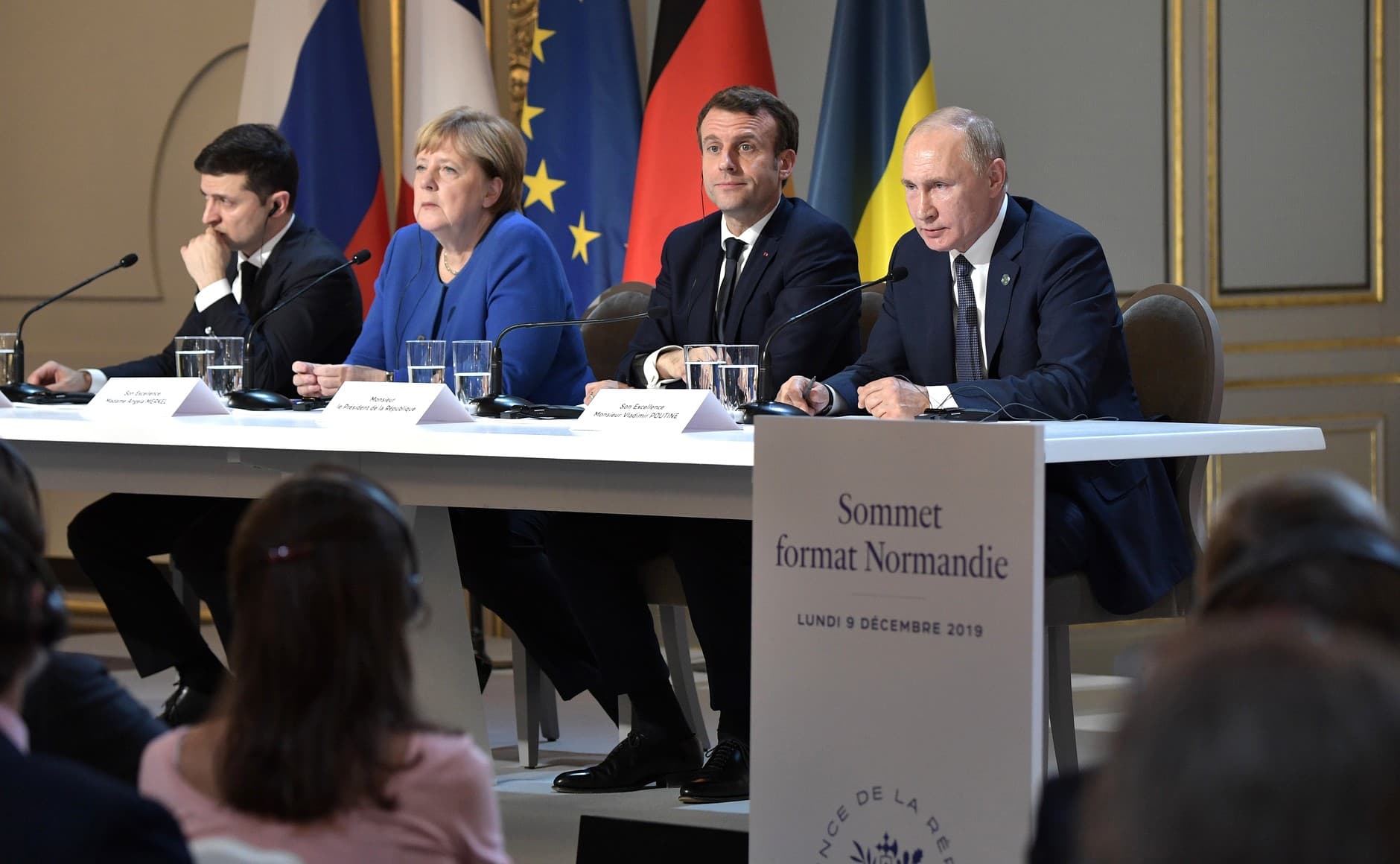
European leaders and the Trump administration were pushing in May 2025 for a 30-day ceasefire and warning of possible new sanctions if Moscow did not agree. That pressure framed the Istanbul talks as a credibility test for the Kremlin: whether Putin was prepared to enter serious negotiations or simply wanted to shift blame while preserving battlefield leverage. Western officials and analysts said Russia’s decision to send a junior delegation sharply lowered hopes that the talks could produce a settlement.
For Zelenskyy, demanding direct talks keeps Ukraine’s conditions in focus and places the burden on Putin to show he is serious. For Putin, proposing talks while staying absent preserves the appearance of openness without forcing a commitment to a ceasefire or meaningful concessions. The gap between those positions is why the next meeting, if it ever happens, will matter only if it includes top-level participants, a stop to the fighting, and enough authority to turn talk into terms.
This article was produced by Prism’s automated news system from verified source data, official records, and press releases, then run through automated quality and moderation checks before publishing. The system is built and supervised by the people who set the standards it runs under. Read our full AI policy.
Know something we missed? Have a correction or additional information?
Submit a Tip
